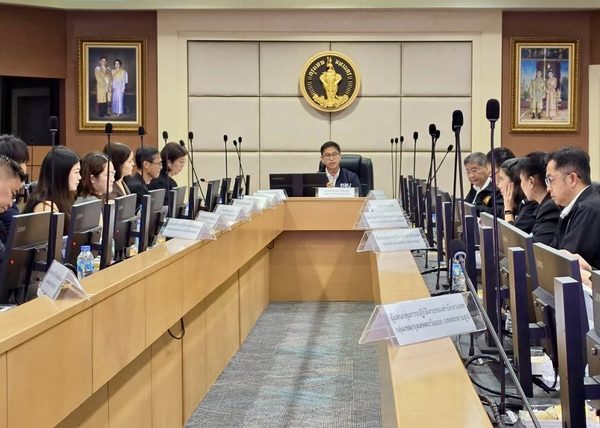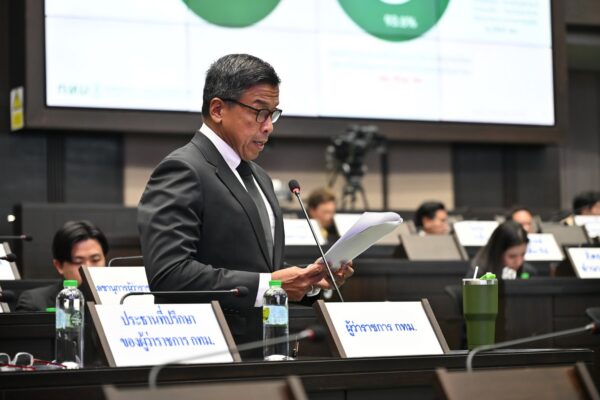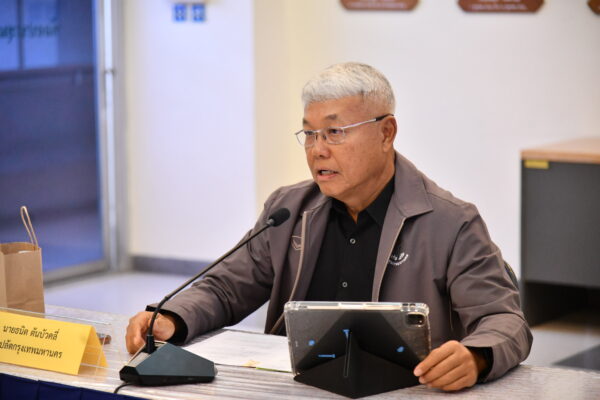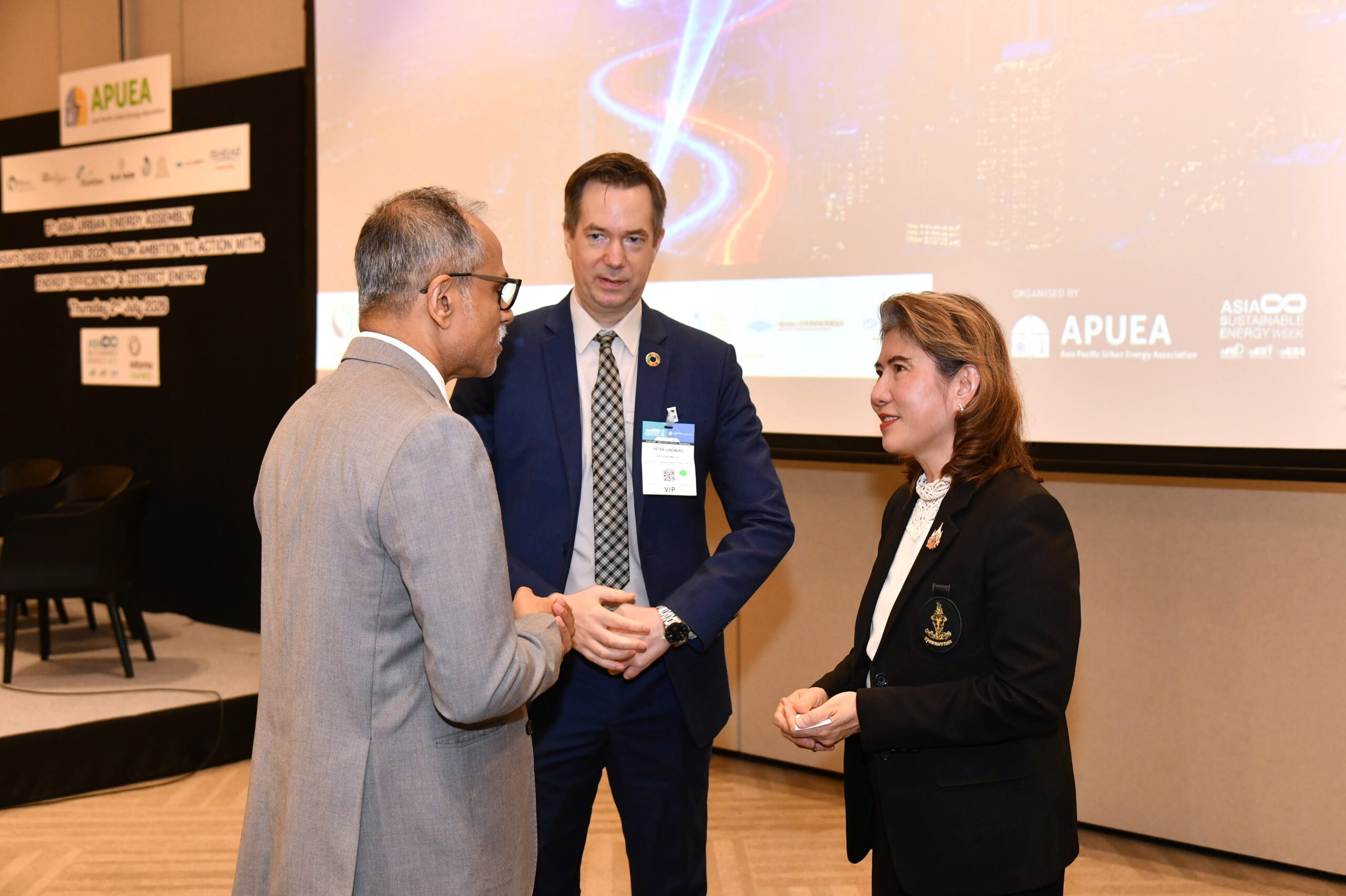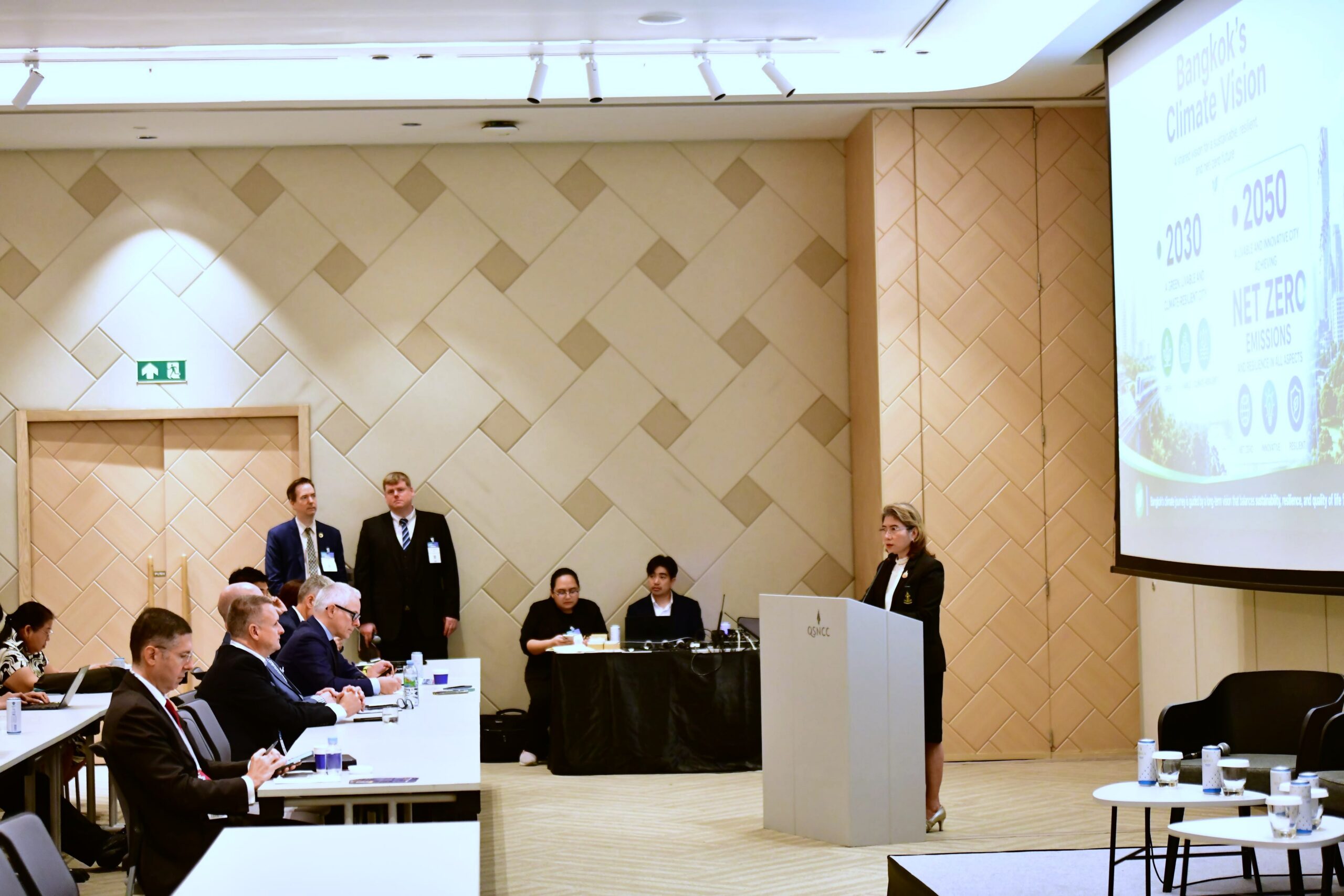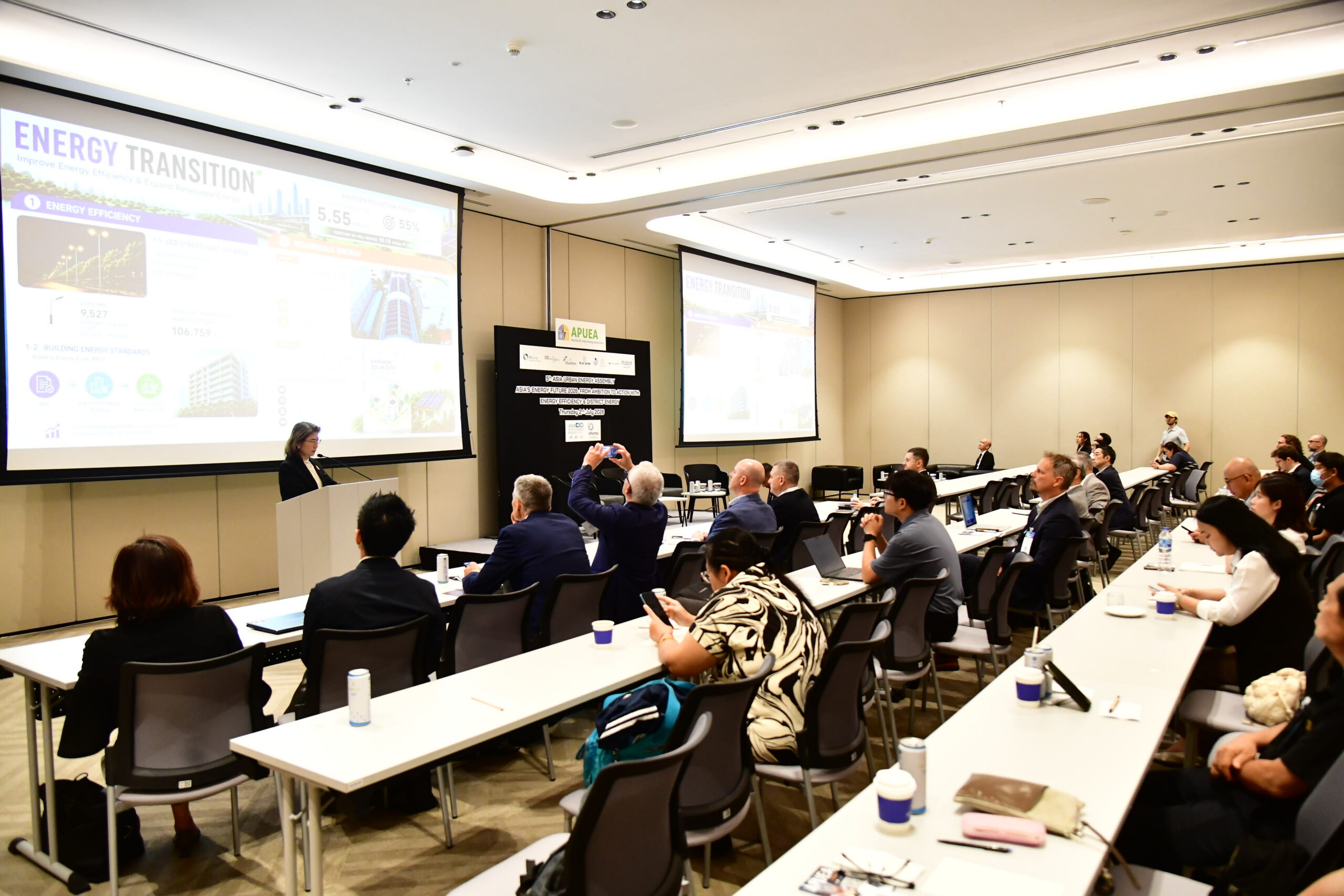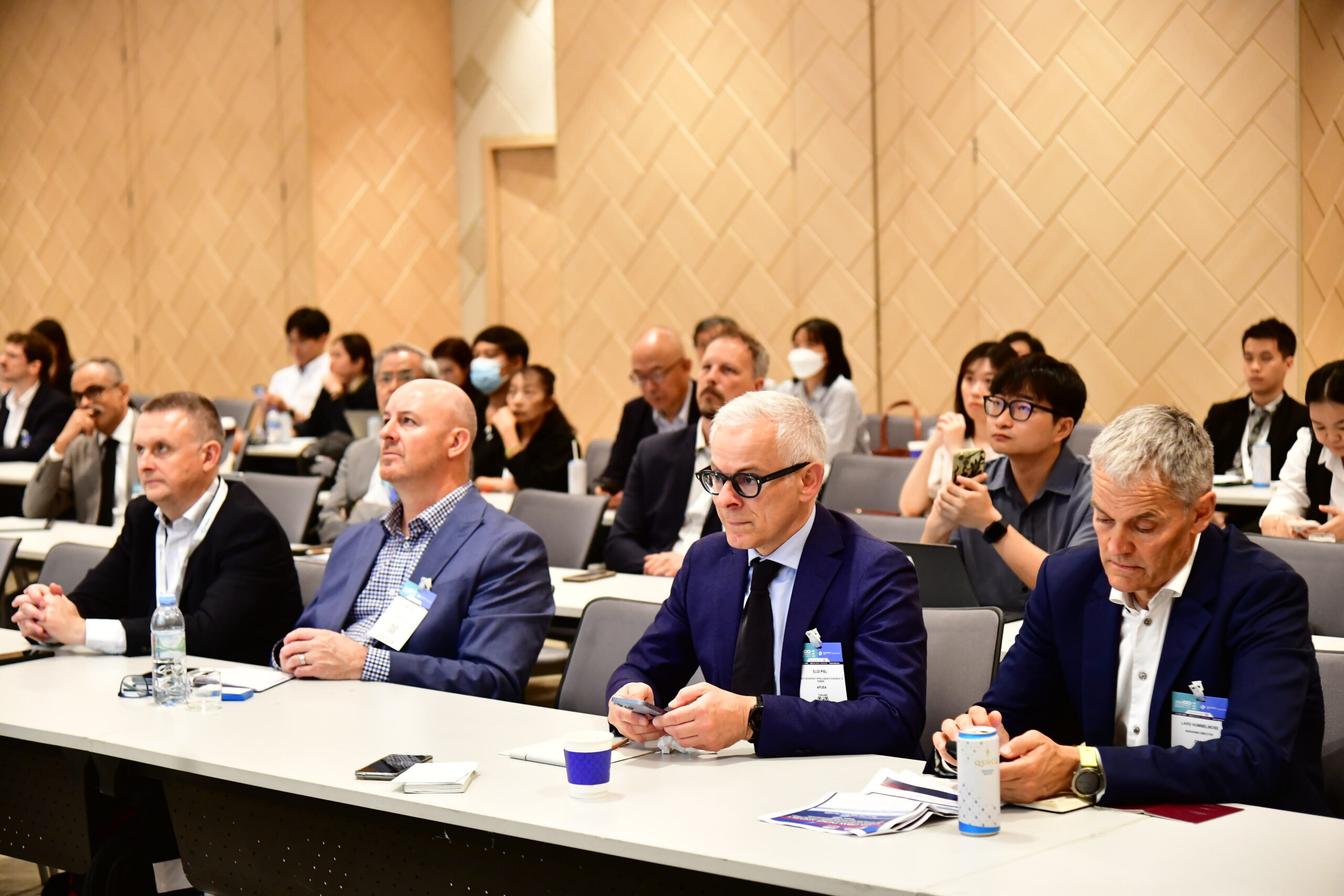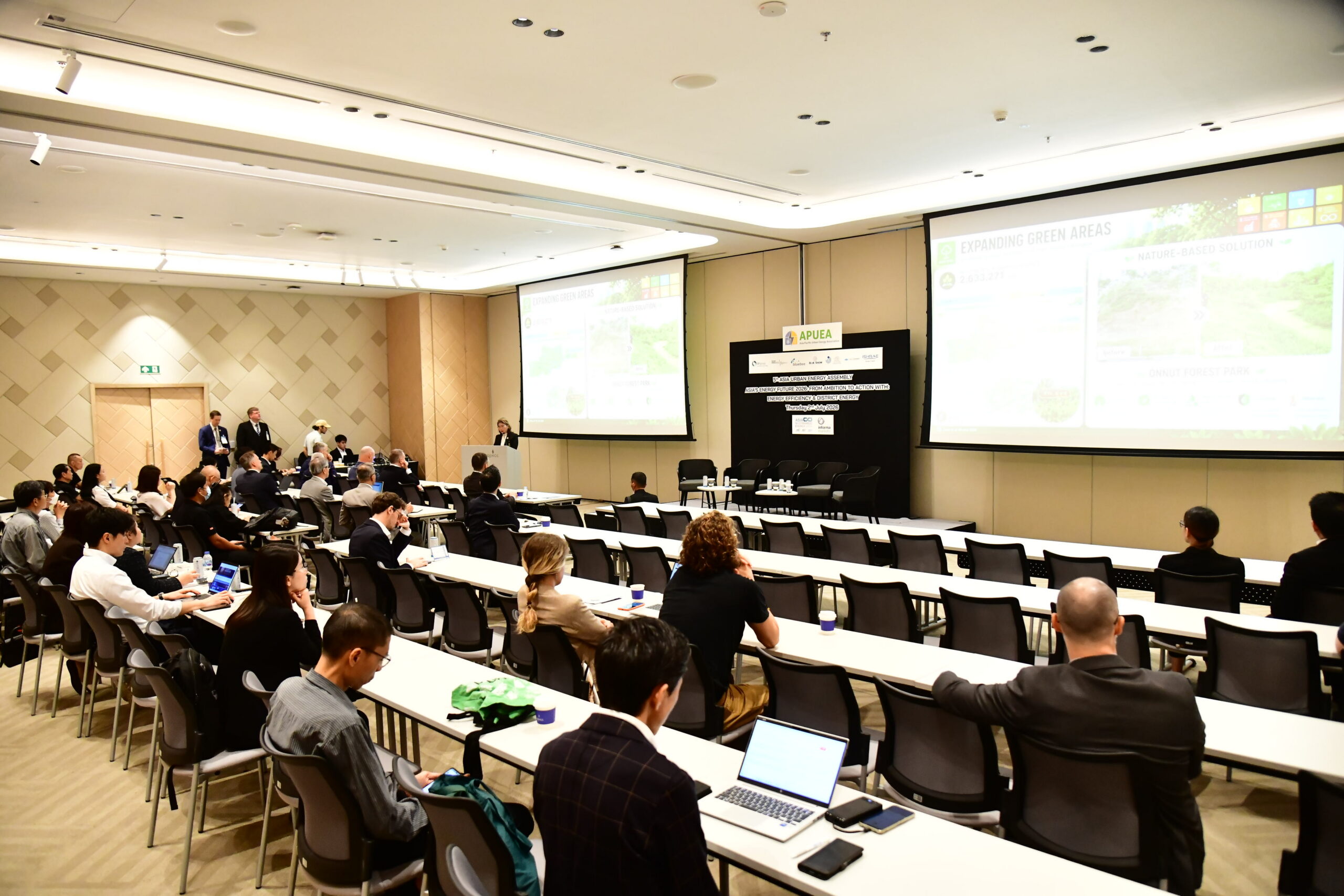
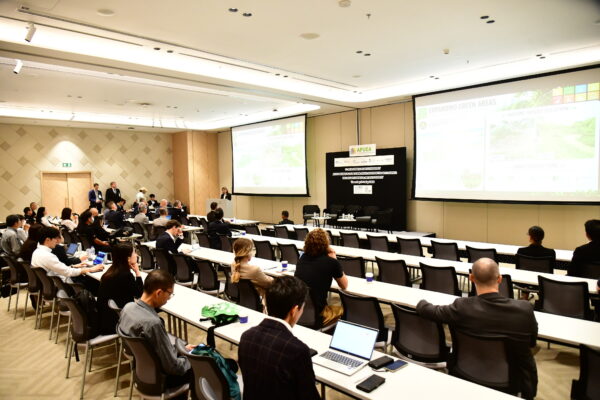
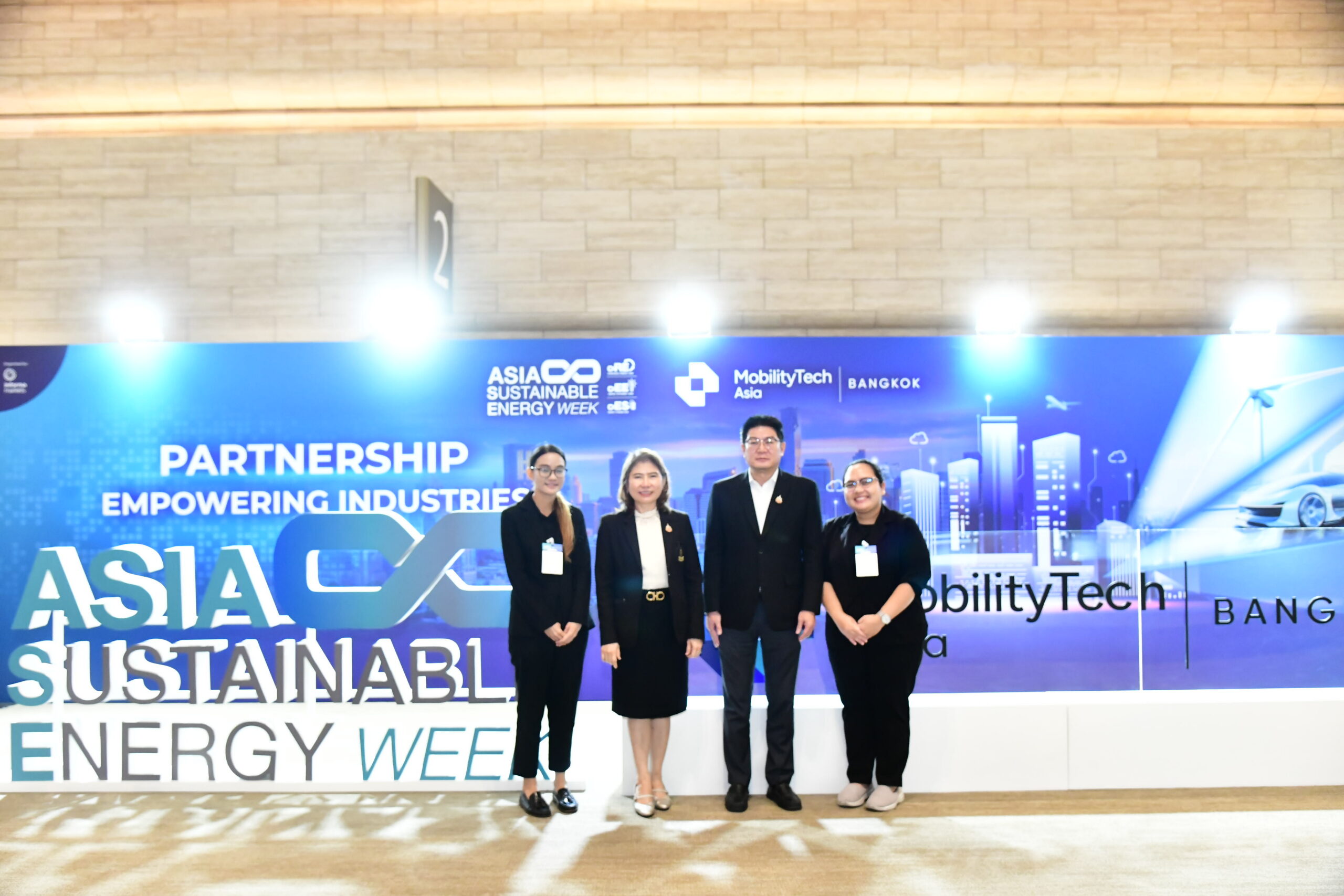
At the prestigious “5th Asia Urban Energy Assembly”, Dr. Lertluck Leelaruangsang, Deputy Permanent Secretary for the Bangkok Metropolitan Administration (BMA), delivered a powerful keynote address titled “Bangkok’s Green City Journey to Net-Zero Greenhouse Gas Emissions”. Held on July 2, 2026, at the Queen Sirikit National Convention Center, the regional conference centered on the theme “Asia’s Energy Future 2026: From Ambition to Action with Energy Efficiency & District Energy”. Organized by the Asia Pacific Urban Energy Association (APUEA) alongside Asia Sustainable Energy Week, the platform convened policy leaders and experts across Asia to transform regional energy management. Dr. Lertluck’s address highlighted the BMA’s aggressive policy alignment to reshape Bangkok into a smart, eco-friendly capital across four pivotal sectors.
First, the BMA aims to slash greenhouse gas emissions by over 90% through localized energy efficiency initiatives, including replacing streetlights with LEDs, applying the Building Energy Code, installing solar rooftops on public infrastructure, and launching the Bangkok Solar City Guidebook for residents. Second, the transportation framework is pivoting to a low-carbon, citizen-centric model by enhancing sidewalks, expanding public bicycle networks, and deploying eco-friendly transit like the BMA Feeder electric shuttle buses across seven routes and electric taxi boats in Khlong Saen Saep. Third, the waste and wastewater management sector is heavily adopting Circular Economy principles. This includes promoting source-level waste separation through the digital “BKK Waste Pay” incentive system, utilizing organic waste for composting and biogas, and redirecting non-recyclable waste to waste-to-energy facilities rather than landfills. Finally, the BMA is expanding urban green spaces by transforming former landfills into forests and expanding pocket parks. A prime example is the Benchakitti Forest Park, which acts as an urban wetland that simultaneously manages floodwaters and boosts biodiversity. Ultimately, these interconnected urban strategies underscore why energy efficiency is vital to Asia’s energy transition, helping secure carbon reductions, lower electricity costs, and create resilient green-business jobs.