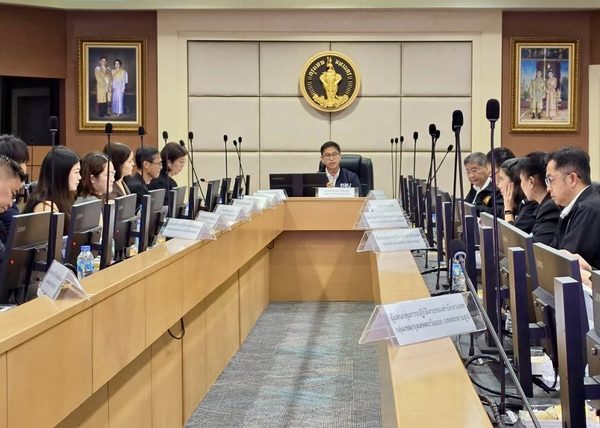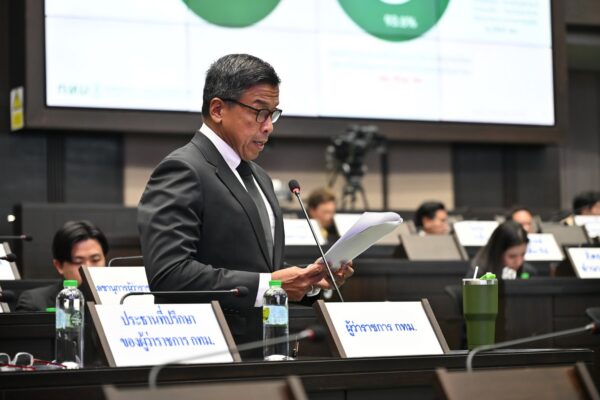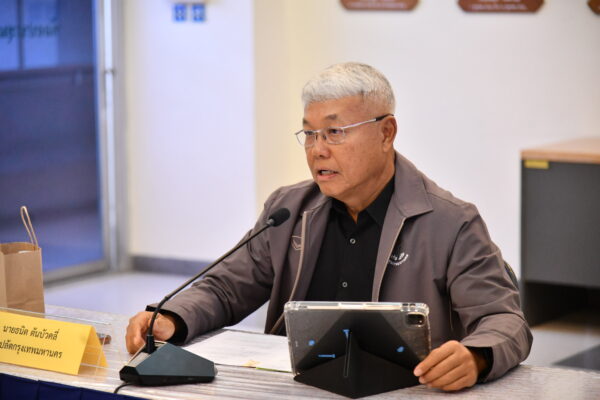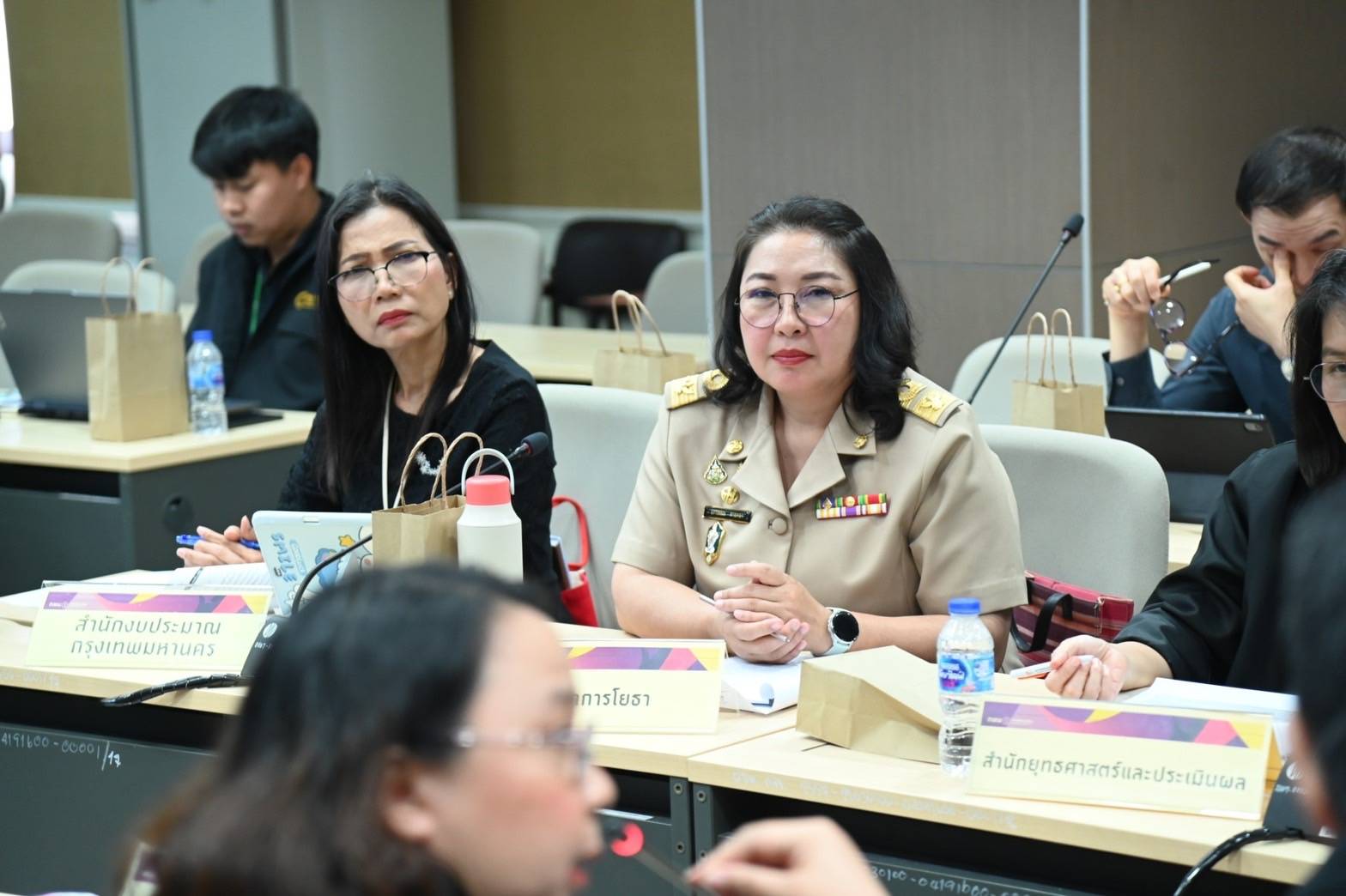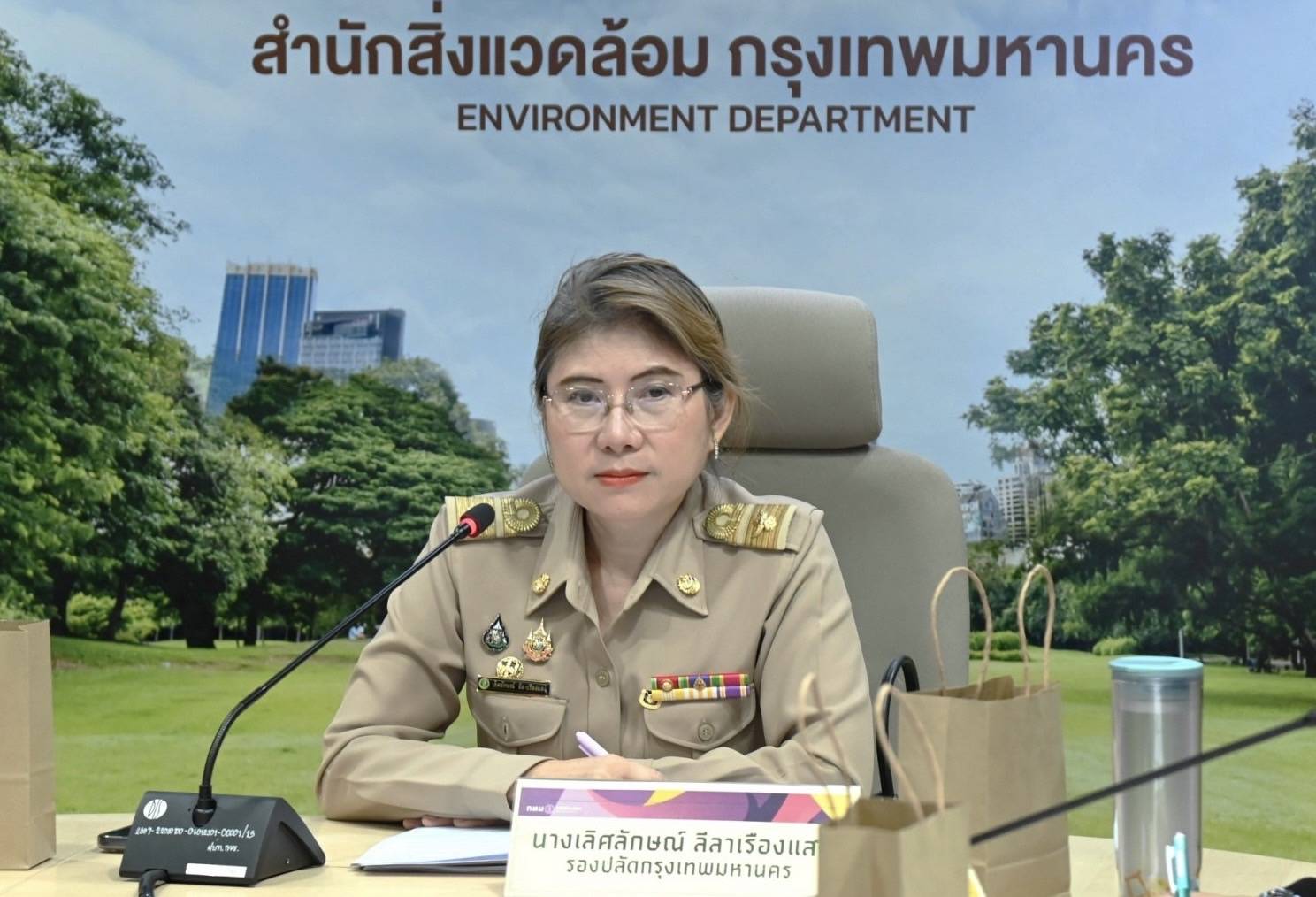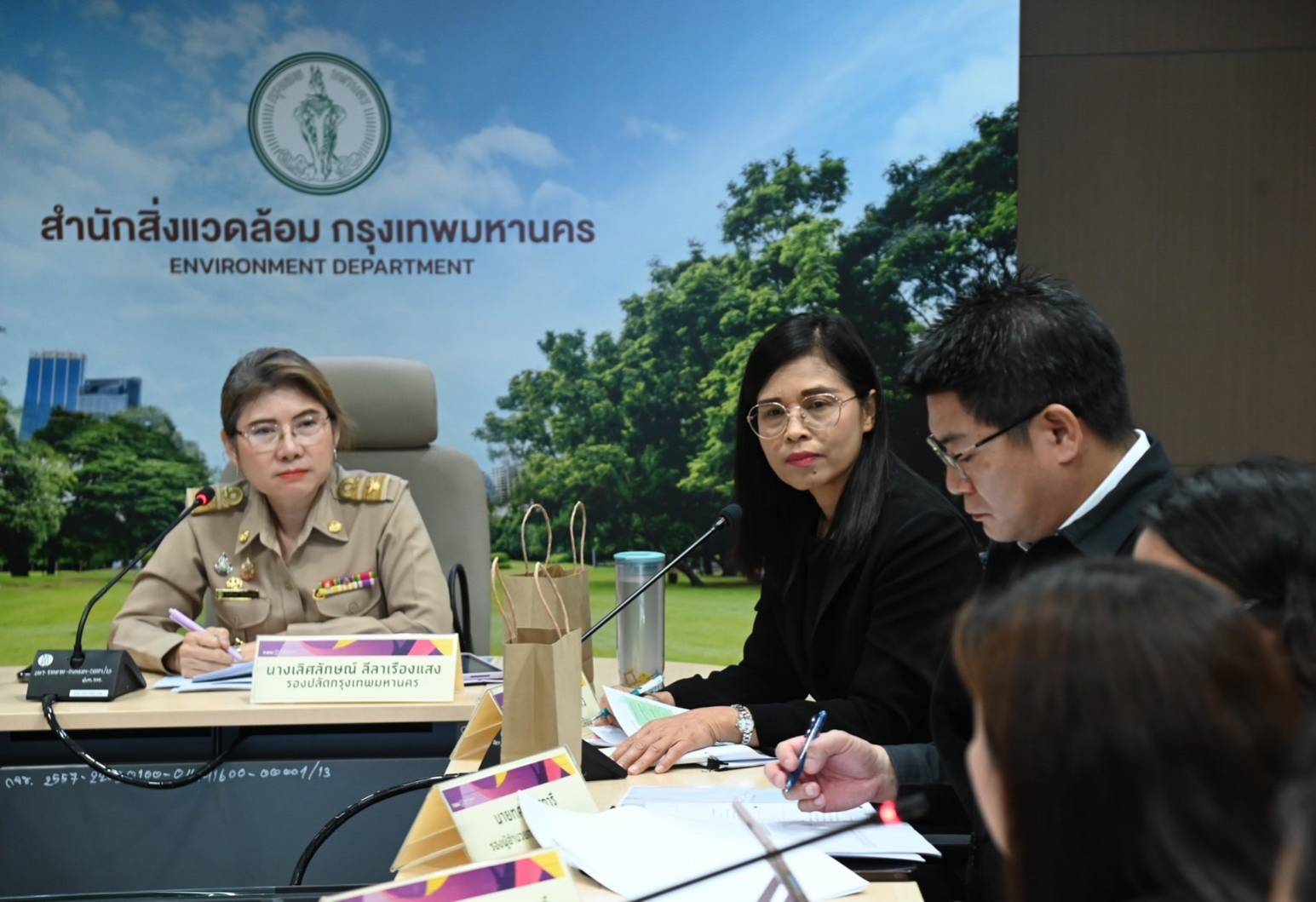
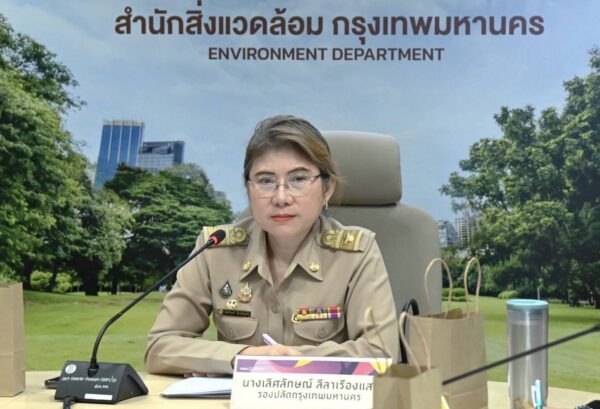
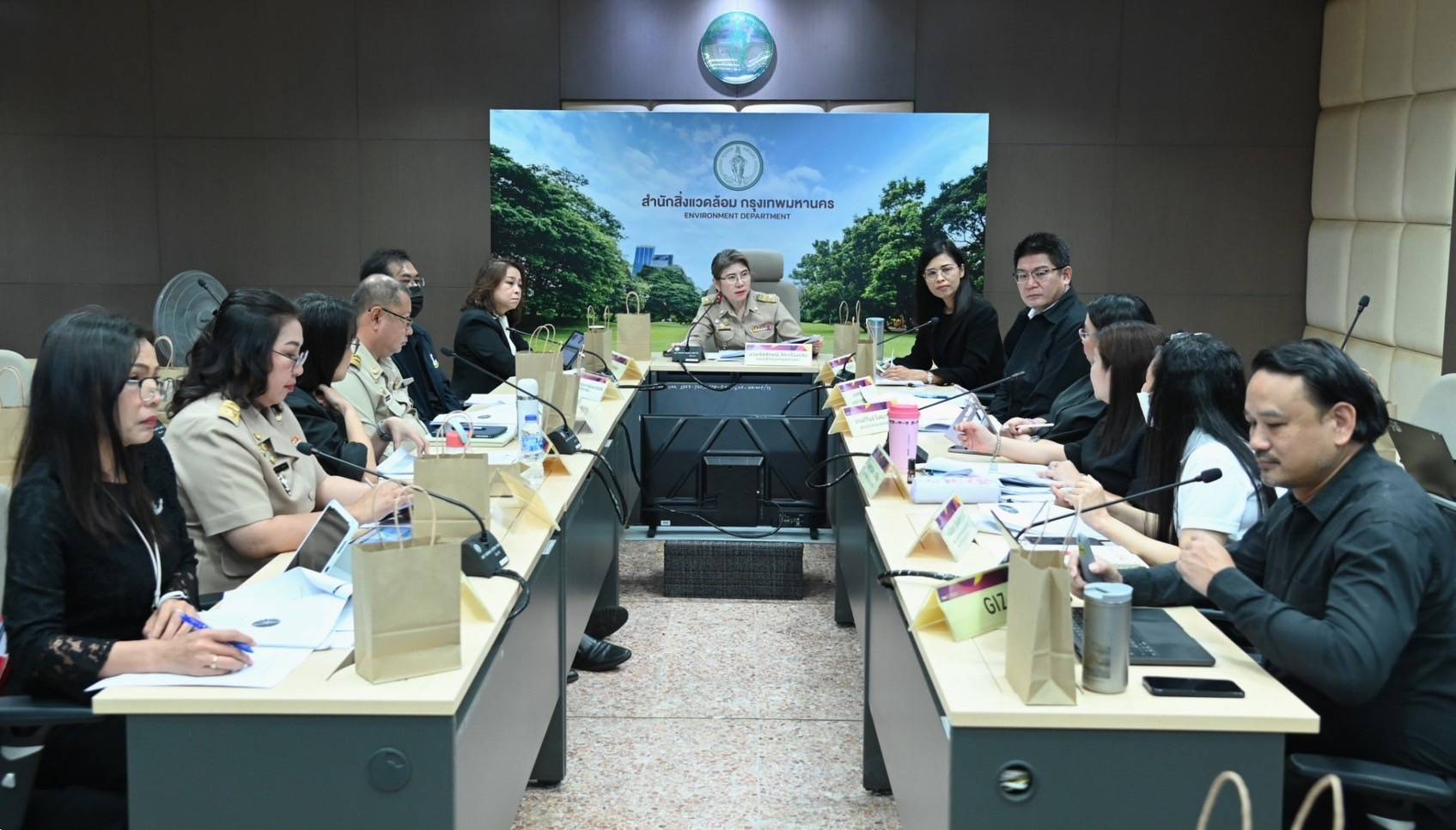
On June 15, 2026, Dr. Lertluck Leelaruangsang, Deputy Permanent Secretary for the Bangkok Metropolitan Administration (BMA), chaired the second working group meeting to review the readiness of the draft BMA Action Plan for the Transition from Internal Combustion Engine Vehicles to Electric Vehicles (EVs) 2026–2030. Held at the Environment Department in Din Daeng, the session evaluated a detailed data report compiled by the German Agency for International Cooperation (GIZ). This extensive analysis assessed current BMA fuel consumption patterns, operational safety parameters, charging infrastructure capacities, and long-term economic viability. By establishing systematic replacement strategies across all city departments, the five-year roadmap seeks to execute a seamless fleet transition to eco-friendly electric alternatives without disrupting vital public services.
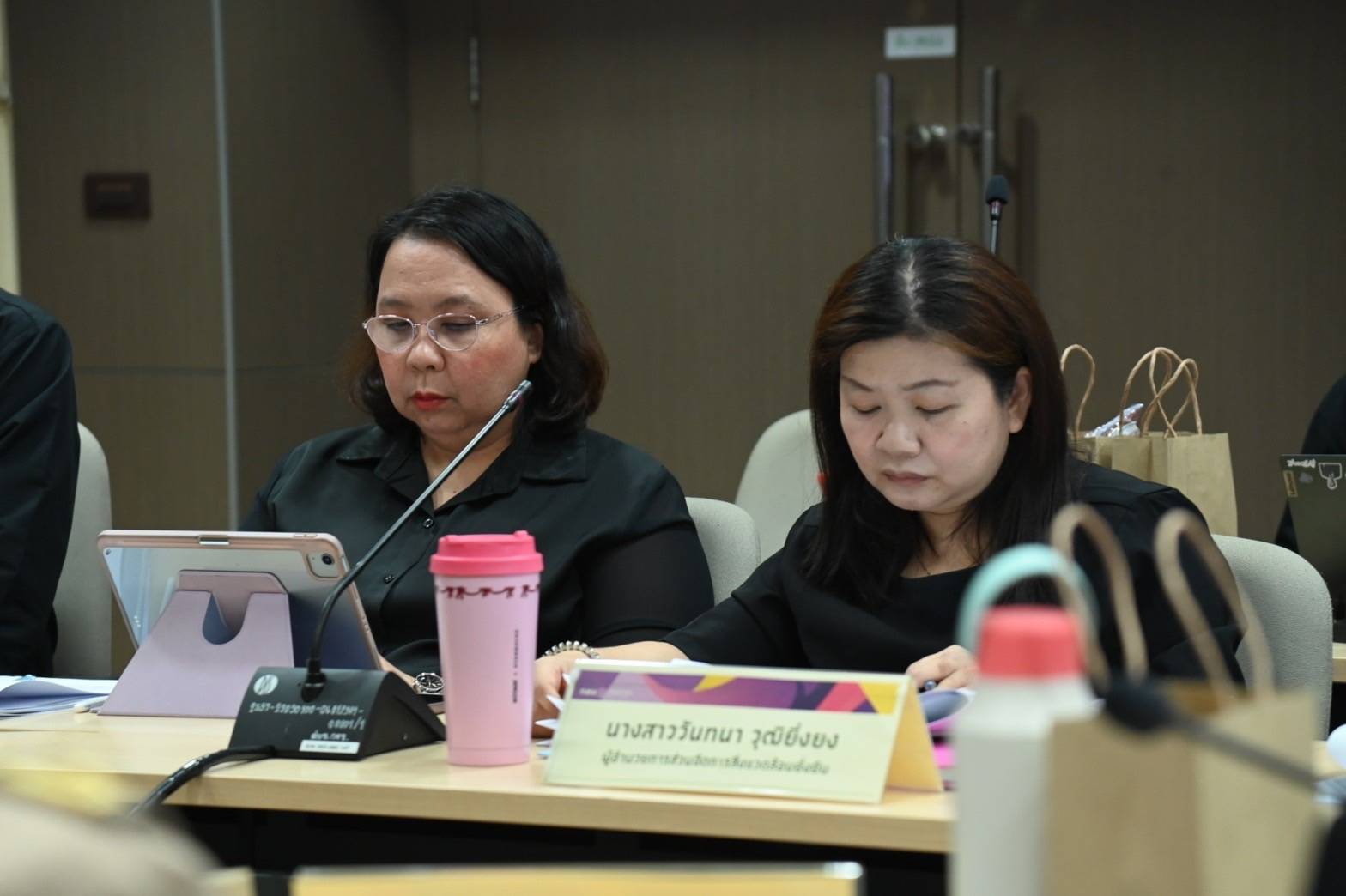
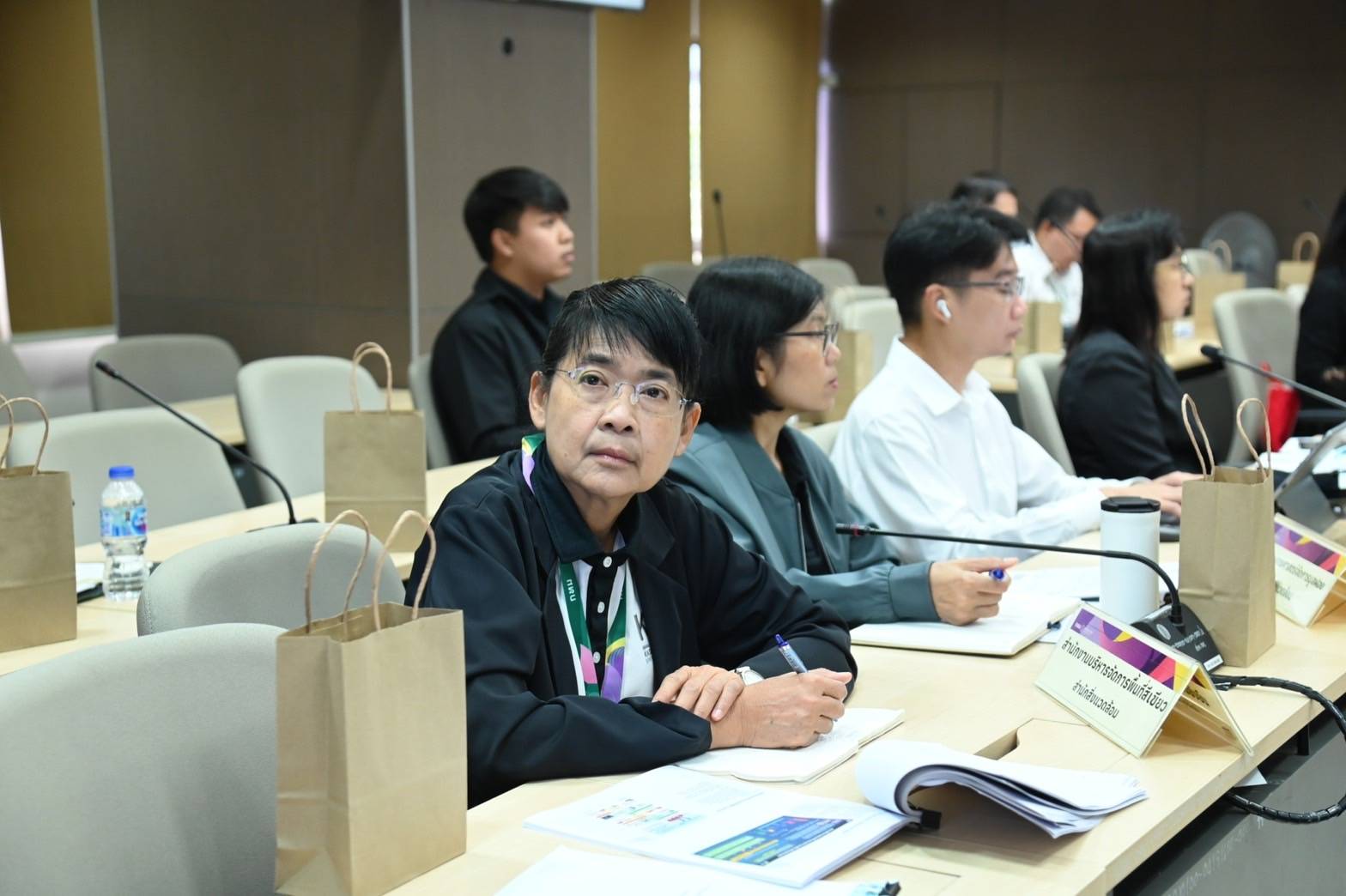
The draft action plan establishes clear operational frameworks, performance indicators, and financial budgets to systematically convert BMA government vehicles over the next five years. This proactive transition serves as a critical environmental intervention to mitigate hazardous PM2.5 air pollution and drastically reduce greenhouse gas emissions across the capital. Utilizing the data-driven insights provided by GIZ, the BMA can confidently direct infrastructure investments, install sufficient charging stations, and select optimal vehicle classes to achieve its long-term carbon reduction milestones. Key attendees driving this inter-agency collaboration included Ms. Woranuch Suaykakhao, Director-General of the Environment Department, and Mr. Thosapol Suparee, Deputy Director-General, alongside executive representatives from the BMA’s Digital, Budget, Finance, Public Works, Strategy and Evaluation, and Traffic and Transportation Departments. Through this international partnership, the BMA remains fully committed to transforming Bangkok into a highly sustainable, green city that safeguards public health and enhances urban well-being for all citizens.