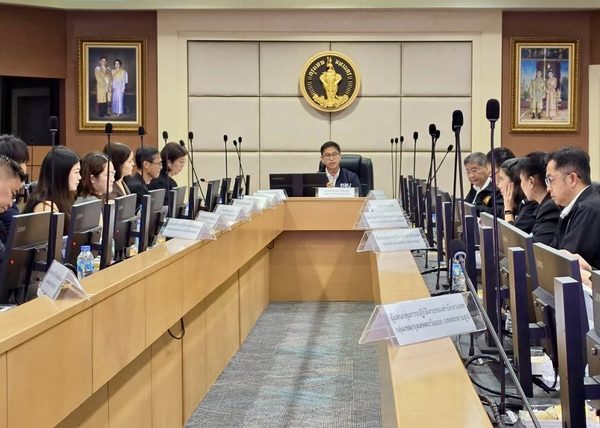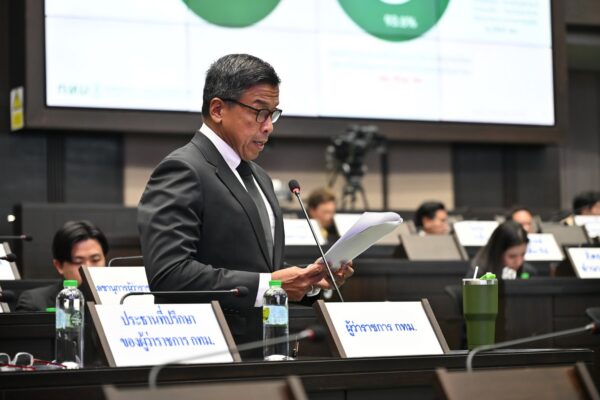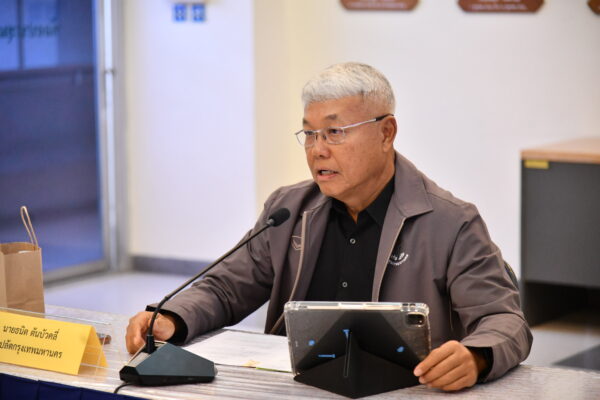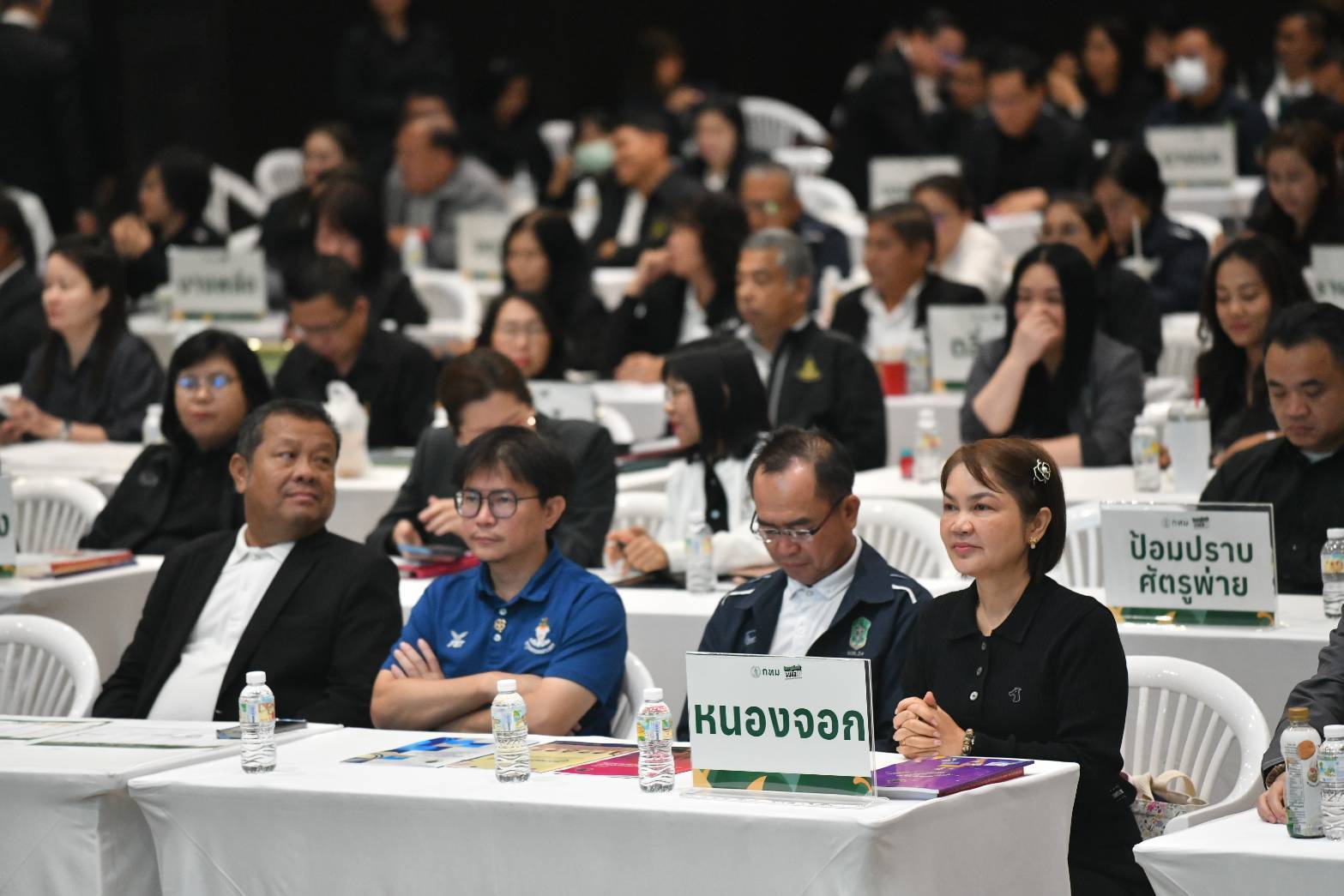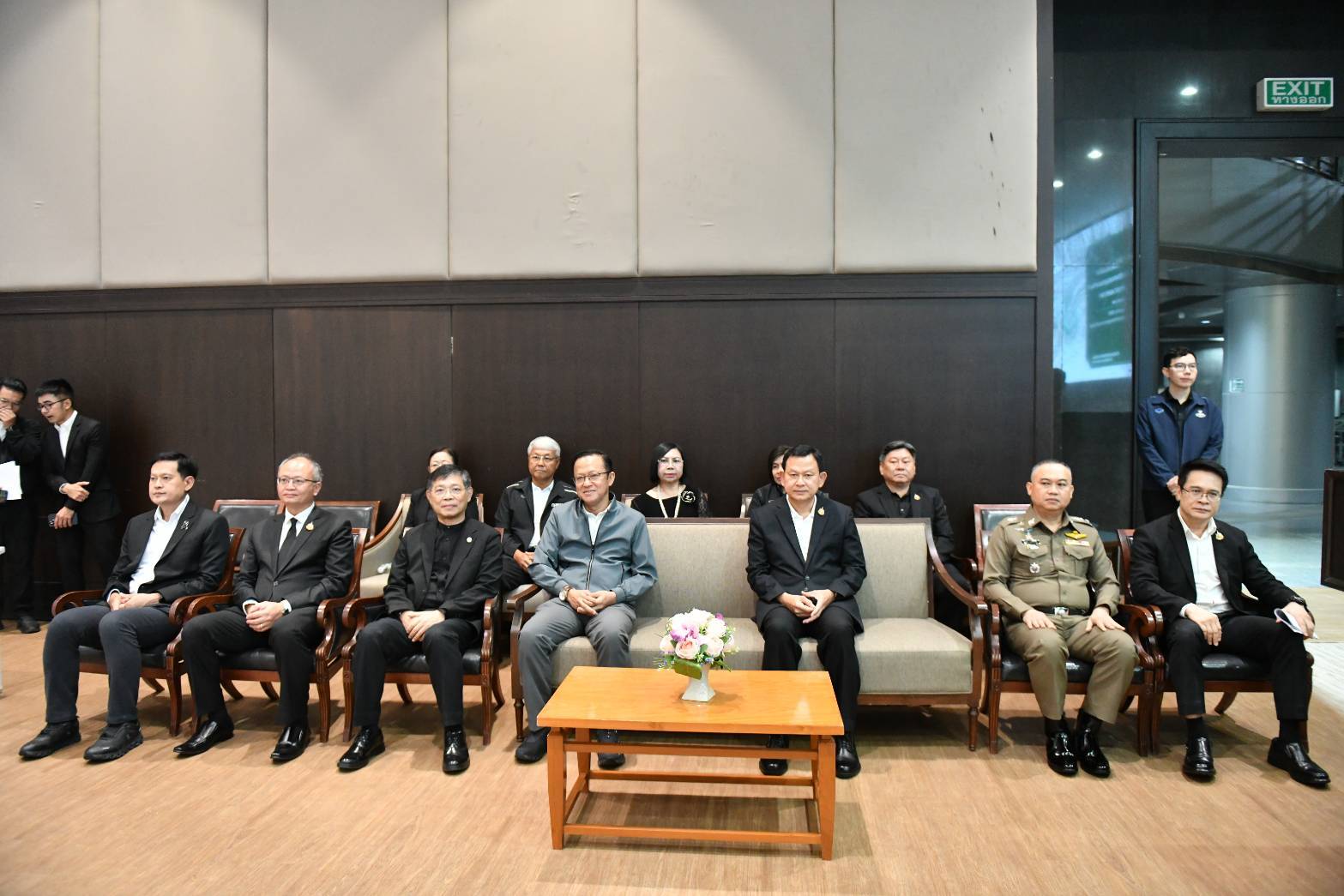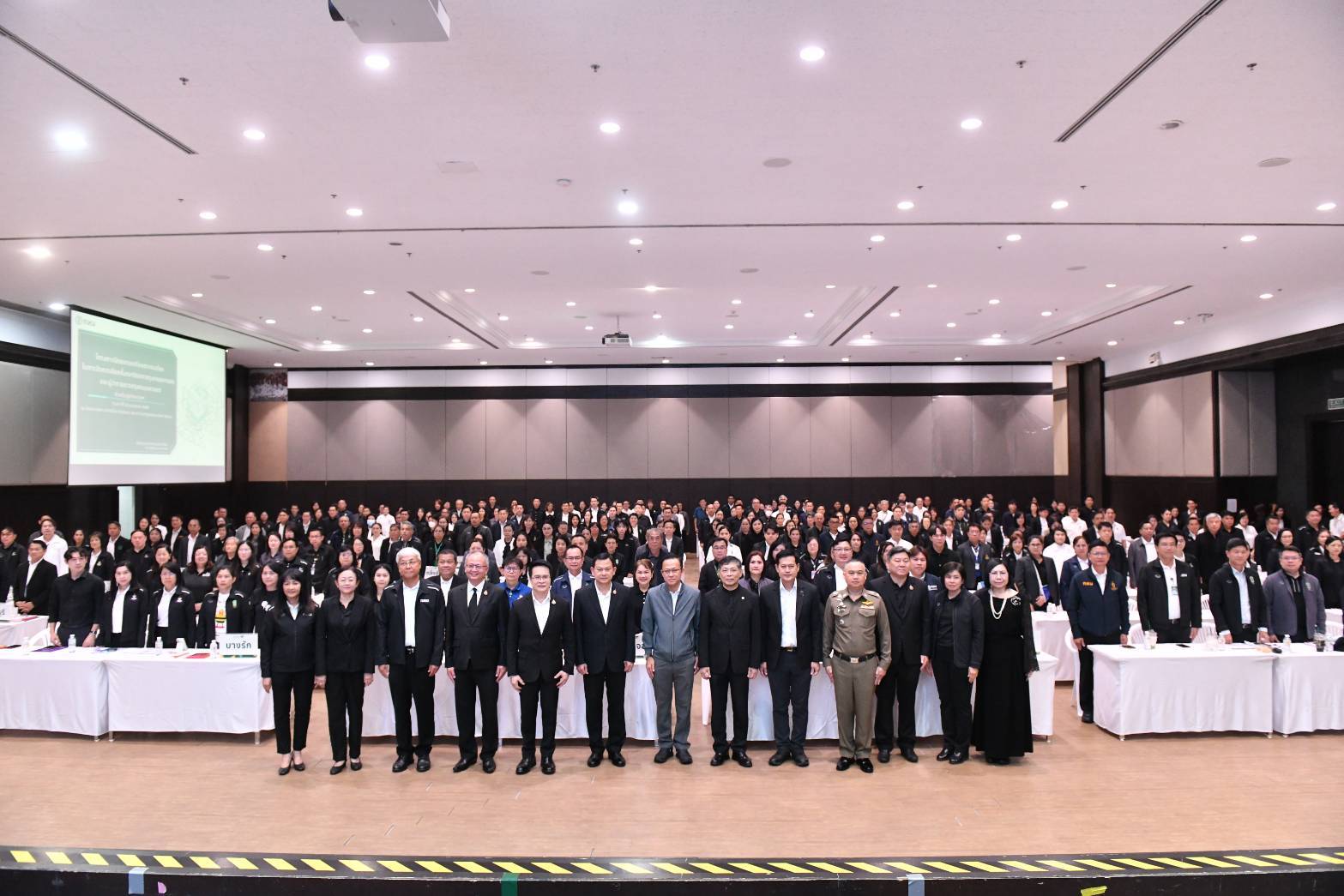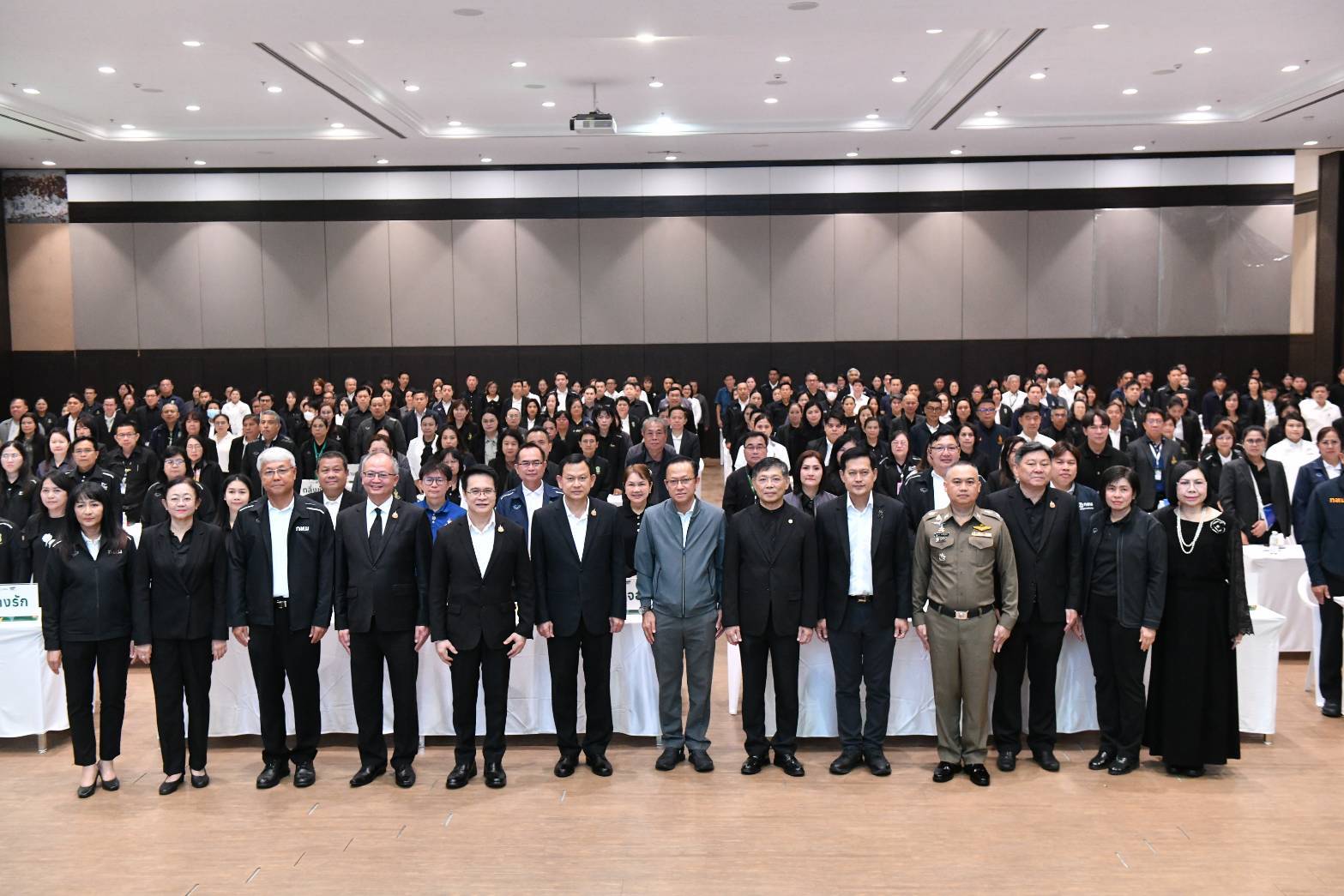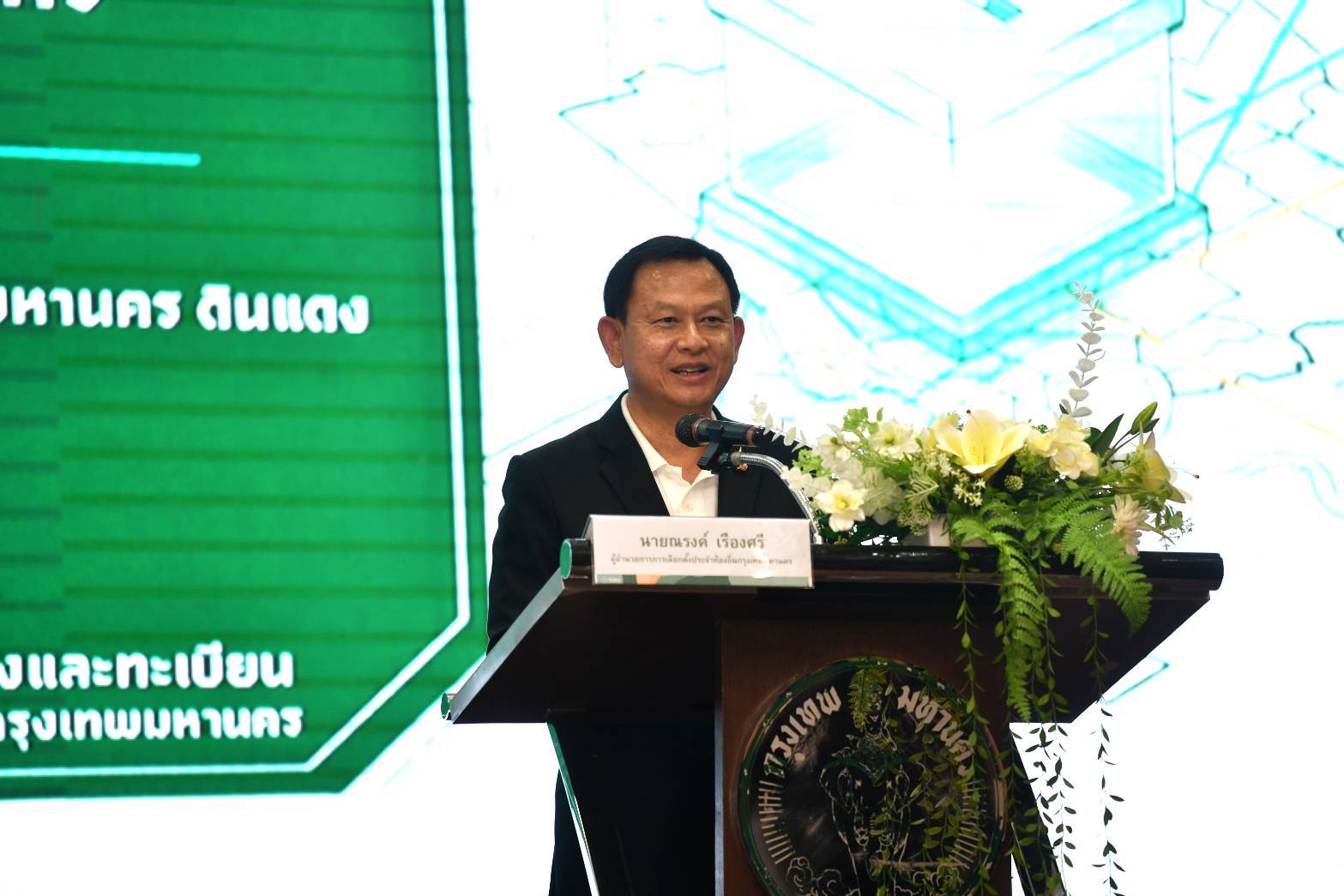
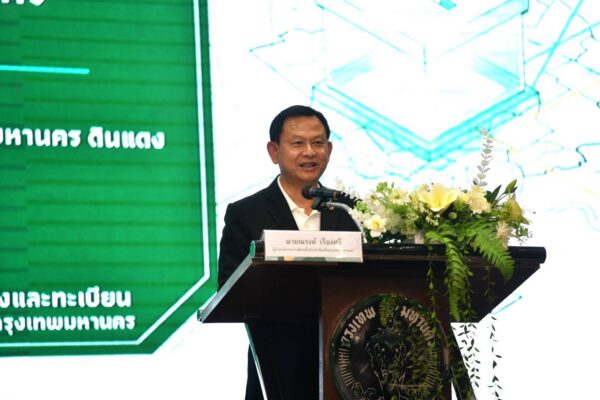
On May 23, 2026, Mr. Narong Ruengsri, Permanent Secretary for the Bangkok Metropolitan Administration (BMA), presided over the opening ceremony of a specialized training program designed to prepare capital personnel for the upcoming elections of the Governor of Bangkok and Members of the Bangkok Metropolitan Council. Held at Bangkok City Hall in Din Daeng, the initiative aims to equip local officials with a precise understanding of electoral procedures and statutory regulations. By standardizing operational steps across all administrative channels, the BMA intends to minimize mistakes, ensure complete legal compliance, and foster public confidence in the integrity of the capital’s democratic process.
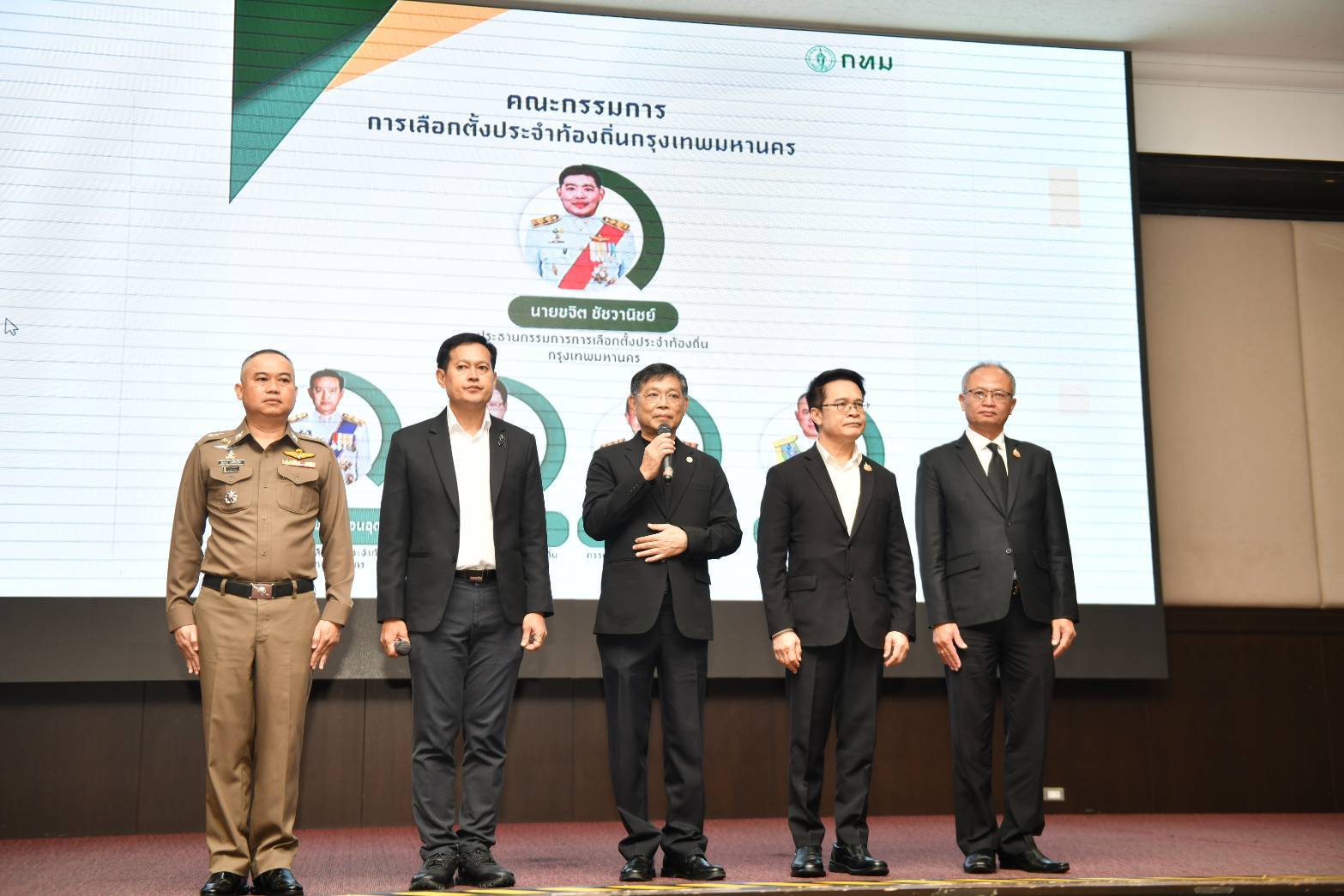
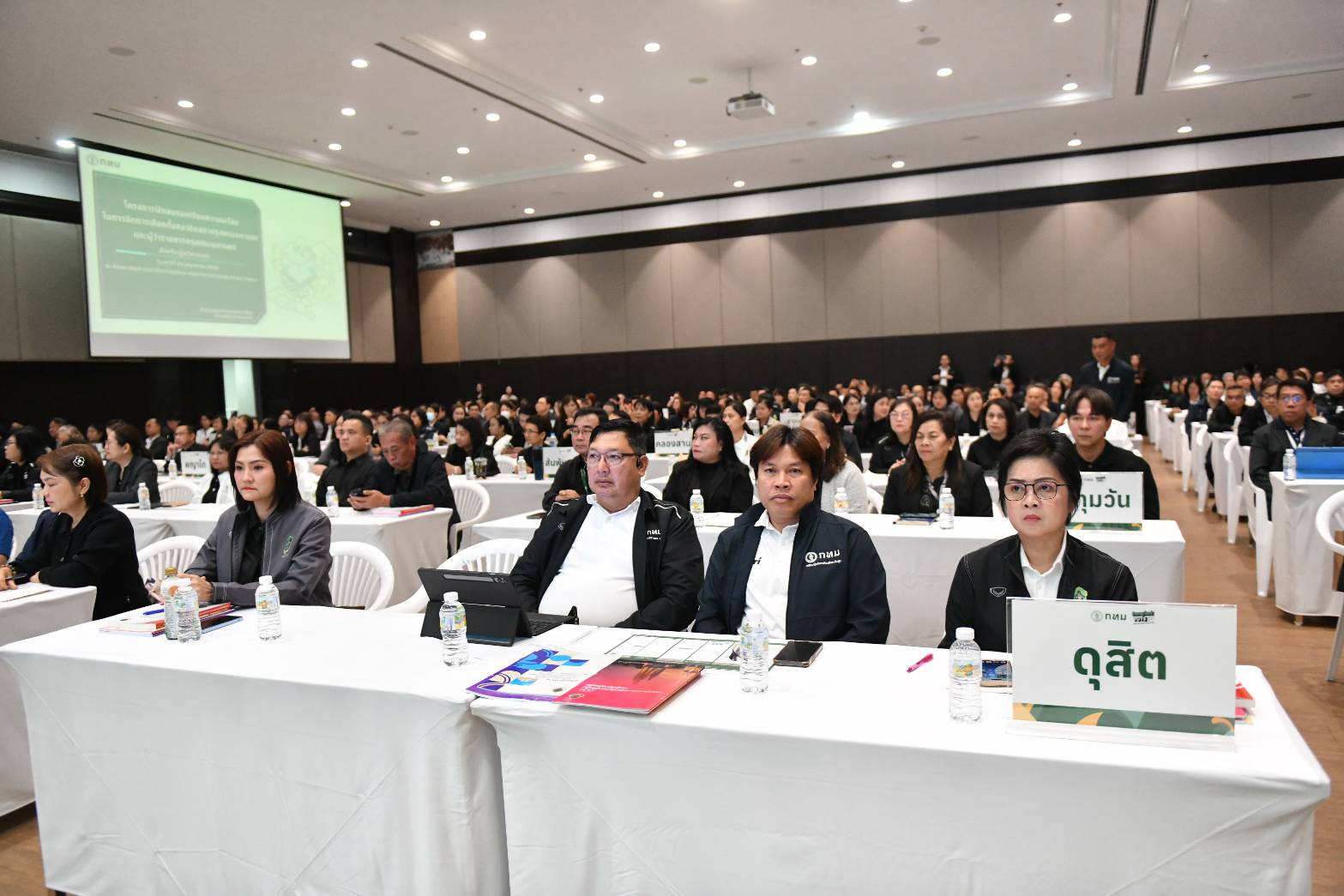
The comprehensive training layout was structured into two consecutive sessions to maximize organizational readiness. The first session on May 23 targeted 265 district executives, including district directors, assistant directors, and section chiefs. The following session on May 24 trained an additional 265 front-line operational officers from various district offices and the Administration and Registration Office. To establish a robust oversight framework, the event officially introduced the newly appointed Bangkok Metropolitan Local Election Commission. This body includes Chairman Khachit Chatchawanit, alongside commission members Thossaphon Phuean-Udom, Suphachai Chanpum, Apichai Thongprasom, and Police Major General Attaporn Wongsiripreeda.
Throughout the seminar, expert speakers delivered presentations focusing on modern election management databases, application protocols for candidates, and structural oversight guidelines. Permanent Secretary Narong emphasized that the local election is a vital democratic mechanism that allows citizens to actively shape city administration. Consequently, he stated that managing the entire process with honesty, transparency, and fairness is a critical task. This training provides BMA officials with the confidence and practical knowledge required to execute their duties flawlessly, ultimately safeguarding public trust during the upcoming voting period.