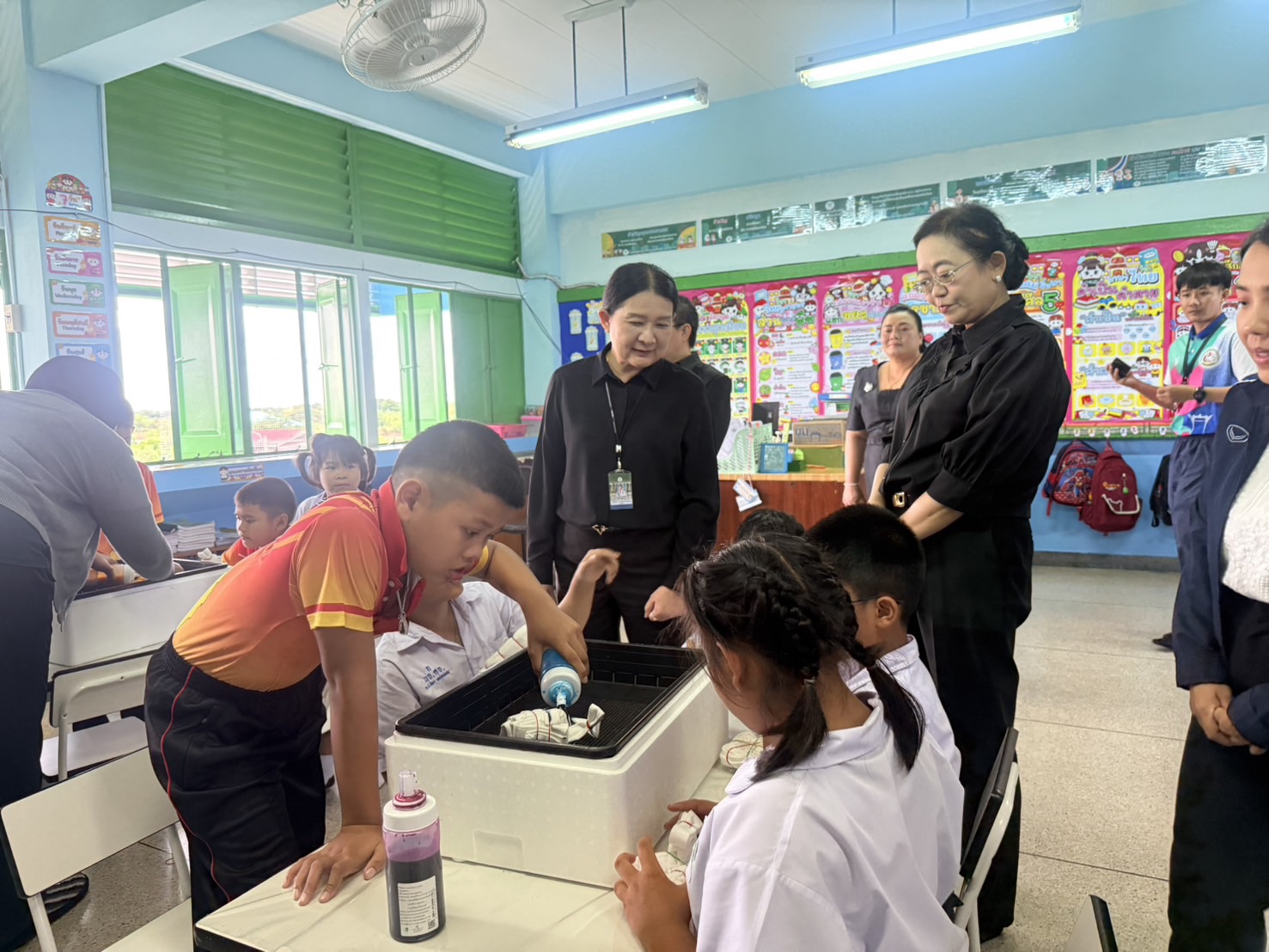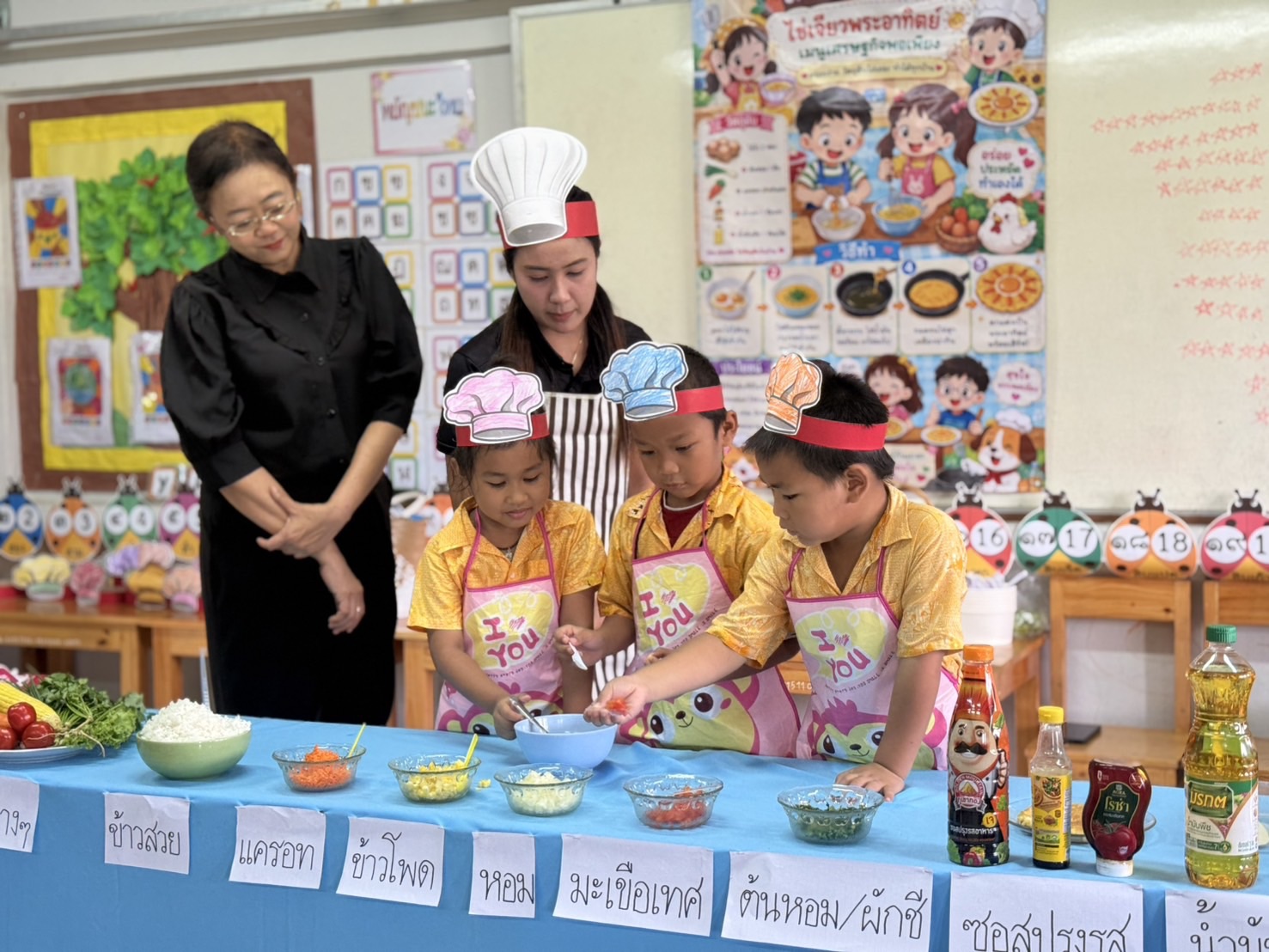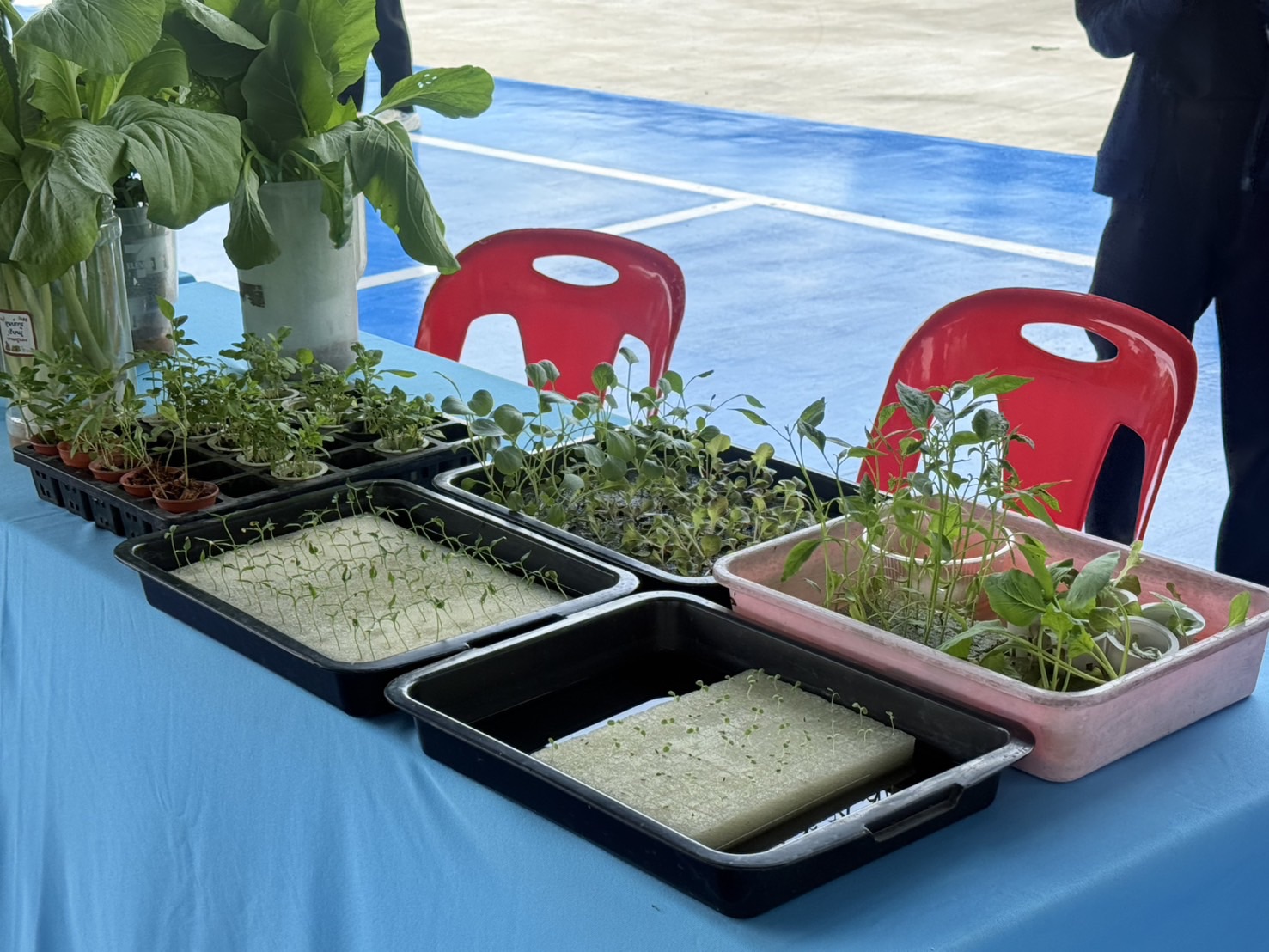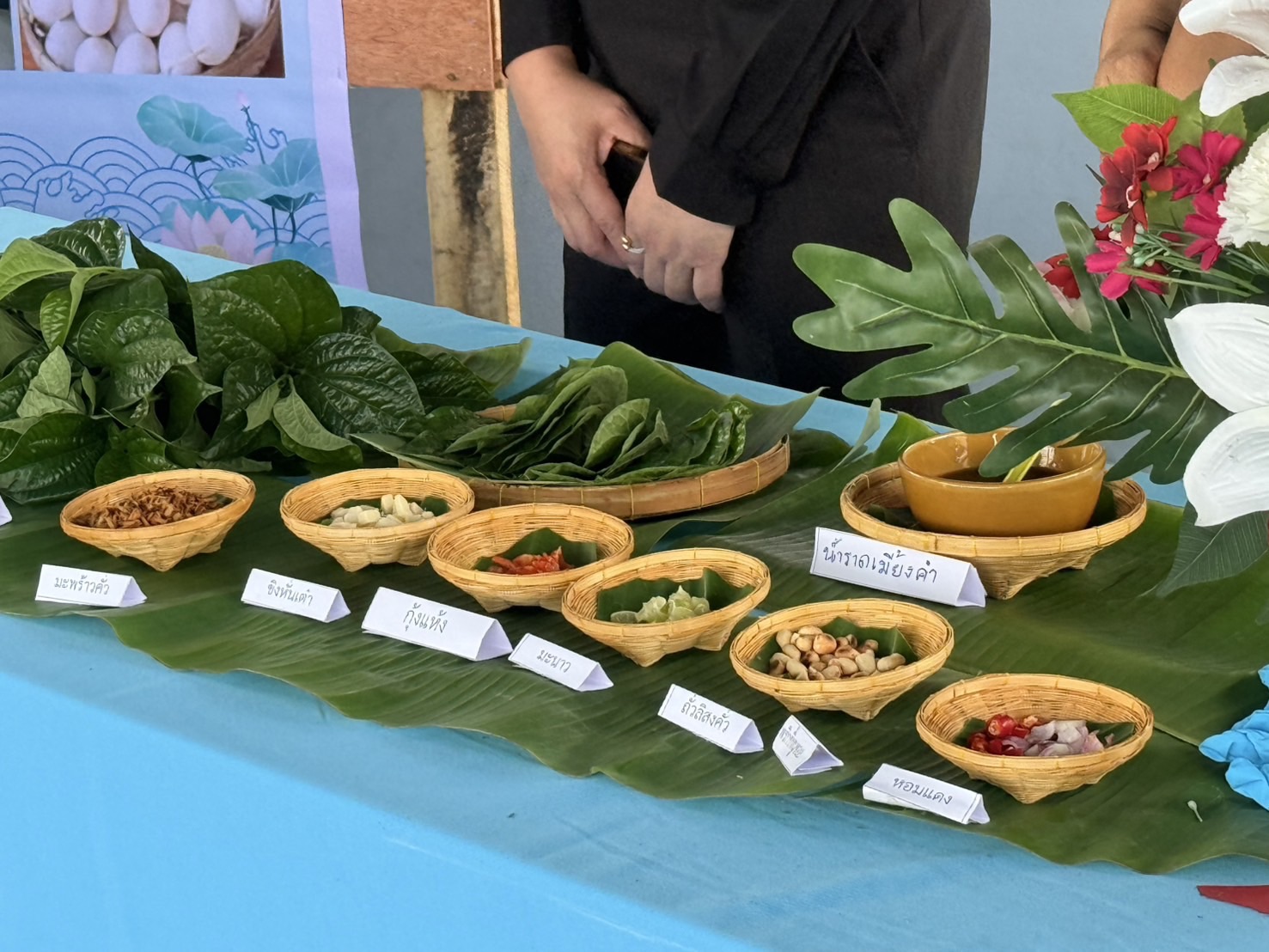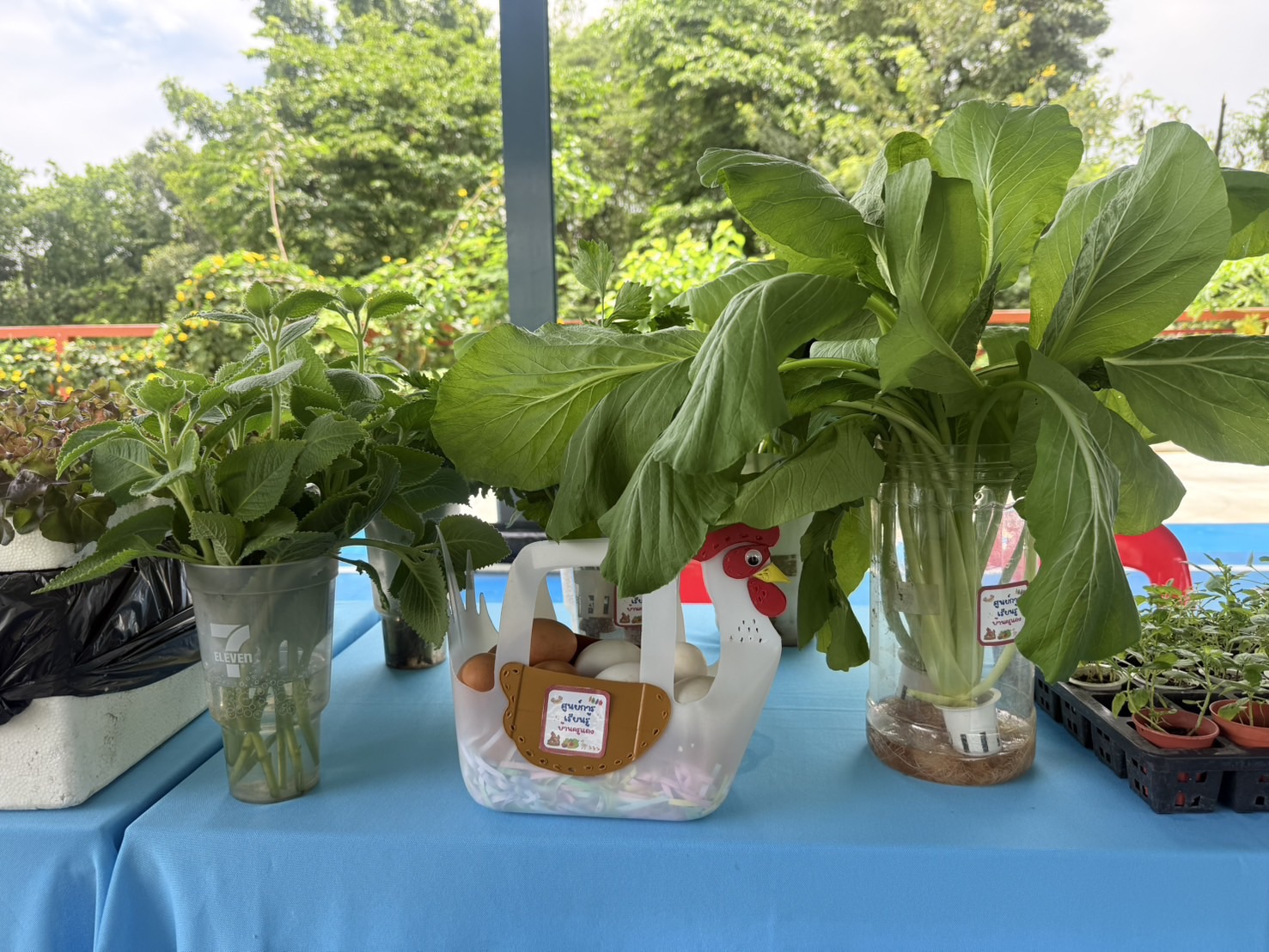
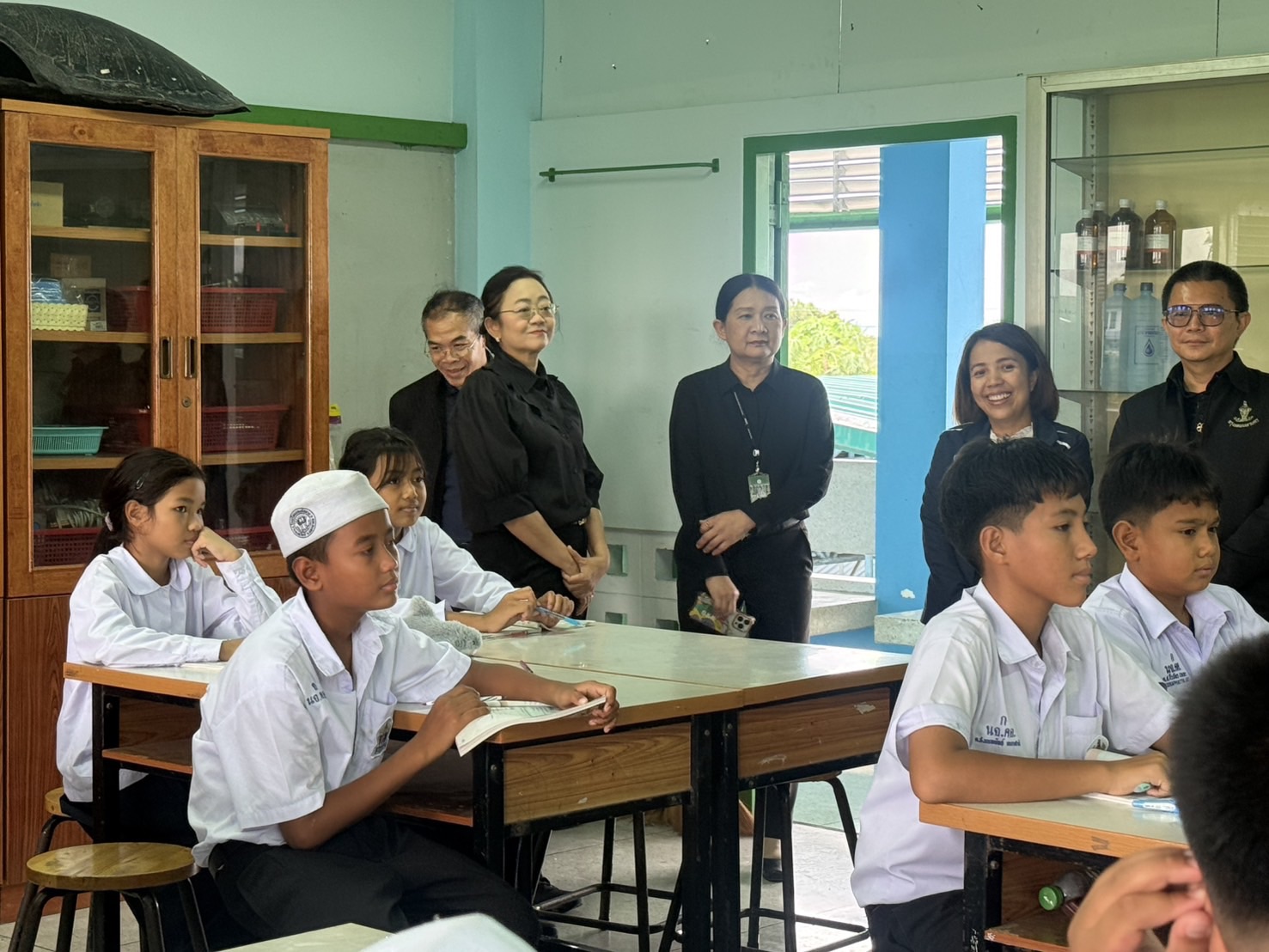
On July 3, 2026, Miss Aranya Pornchaiya, Deputy Permanent Secretary for the Bangkok Metropolitan Administration (BMA), accompanied by Education Department Deputy Director-General Ms. Somrudee Lansucheep and Nong Chok District executives, conducted comprehensive field evaluations at Phonleerungrueang and Karee Upatham schools. The high-profile inspections focused on the BMA’s strategic commitment to holistic student development, bridging academic excellence with critical life skills, moral education, and career readiness. At Phonleerungrueang School, the delegation audited experiential learning modules modeled after the Sufficiency Economy Philosophy’s “Three Rings and Two Conditions” framework: moderation, reasonableness, and resilience, paired with knowledge and morality. Students showcased self-reliance and resource optimization through hands-on agricultural processing centers, displaying hydroponic farming alongside value-added culinary creations like processed Bengal currants, santol with spicy sauce, and traditional Miang Kham using ingredients harvested directly from school grounds. This practical pedagogy builds analytical thinking, teamwork, and economic adaptability from local resources.
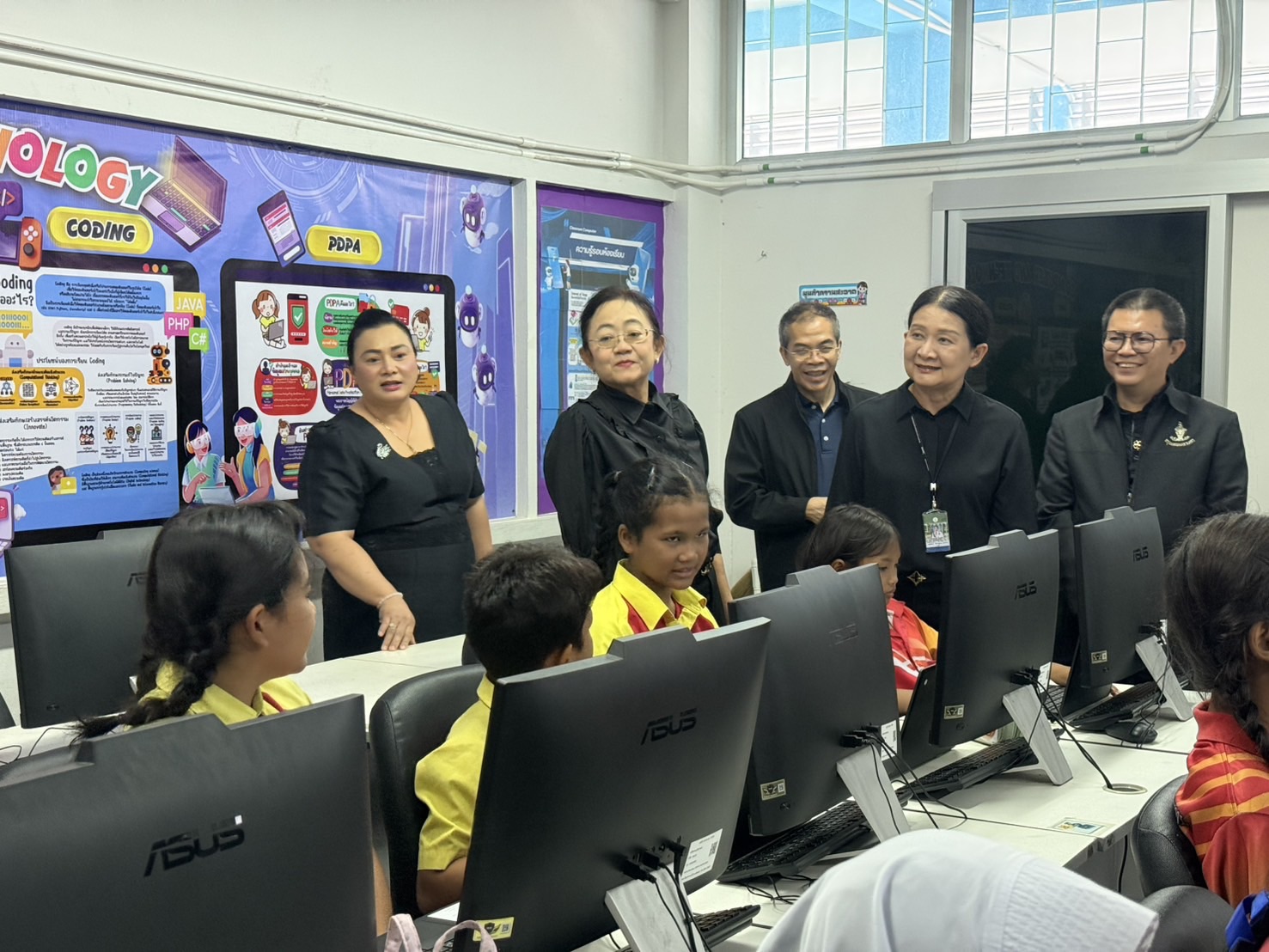
Concurrently, at Karee Upatham School, the BMA leadership monitored specialized infrastructure improvements, including special education management for students with special needs and the integration of modern digital teaching aids. The school demonstrated excellence across diverse fields, highlighting its competitive futsal program, computer-based drawing, and regional Thai encyclopedia coloring triumphs. To ensure student health, the BMA audited the school’s dust-free classroom management practices and safe kindergarten sanitation facilities. Concluding the tour, Deputy Permanent Secretary Aranya issued critical policy directives to administrators, urging teachers to utilize educational technology and cultivate early-stage language acquisition to navigate modern global changes. Furthermore, she spearheaded the BMA’s innovative “central kitchen” policy, an integrated catering initiative designed to share food management resources among adjacent schools, streamline budgetary efficiency, enforce strict nutritional safety standards, and establish long-term food security for students across the municipality.