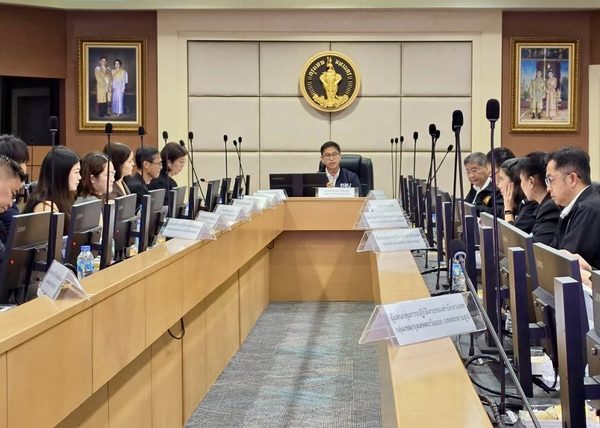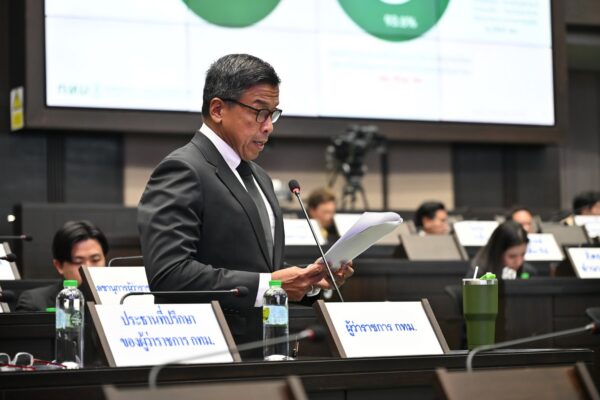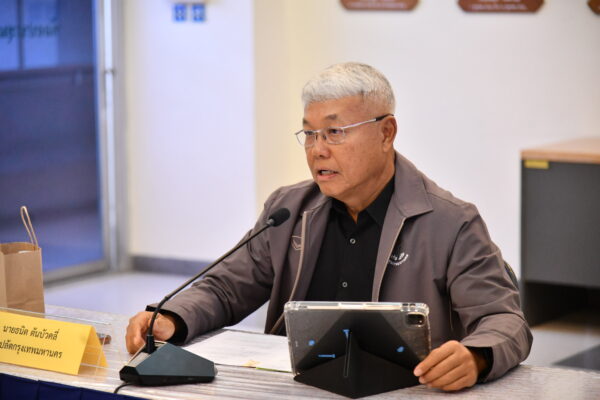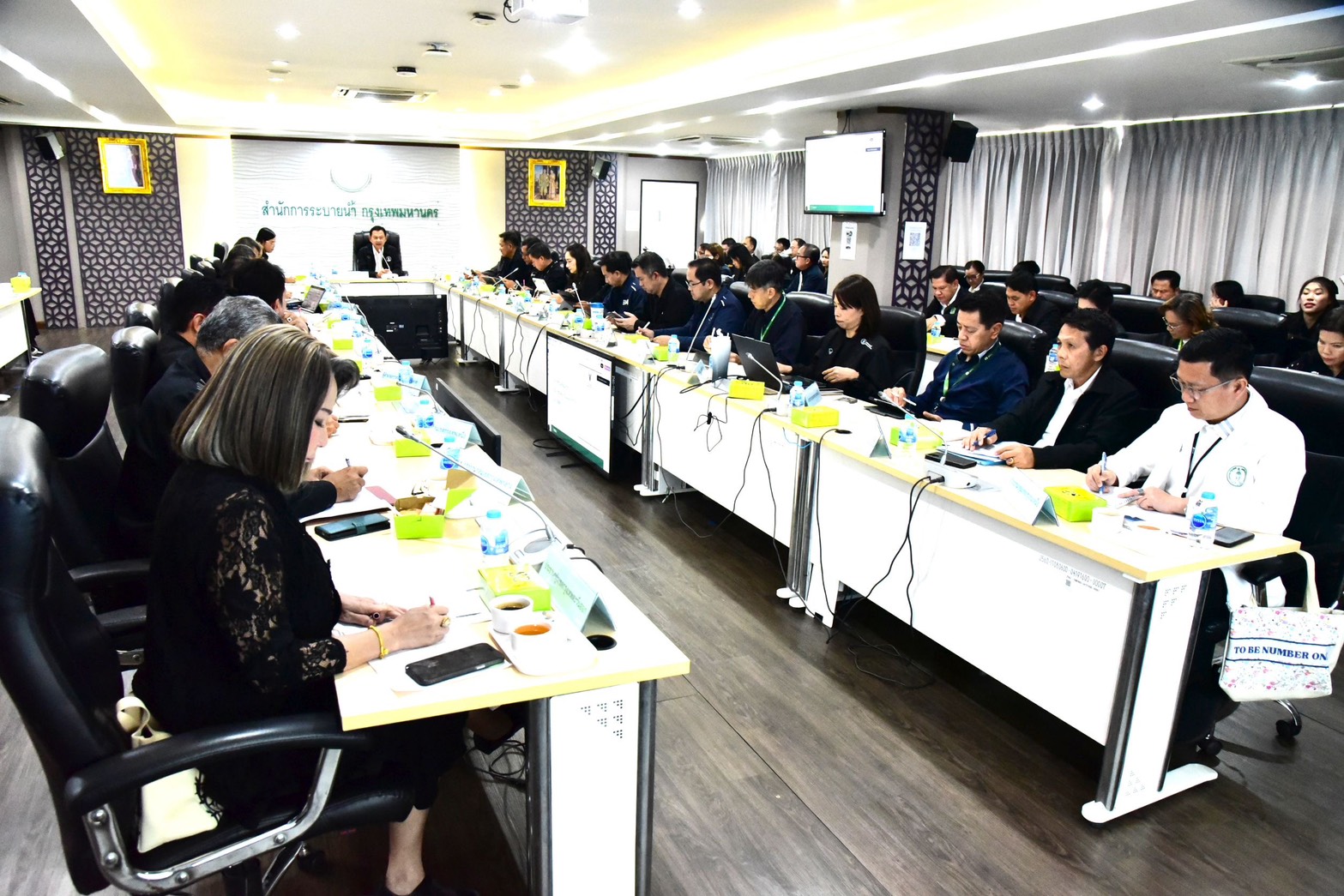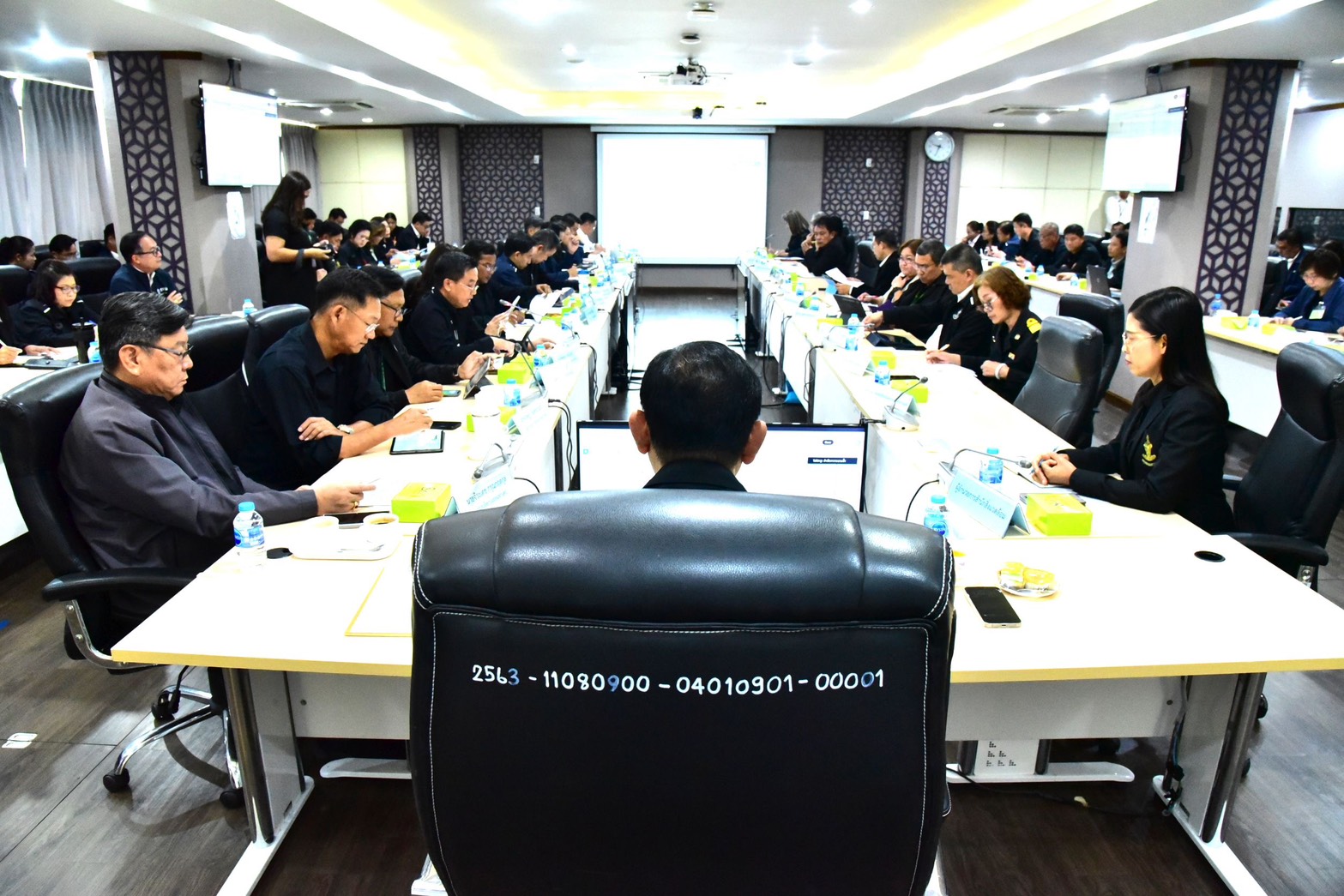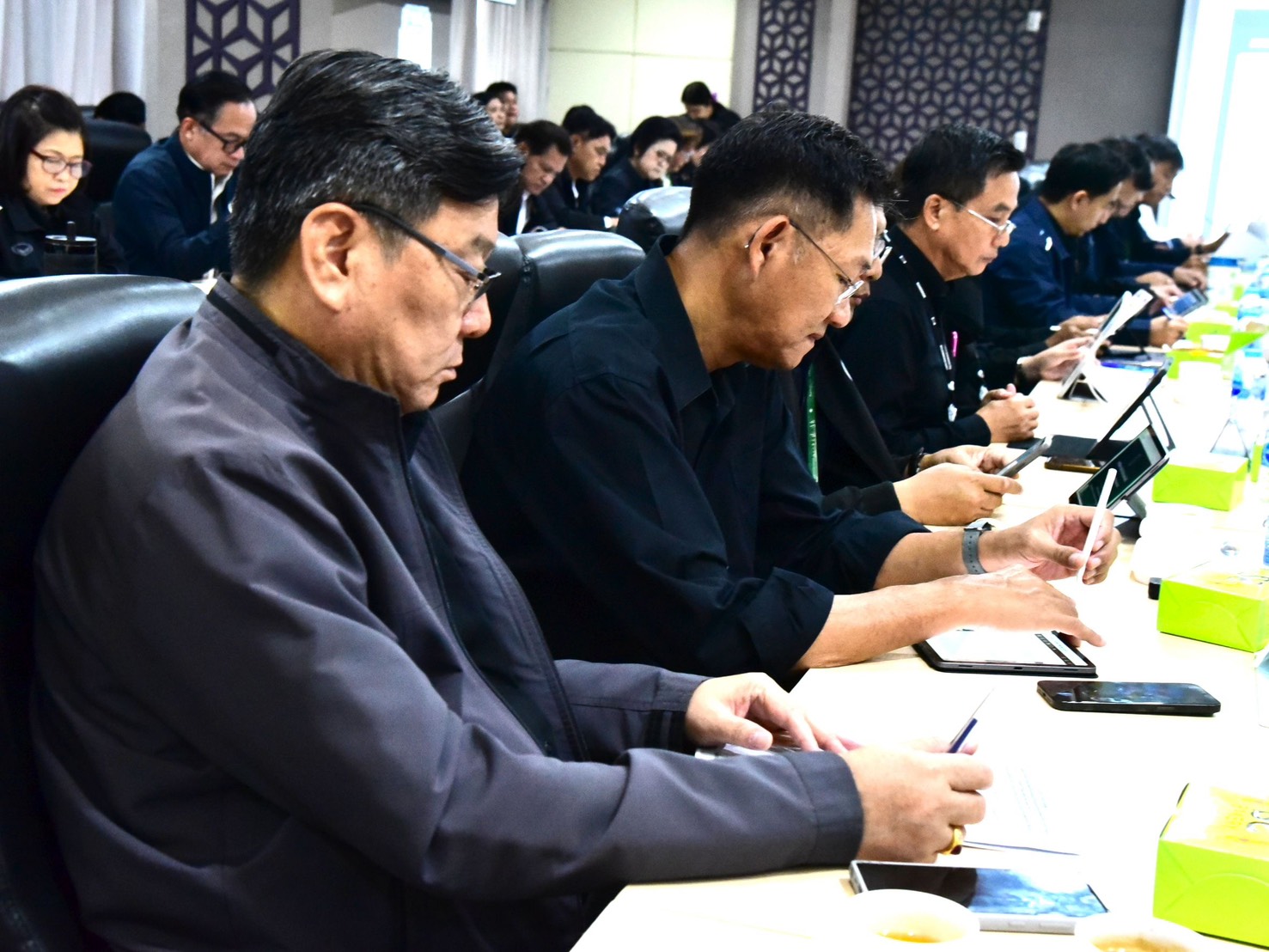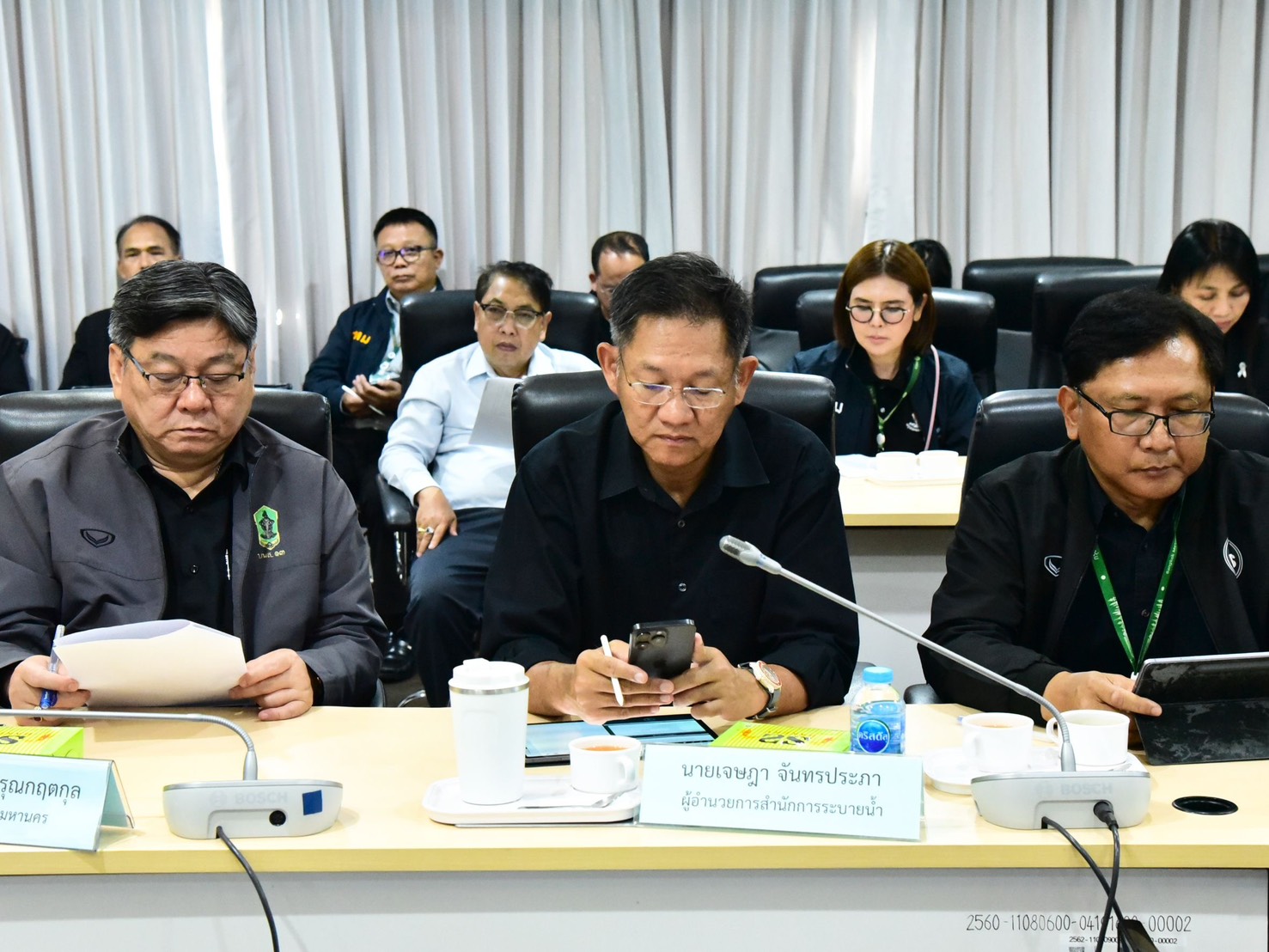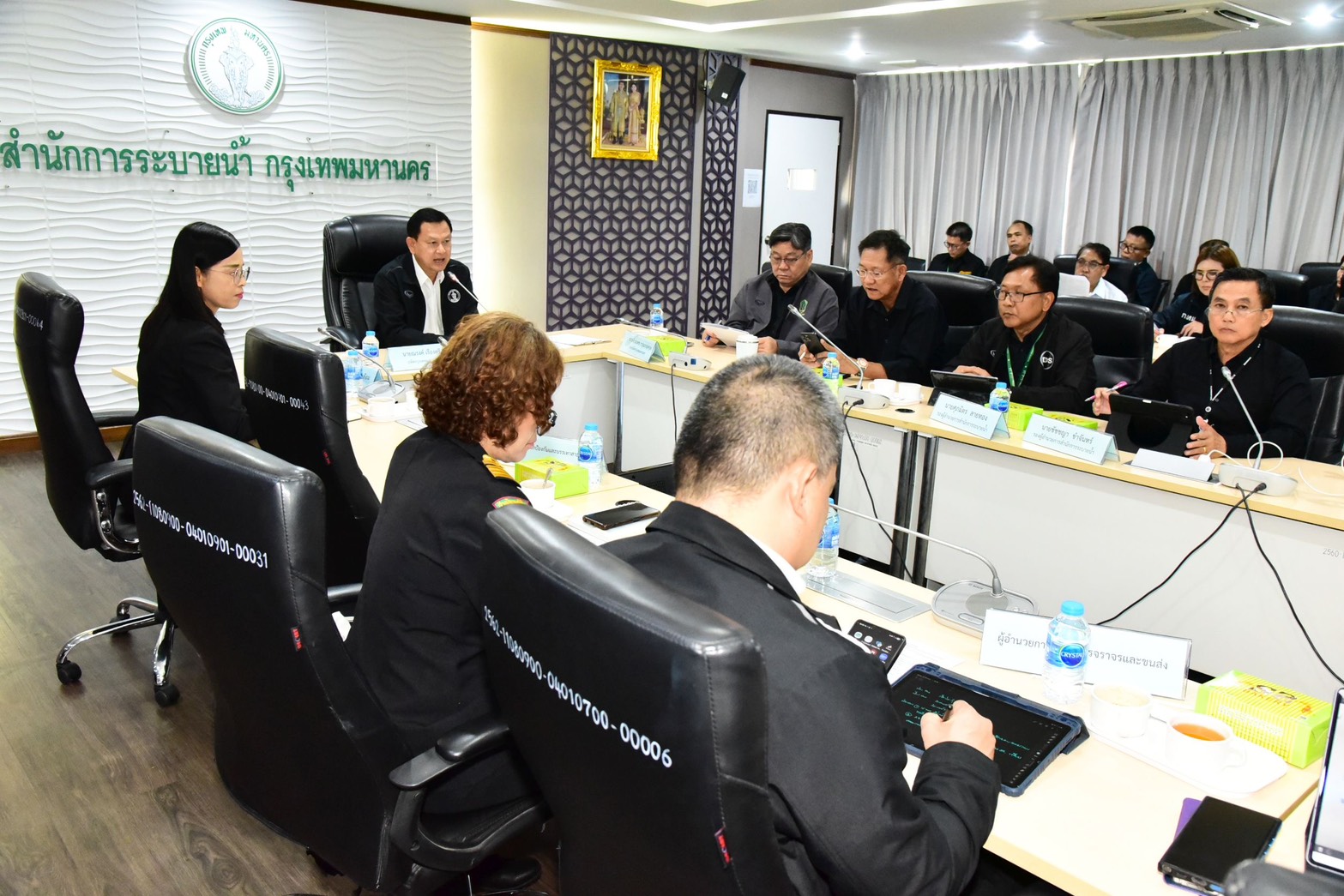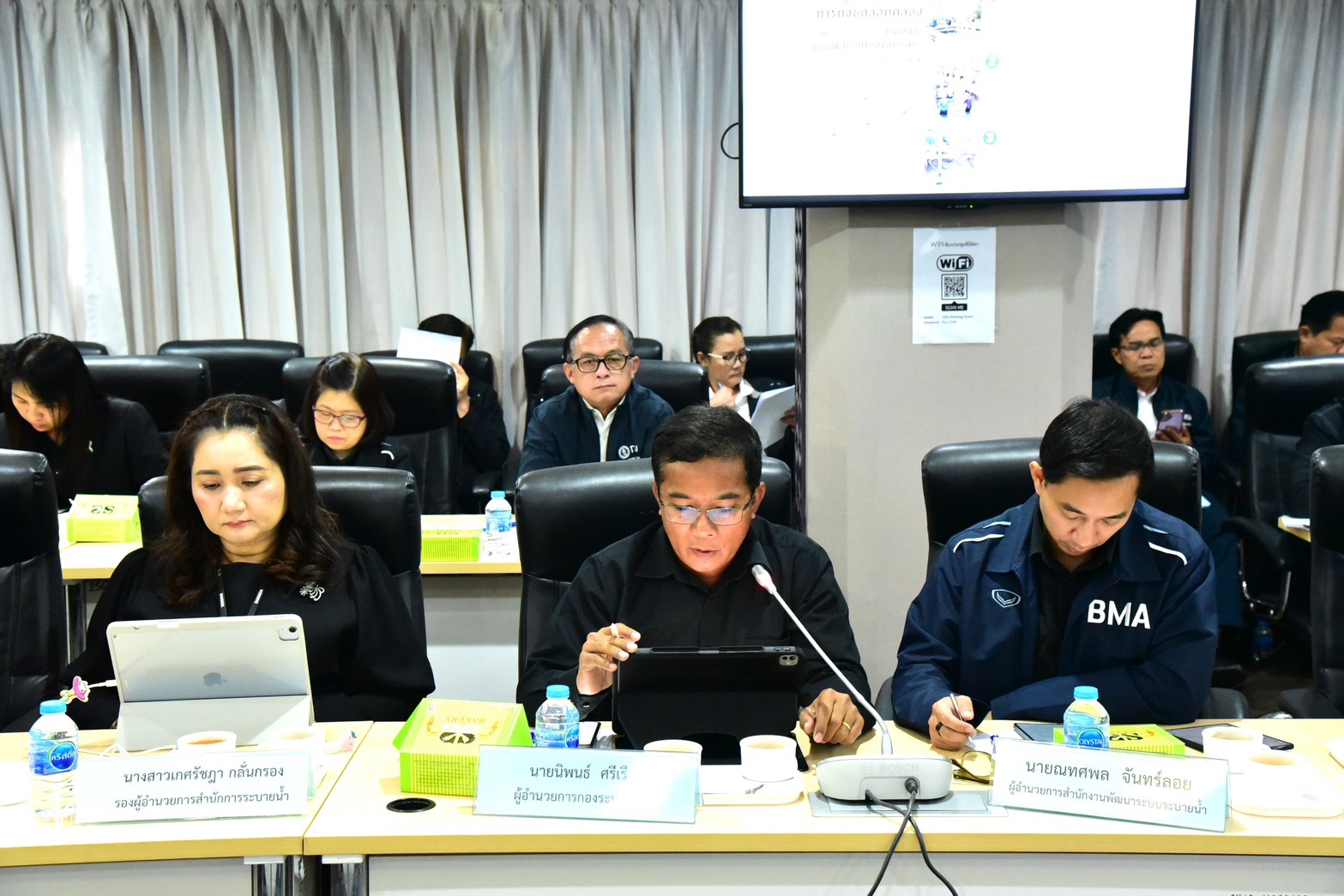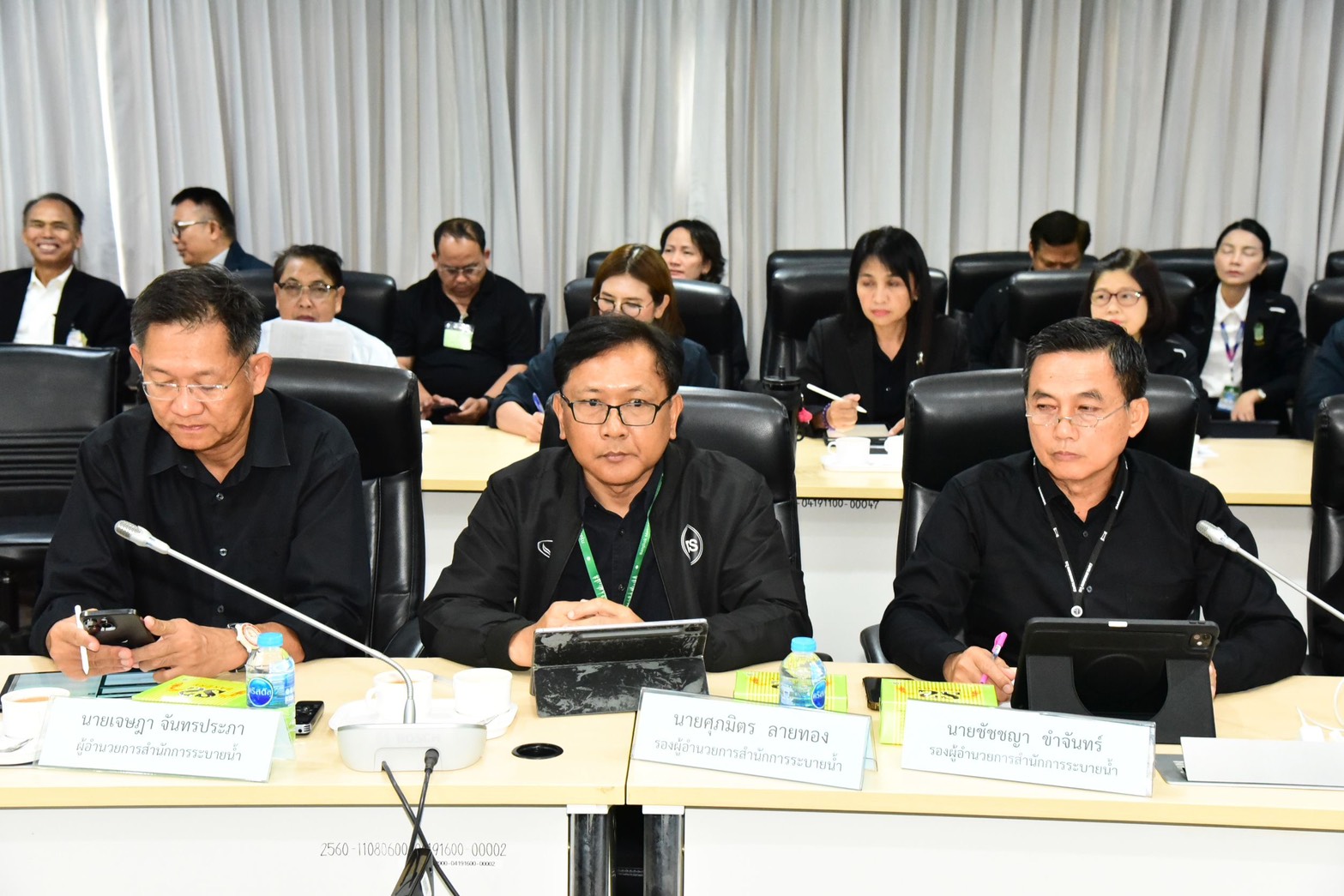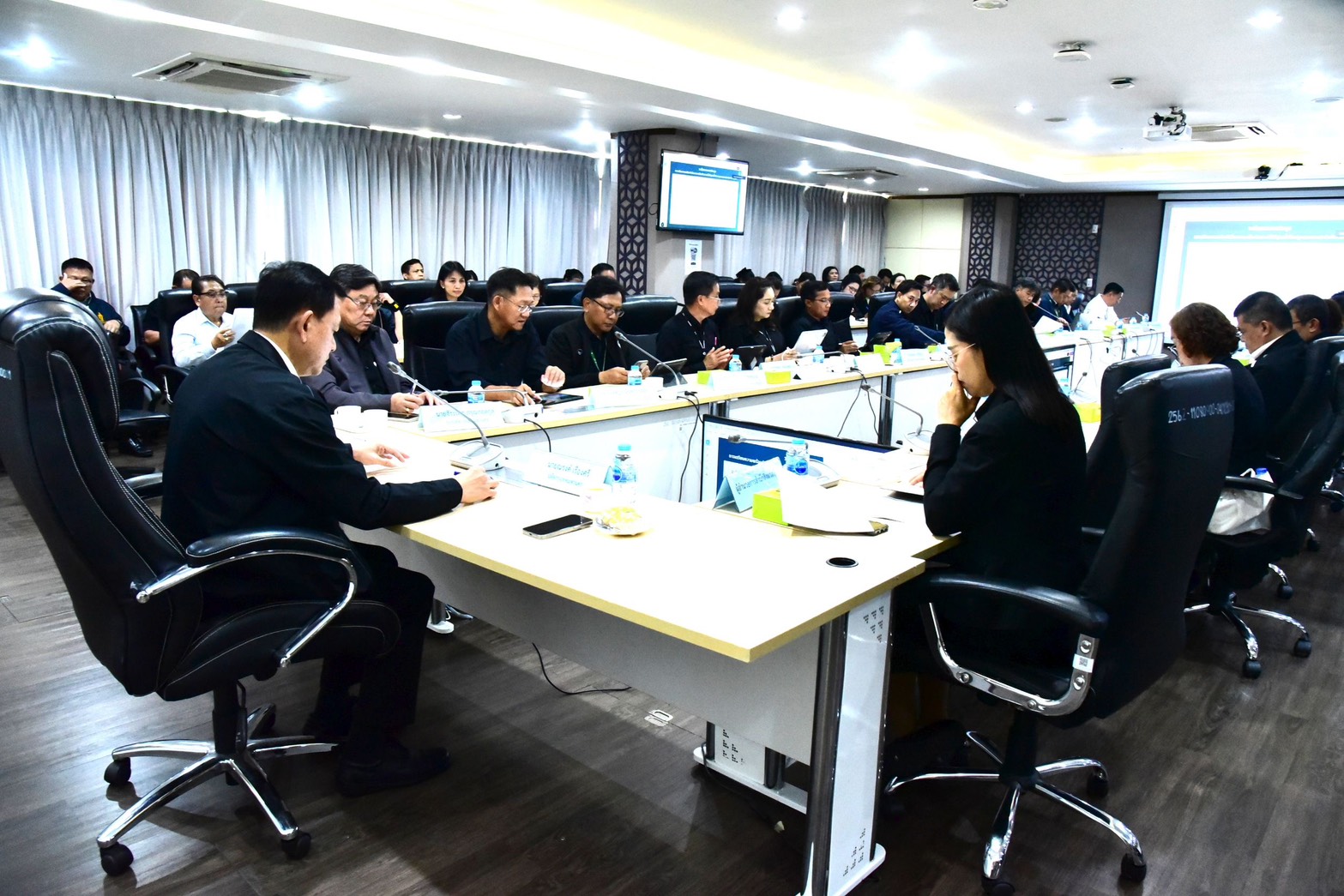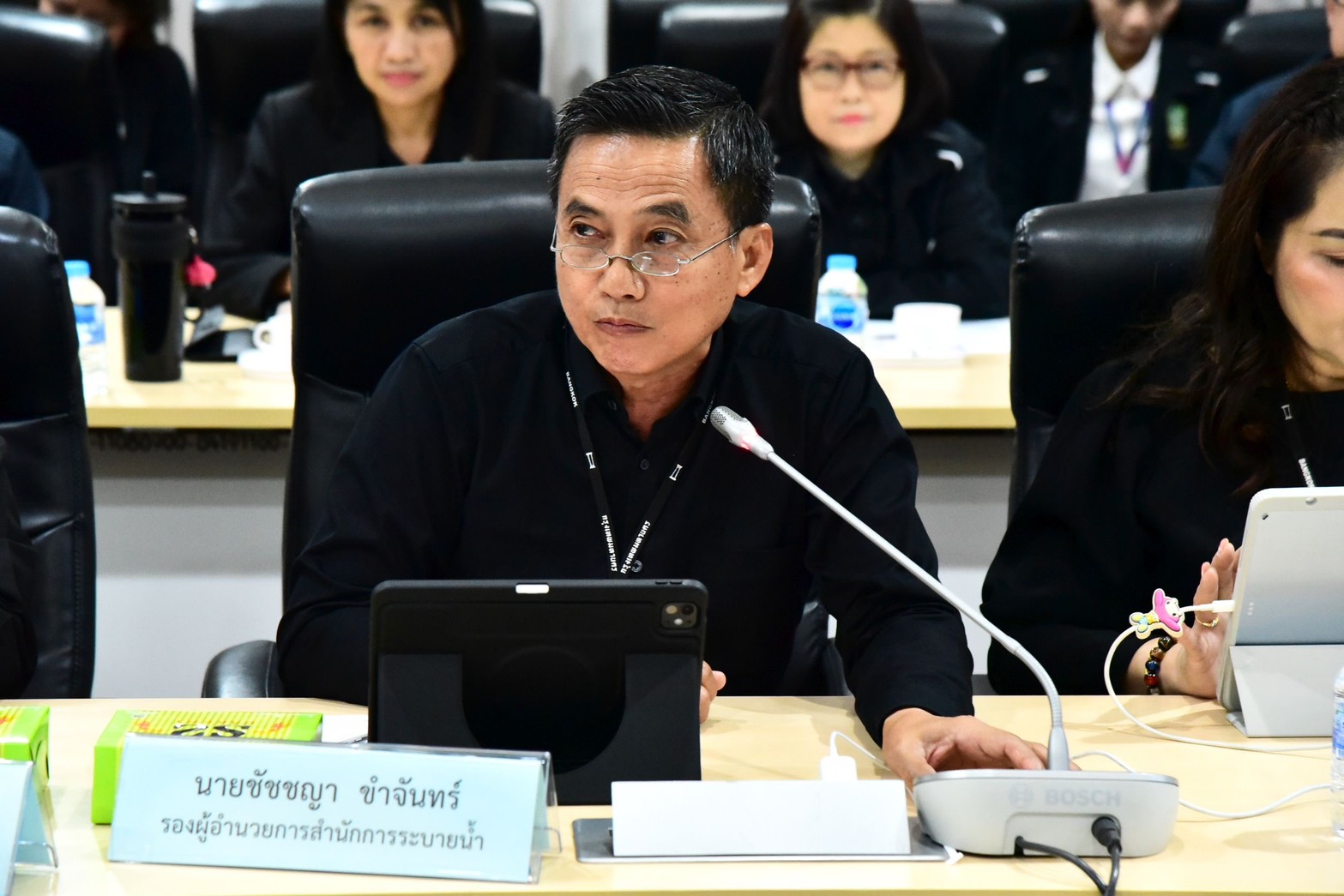
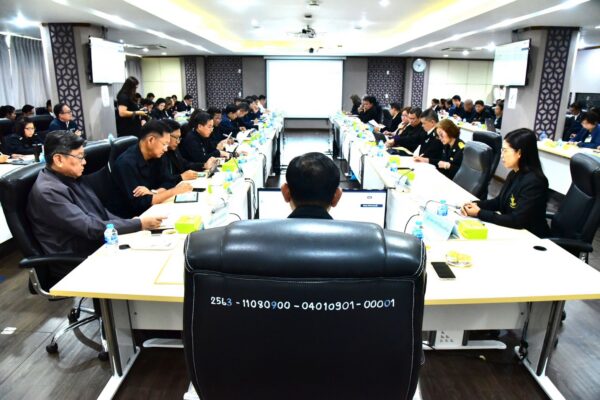
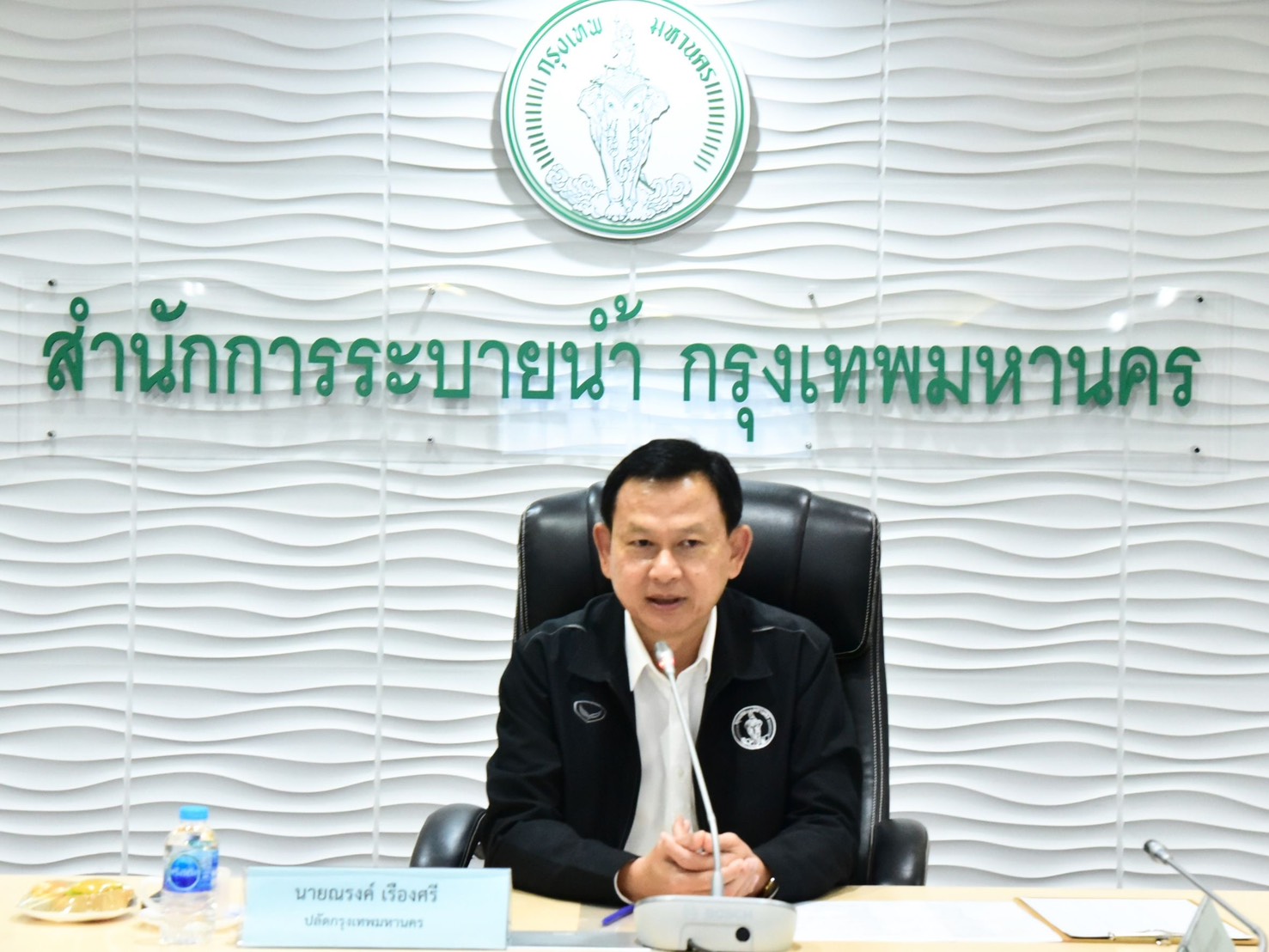
On May 26, 2026, Mr. Narong Ruengsri, Permanent Secretary for the Bangkok Metropolitan Administration (BMA), chaired a comprehensive readiness meeting to finalize the 2026 Bangkok flood prevention and mitigation plan. Held at Bangkok City Hall 2 in Din Daeng, the session brought together BMA executives, district zone executives, and the BMA’s emergency response departments. Though current cumulative rainfall is 36 percent lower than the 10-year average, meteorological reports indicate a 40-to-60 percent chance of thunderstorms starting late May, with heavy downpours expected to return by mid-July. To manage this risk, the BMA has analyzed data from past flooding incidents, noting that out of 737 flood-prone areas identified in 2022, 563 have been resolved, while current operations are targeting 216 remaining and newly identified high-risk zones.
Pre-monsoon maintenance is already well underway, with workers having cleared 91 percent of the planned 3,811.7 kilometers of drainage pipes, a task on track for completion by early June. Additionally, the Drainage and Sewerage Department has prepared five primary drainage tunnels, over 200 pumping stations, and 24 rapid response units. This structural readiness integrates directly with an emergency response plan for the upcoming Bangkok gubernatorial and Bangkok Metropolitan Council elections. Permanent Secretary Narong instructed officials to prioritize the city’s 6,629 polling stations, especially the 60 percent located outdoors, by overlaying drainage maps with voting venues to deploy mobile pumps, build temporary walkways, and place protective sandbags.
Finally, Mr. Narong issued strict directives regarding ongoing infrastructure projects across the metropolis. Both internal BMA departments and external contractors must strictly regulate construction sites to ensure that loose building materials do not obstruct public waterways. District offices are tasked with monitoring these zones closely, enforcing the installation of temporary drainage systems, and immediately coordinating with project owners to resolve vulnerabilities, thereby safeguarding both daily commuting and civic voting access during the rainy season.