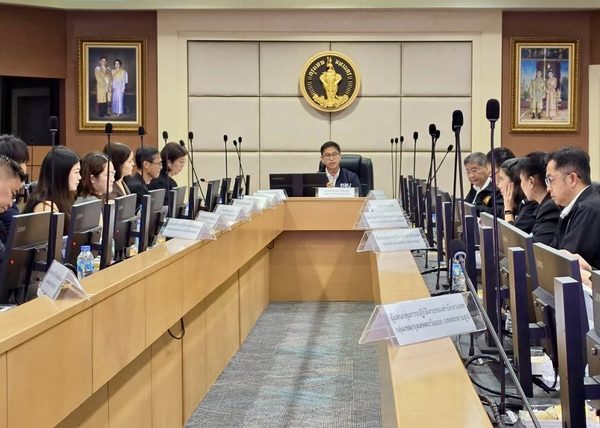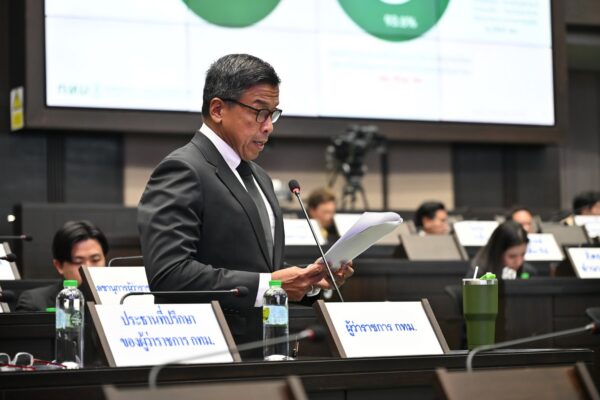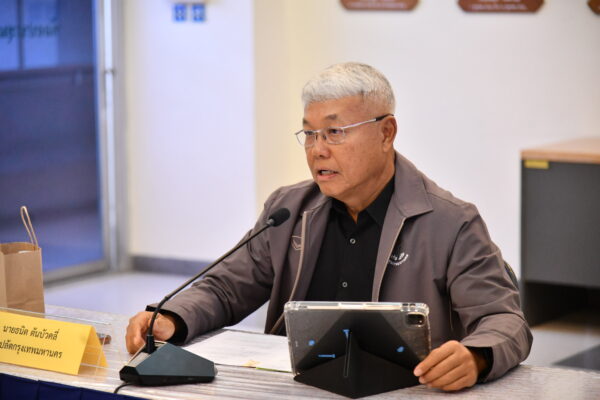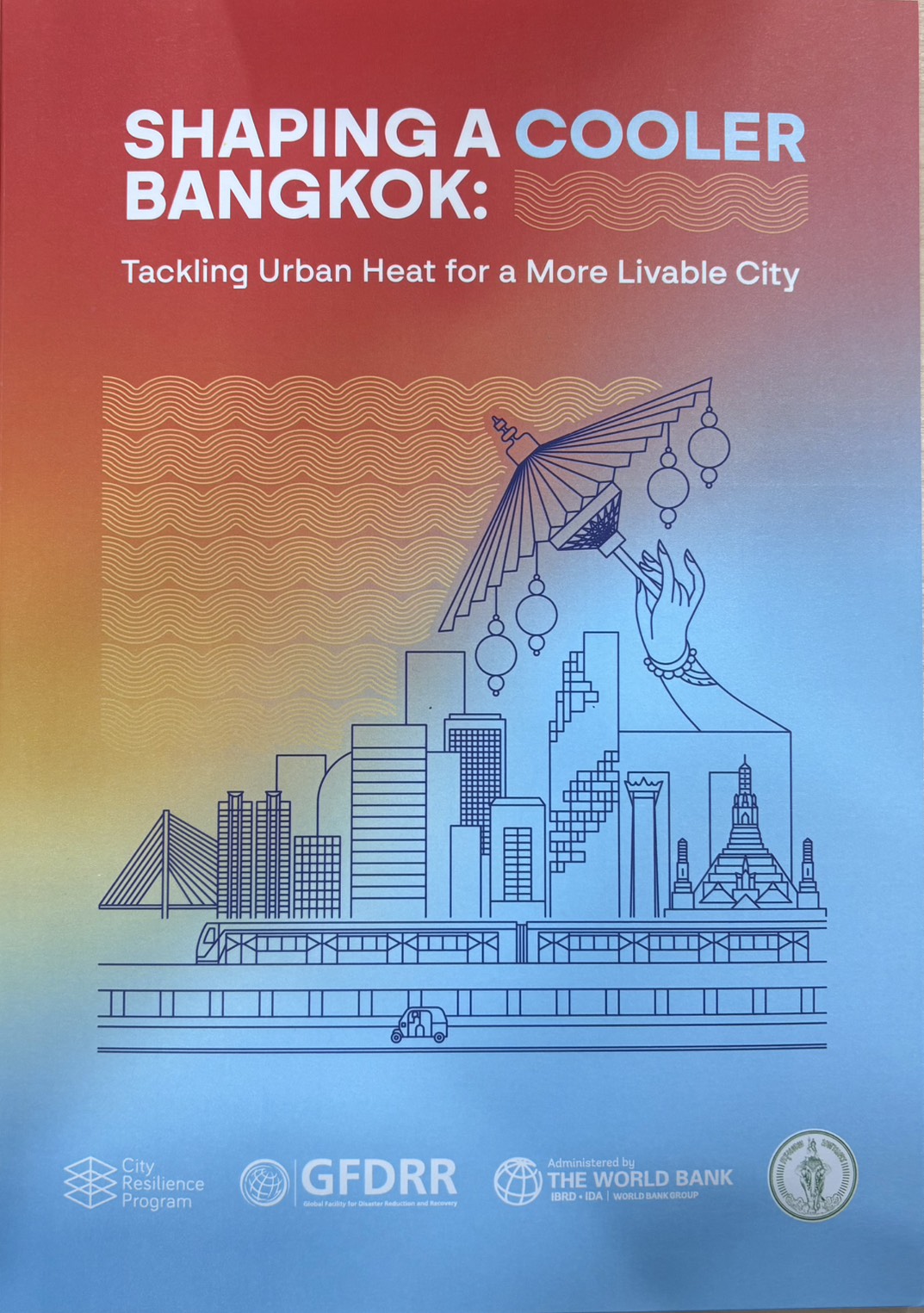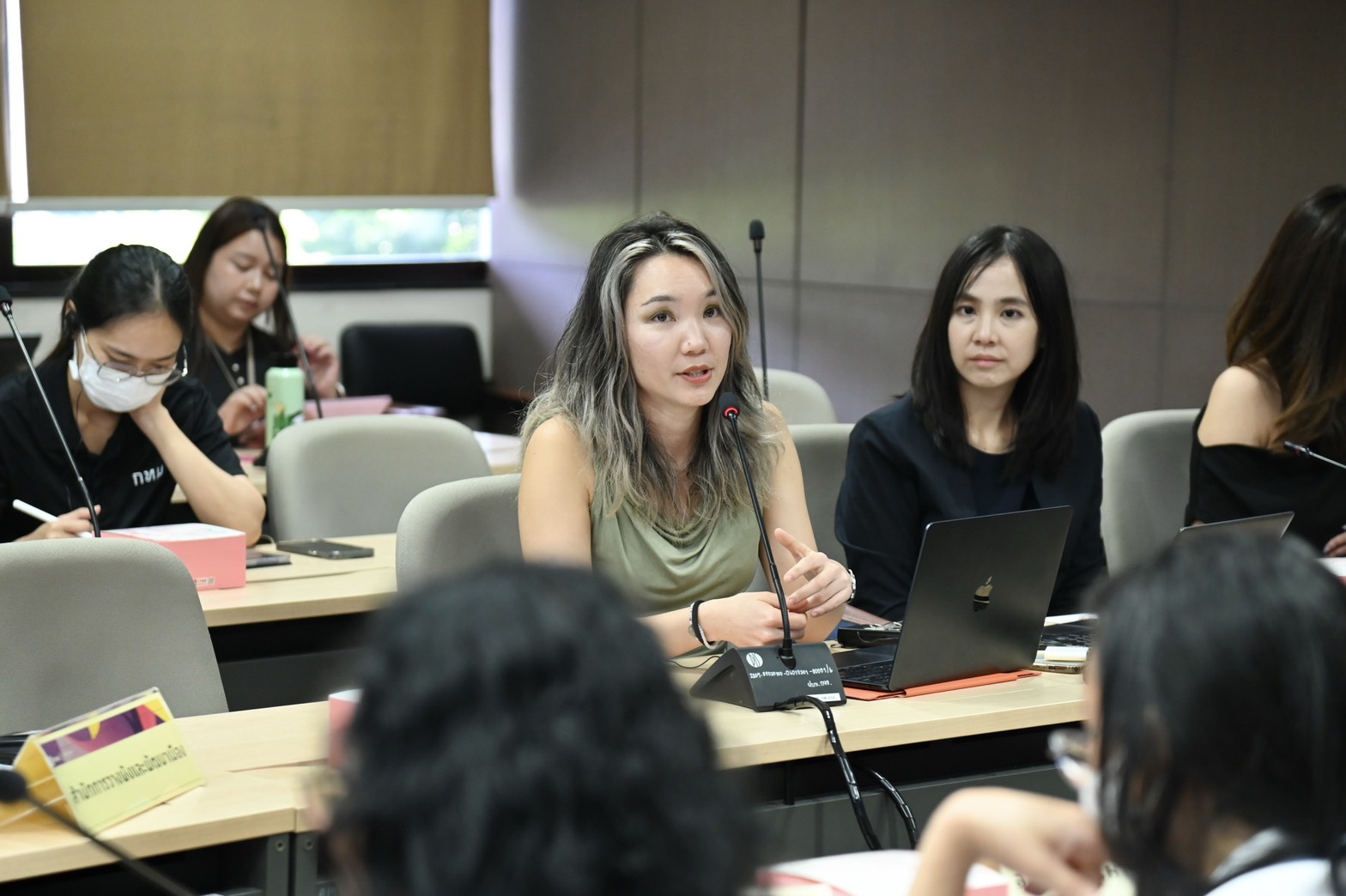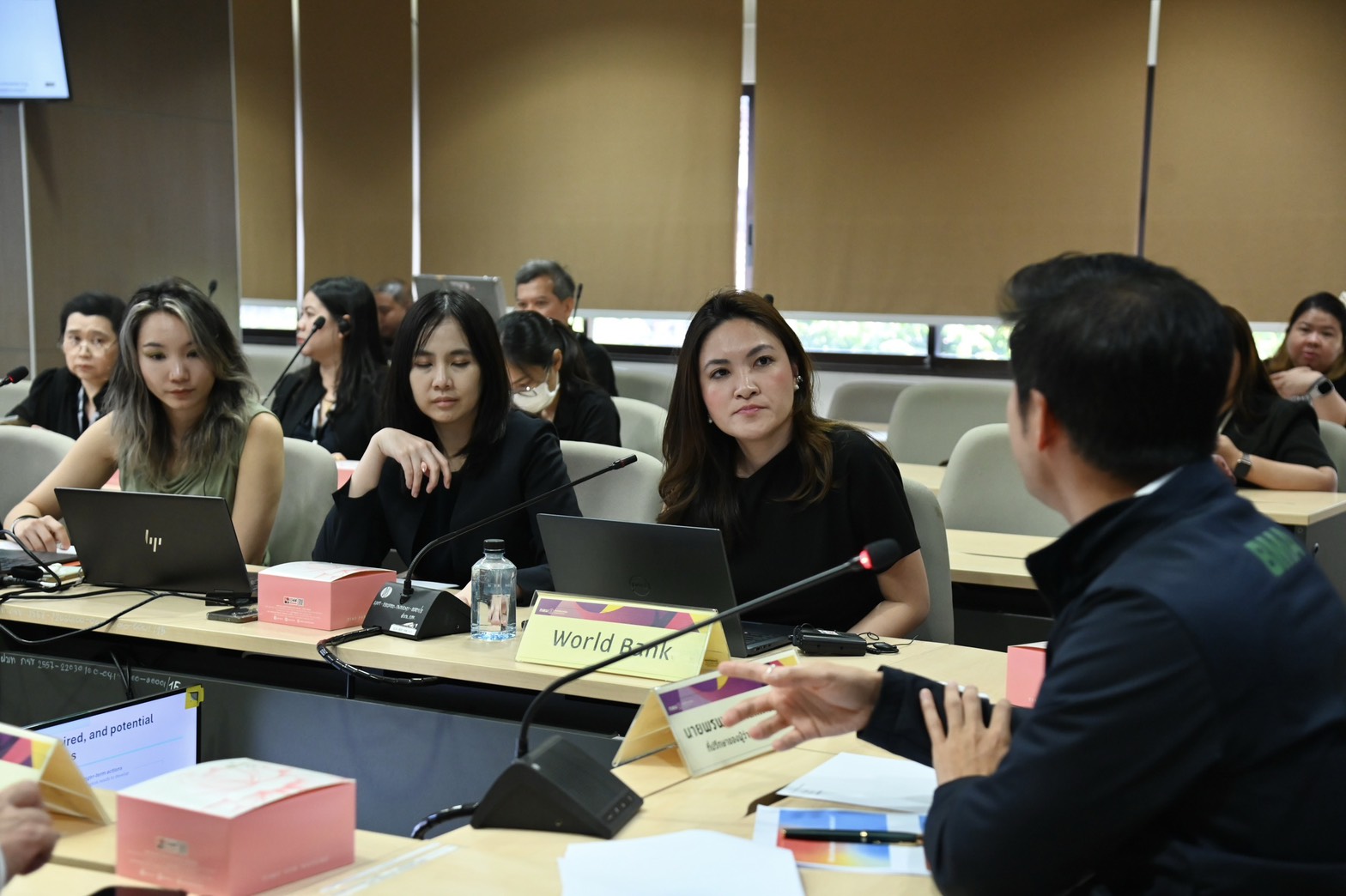
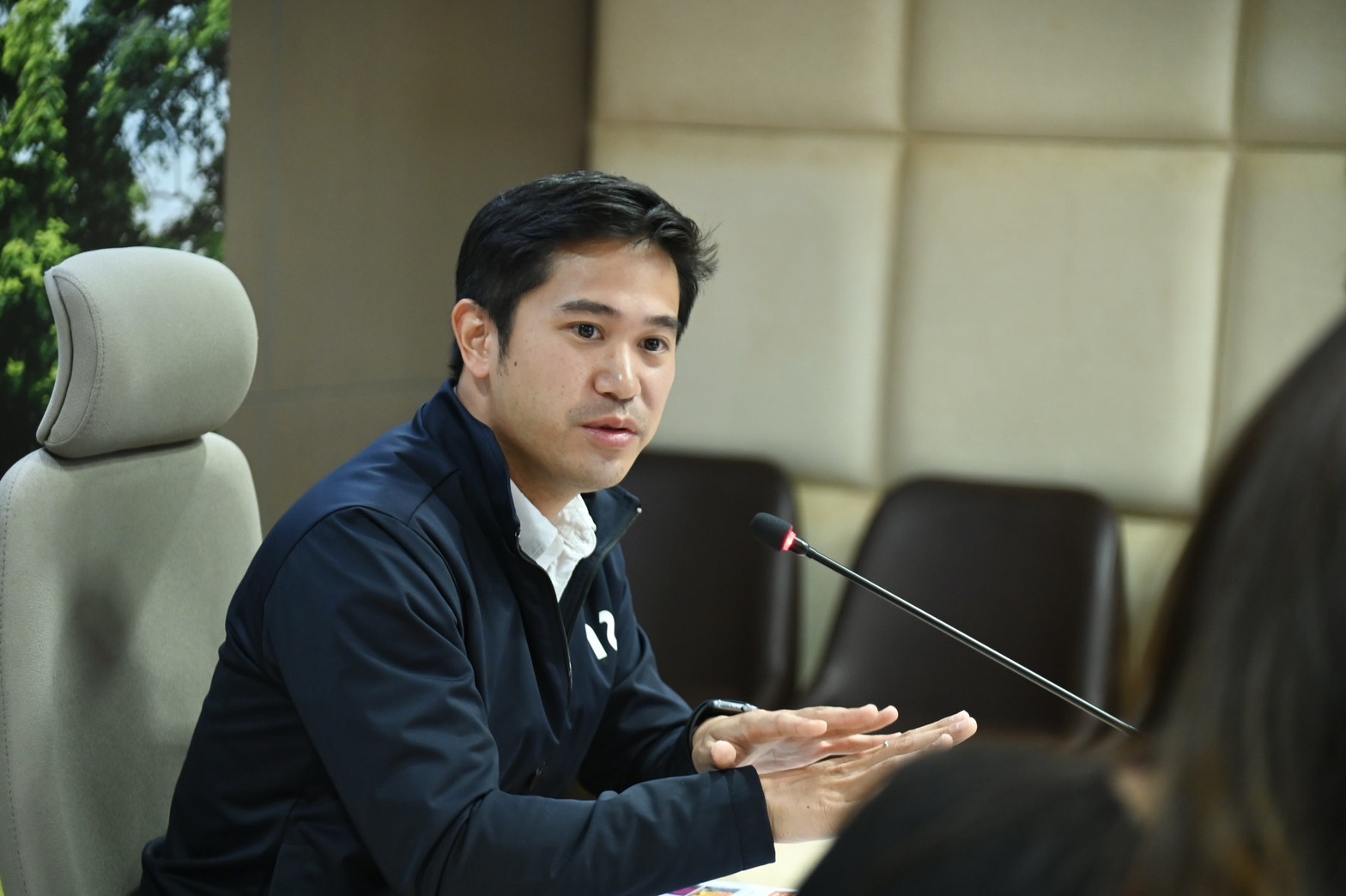
Bangkok isn’t just turning down the air conditioning; it is quite literally repainting its future to combat the sweltering effects of global warming. On March 25, 2026, Mr. Pornphrom Vikitsreth, BMA Chief Sustainability Officer, joined experts from the World Bank to pilot high-tech heat management strategies designed to lower the city’s “fever”. A centerpiece of this collaboration is the introduction of “Cooling Paint,” a specialized coating that offers much higher solar reflectance than ordinary paint. By reflecting up to 97% of infrared radiation, the primary culprit behind building heat, this technology can slash air-conditioning energy use by 10–25%. This shift doesn’t just benefit individual electricity bills; it helps lower the overall ambient temperature of the city, making the urban jungle feel a little more like a sanctuary.
The strategy goes far beyond a fresh coat of paint, moving into the realm of advanced “Big Data” and urban planning. The World Bank is working closely with the BMA’s City Planning and Urban Development Department to develop comprehensive “heat mapping” across Bangkok. This research will identify specific “hotspots” where temperatures exceed standard levels, allowing the city to target its resources and planning efforts where they are needed most. Simultaneously, the BMA is prioritizing the well-being of those on the front lines of the heat: delivery riders. Through the “BKK Cooling Spots” initiative, the city is coordinating with rider networks and restaurants to provide shaded, safe waiting areas, protecting these essential workers from the physical toll of heatstroke while they wait for orders.
To ensure the public stays informed without feeling overwhelmed, the BMA is also revamping its heat alert system. By coordinating with the Department of Health under the Ministry of Public Health, officials are refining the familiar green-yellow-orange-red color codes to be more practical and less panic-inducing, focusing on clear, actionable advice for residents. All data collected from these cooling initiatives will be funneled into an international-standard World Bank Report, creating a robust database to guide Bangkok’s long-term climate adaptation. By combining architectural innovation with social care and scientific mapping, the BMA is proving that a cooler, more resilient city is possible even in a warming world.
#GoodEnvironment #UrbanHeatManagement #WolrdBank #CoolingPaint