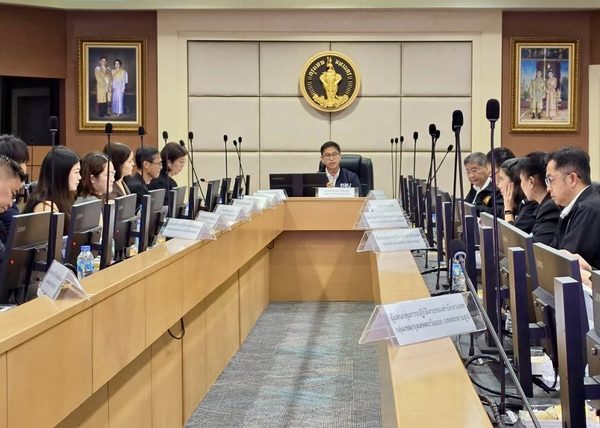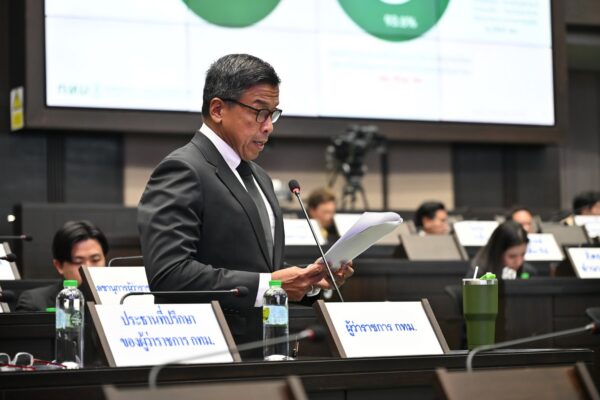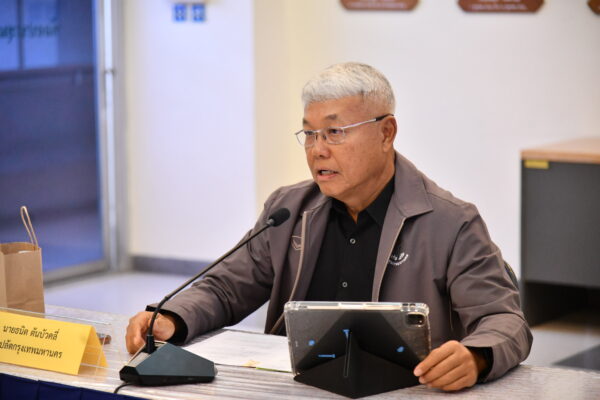
Following a massive 20,000-rai rice field fire in Nakhon Nayok on January 27, 2026, Bangkok has faced a significant surge in hazardous PM2.5 levels. Mr. Pornphrom Vikitsreth, Chief Sustainability Officer for the Bangkok Metropolitan Administration (BMA), articulated that stagnant air conditions rapidly directed smoke toward the capital, creating a public health emergency. This incident has highlighted the pressing necessity for a shift in strategy, moving away from reactive measures toward a more collaborative and empathetic approach to agricultural management.
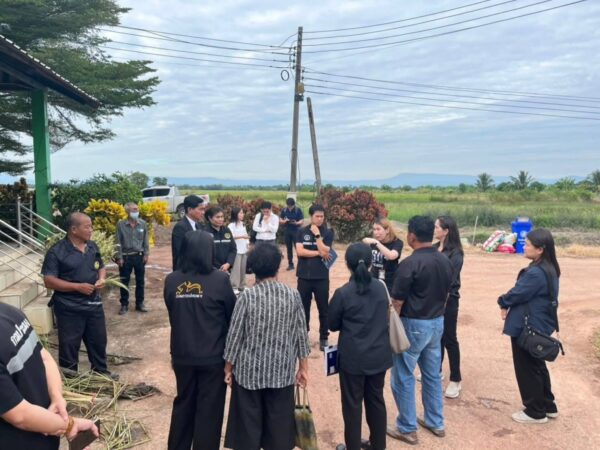
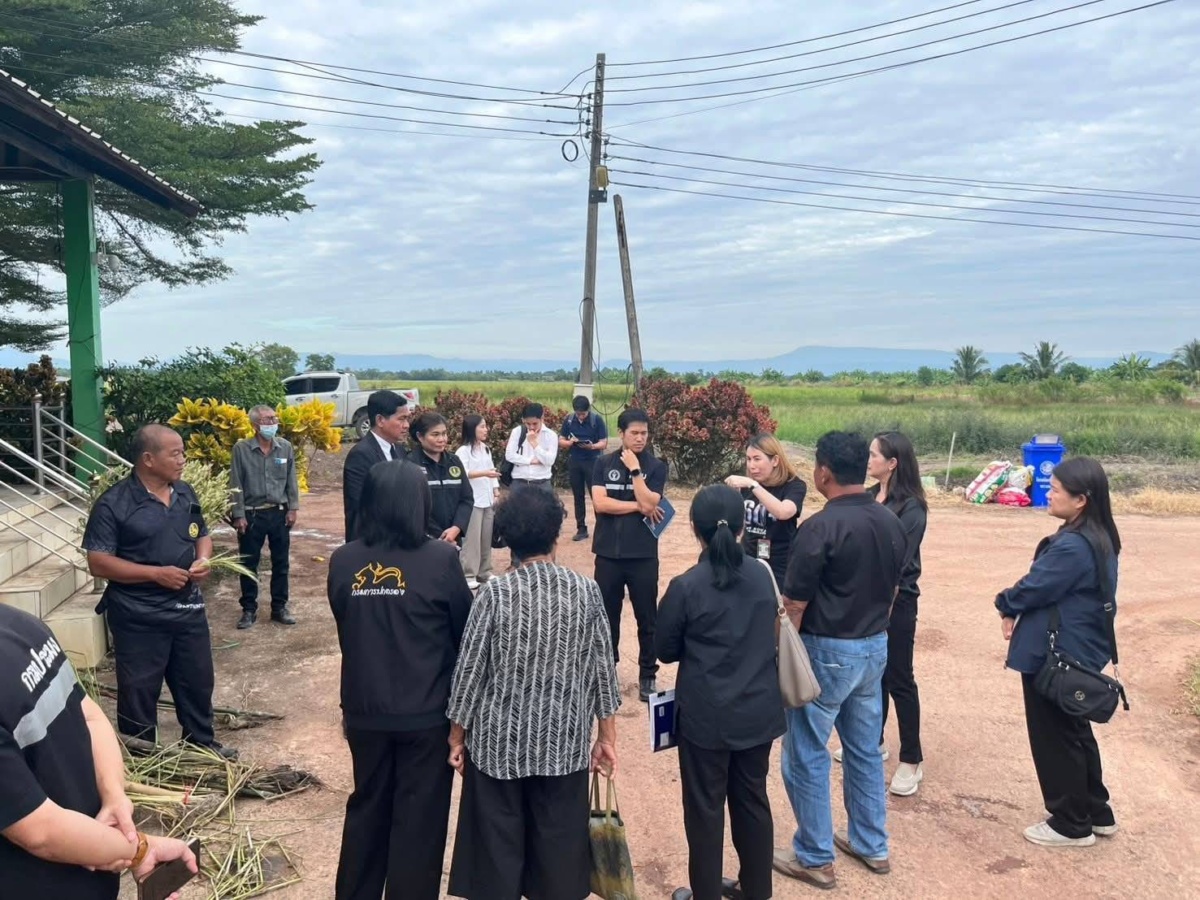
The BMA is actively changing the narrative by refusing to blame farmers for open burning. Instead, officials recognize that stubble burning is a complex structural problem rooted in high production costs, labor shortages, and limited access to modern machinery. To address these challenges at the source, the BMA has fostered a proactive partnership with Nakhon Nayok. This collaboration involves an early warning system that utilizes meteorological data and ventilation rates to identify risks three to five days in advance. This system enables provincial authorities to take preemptive measures to limit burning activities during high-risk periods before smoke reaches the urban environment.
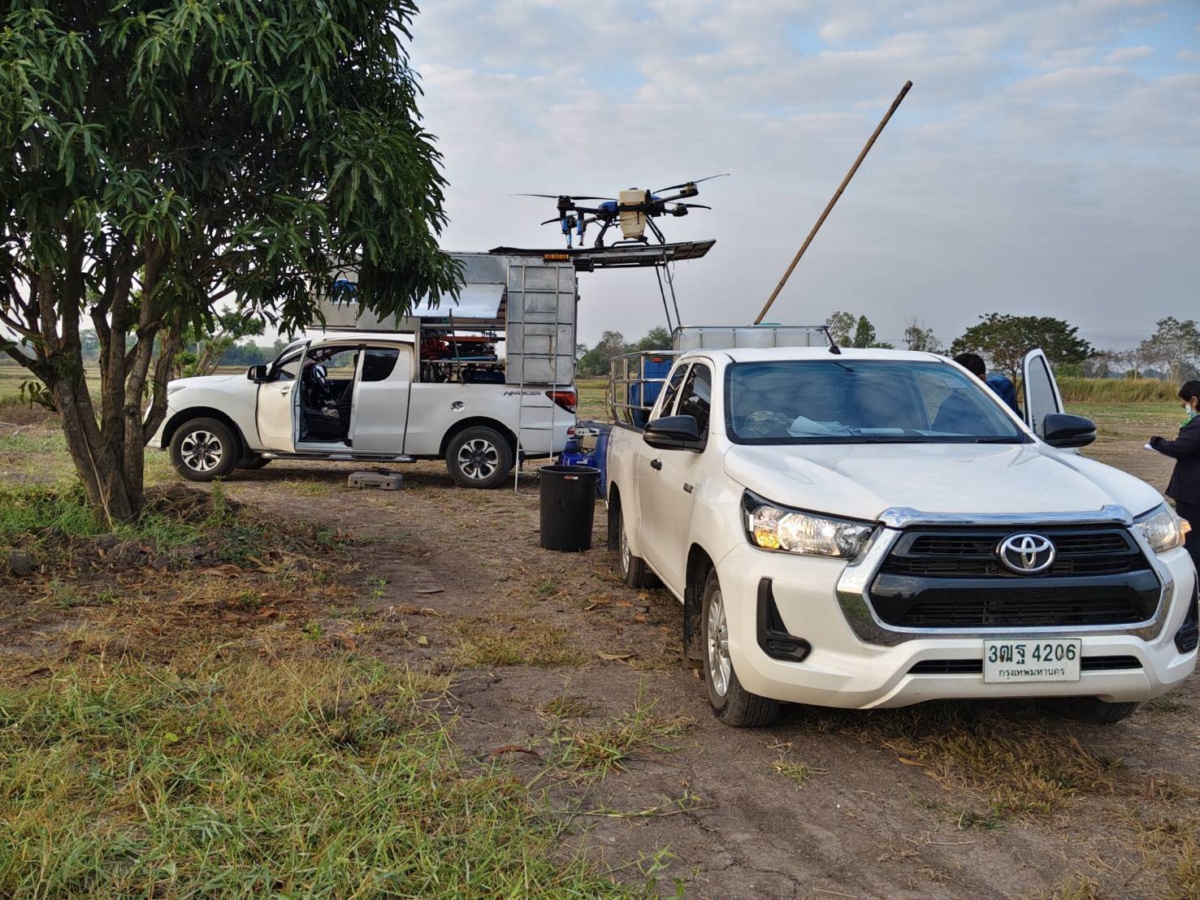
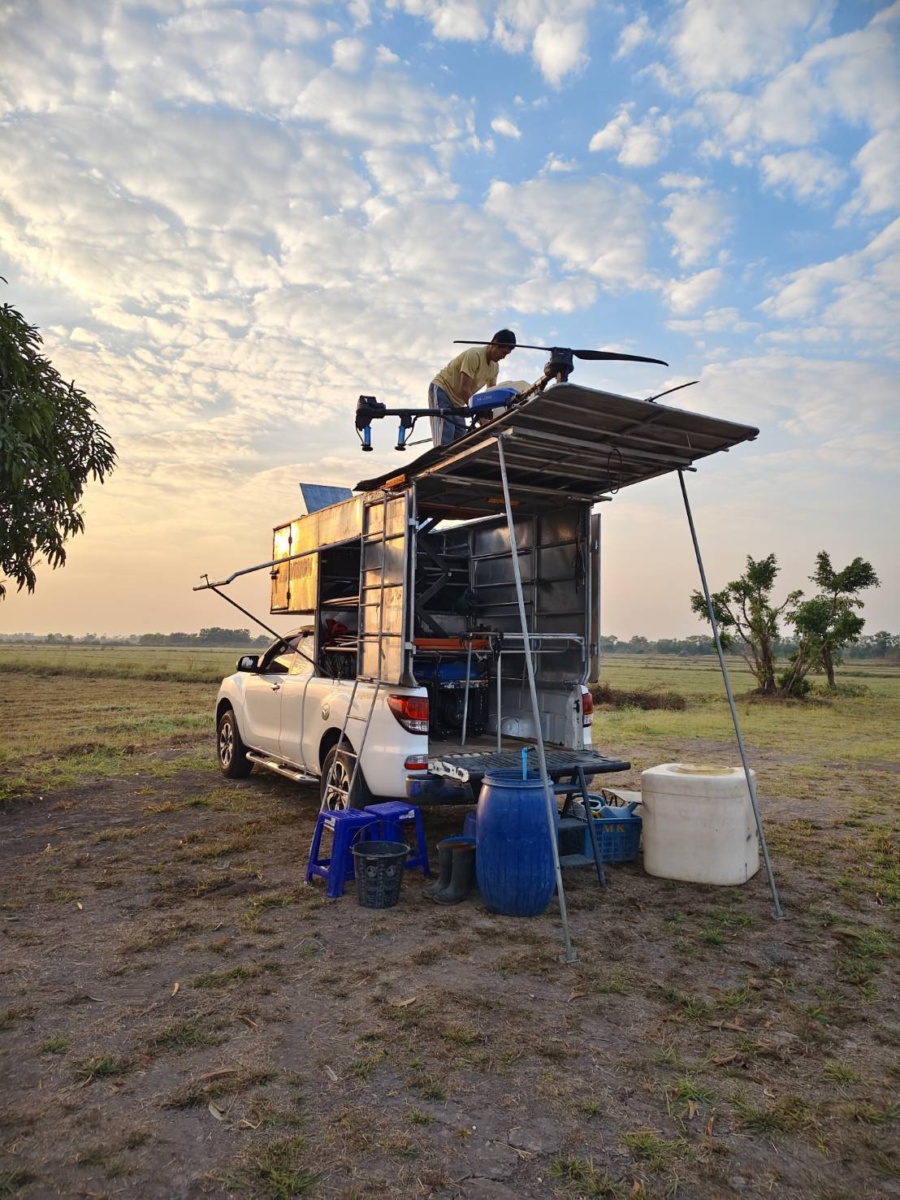
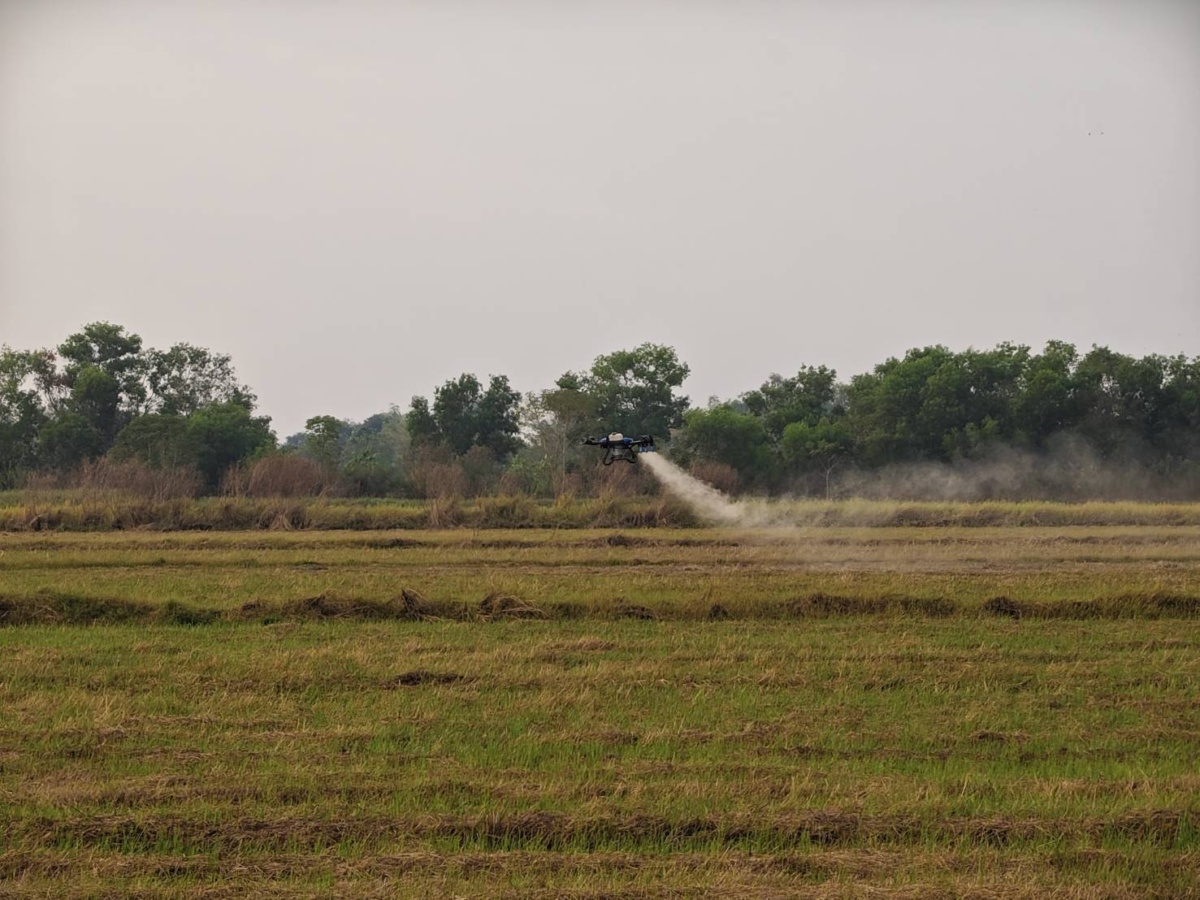
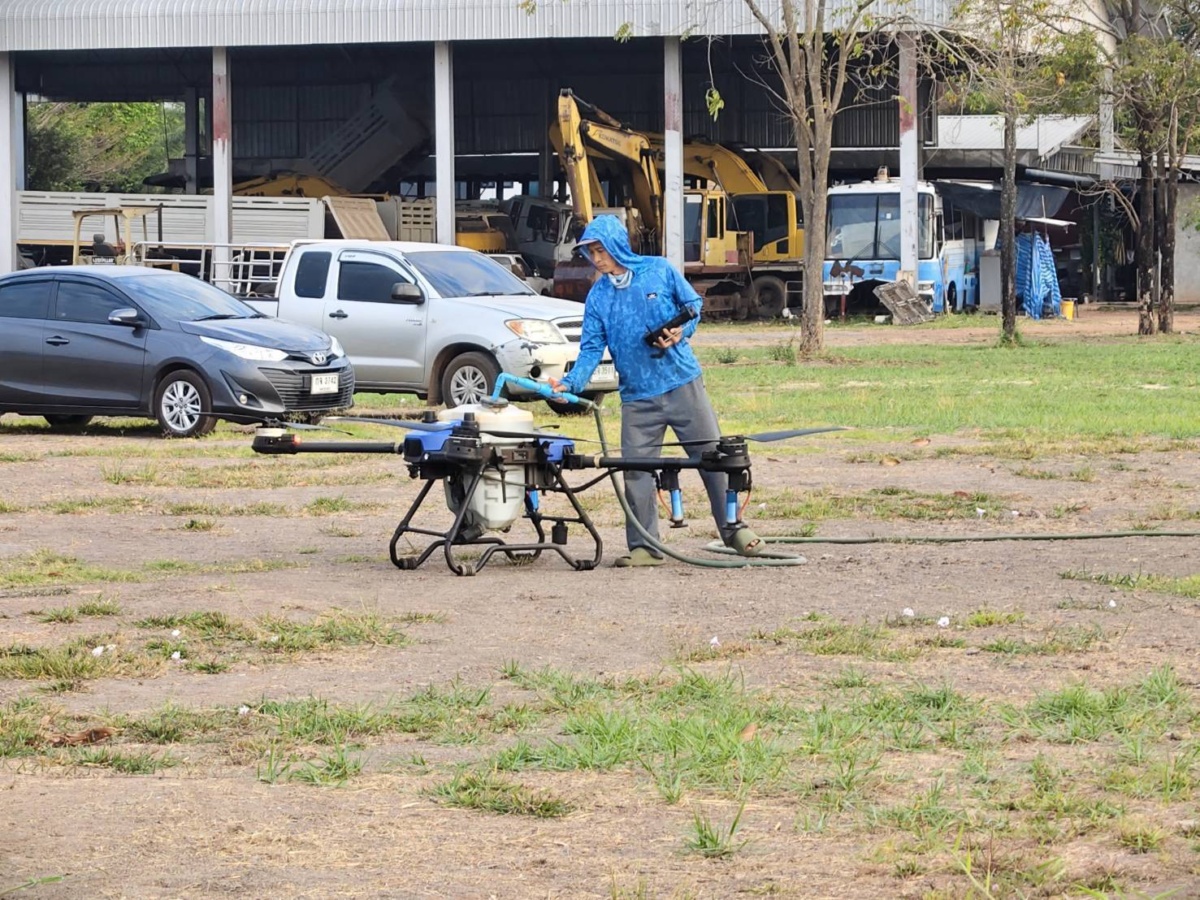
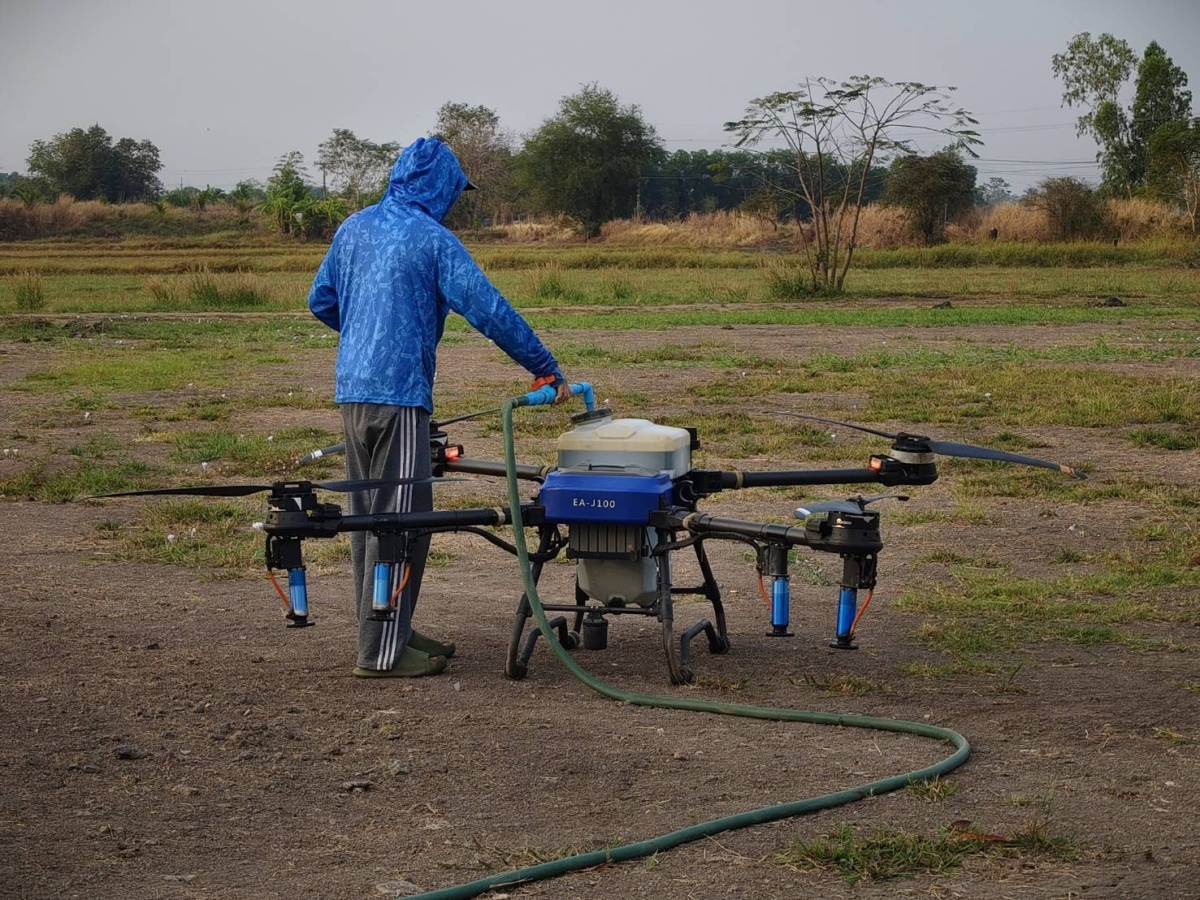
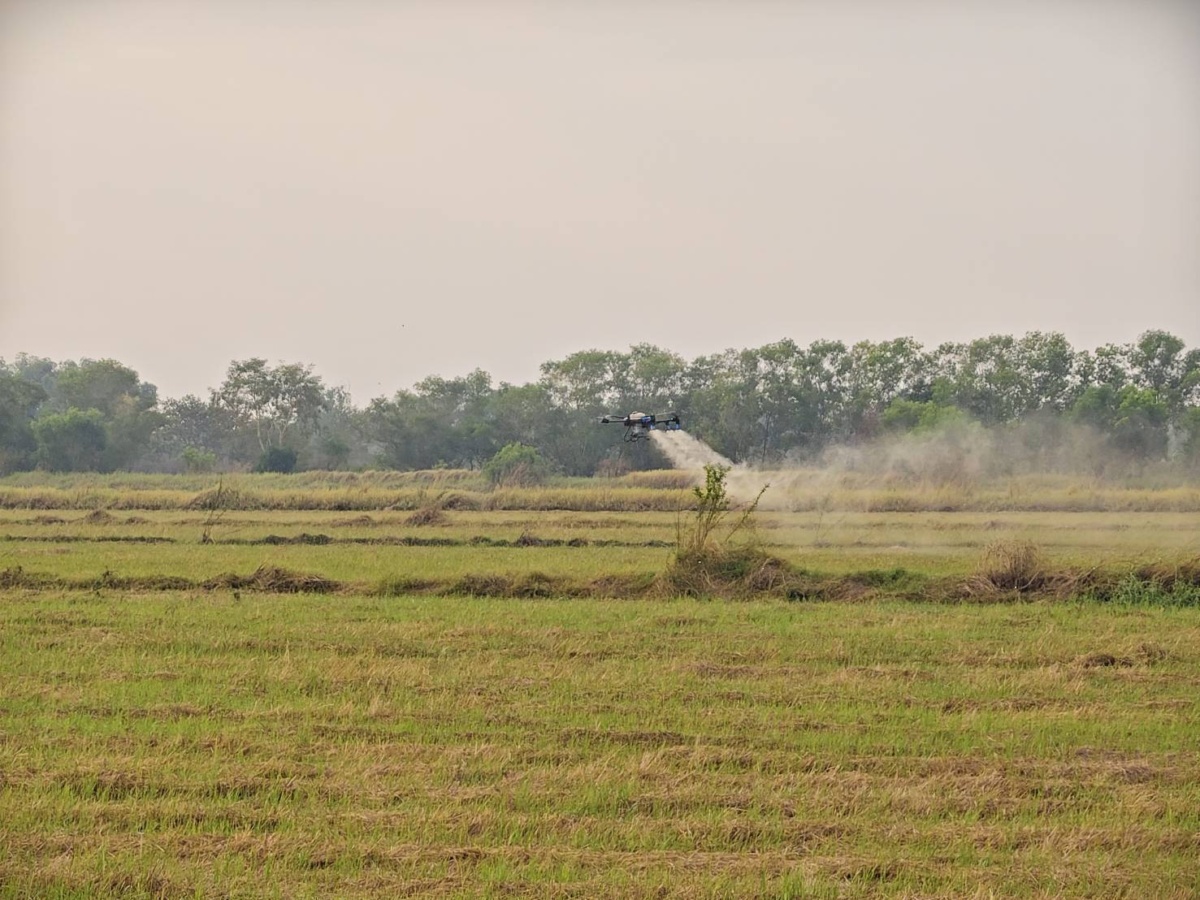
A key component of this new strategy is an innovative pilot project developed in collaboration with the Asian Development Bank (ADB). This initiative substitutes fire with microbial technology, employing drones to spray specialized microorganisms that decompose rice straw in just over three weeks. This approach is highly efficient, requiring minimal water use and aligning seamlessly with existing planting cycles to convert agricultural waste into nutrient-dense organic fertilizer. By integrating support from international organizations, the private sector, and soil scientists, the BMA aims to establish a sustainable and cost-effective model that reduces the financial burden on farmers while significantly improving urban air quality. Ultimately, this cross-regional collaboration seeks to ensure that the battle against PM2.5 employs technological advancements and mutual understanding as foundational principles rather than punitive restrictions.
#BangkokFightsDust #BangkokMetropolitanAdministration #BMA