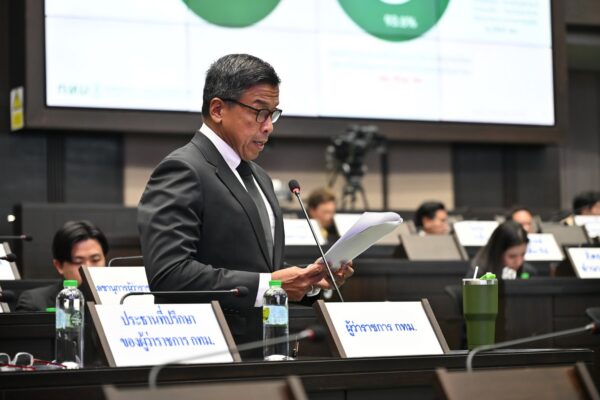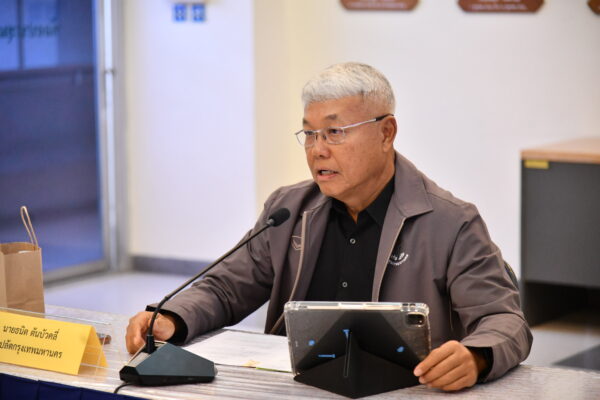

On January 12, 2026, Mr. Chadchart Sittipunt, the Governor of Bangkok, and Mr. Chanon Wasiksiri, the Governor of Nakhon Nayok Province, attended a meeting with representatives from the Asian Development Bank (ADB), the Social Innovation Foundation, and the German International Cooperation Agency (GIZ). The meeting took place in the Nopparat Room, Bangkok City Hall (Sao Chingcha), Phra Nakhon District. The purpose of the meeting was to discuss integrated and inter-provincial cooperation in managing PM2.5 particulate matter between the Bangkok Metropolitan Administration and Nakhon Nayok Province. This meeting was part of a working group focused on controlling and managing PM2.5 dust pollution resulting from agricultural burning.
Governor Chadchart has characterized this meeting as a significant advancement, underscoring the necessity of addressing the complex nature of the air pollution problem. He identified three primary contributors to this issue: stagnant air, biomass burning in Bangkok and neighboring areas, and emissions from vehicle exhaust. The discussions today are primarily centered on the concern of biomass burning. Historically, approximately 6,000 rai of land in Bangkok was subjected to burning; however, in 2025, this figure was reduced to 0 rai within the city confines. The Bangkok Metropolitan Administration (BMA) has successfully achieved complete control over rice paddy burning. Nonetheless, challenges persist concerning combustion activities in surrounding and peripheral provinces. The six provinces of particular focus include Pathum Thani, Nakhon Nayok, Prachin Buri, Chonburi, Chachoengsao, and Sa Kaeo.
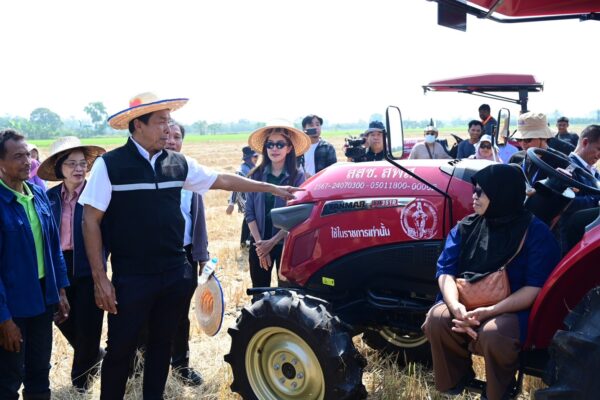
The BMA discussed with Nakhon Nayok to address the problem of rice stubble burning in low-lying areas, a major cause directly impacting PM2.5 levels in Bangkok, potentially causing them to reach red alert levels. Previously, the BMA has collaborated with the private sector and international organizations to tackle this issue. The introduction of microbial decomposition technology and the use of drones to assist farmers instead of burning have resulted in a reduction of hotspots and a significant improvement in air quality in Bangkok during the early part of the year.
The conclusion of this discussion focuses on reducing the financial burden on farmers by providing machinery and decomposition equipment, while intensifying coordination efforts with Nakhon Nayok province. This is particularly crucial during stagnant weather conditions, where a 5-day advance notice will be issued to enable provincial authorities to suspend local burning immediately. This proactive management approach will serve as a model to be expanded across the remaining five provinces.
In addition to inter-provincial cooperation, Governor Chadchart has integrated efforts with multiple ministries to eliminate dust at its source. These measures include strict monitoring of open burning by the Ministry of Interior, a four-fold increase in black smoke inspections in collaboration with the Ministry of Natural Resources and Environment, and stricter industrial emission standards imposed by the Ministry of Transport. Furthermore, the BMA is seeking cooperation from the private sector for “Work from Home” initiatives to reduce traffic-related emissions during periods of critical air quality.