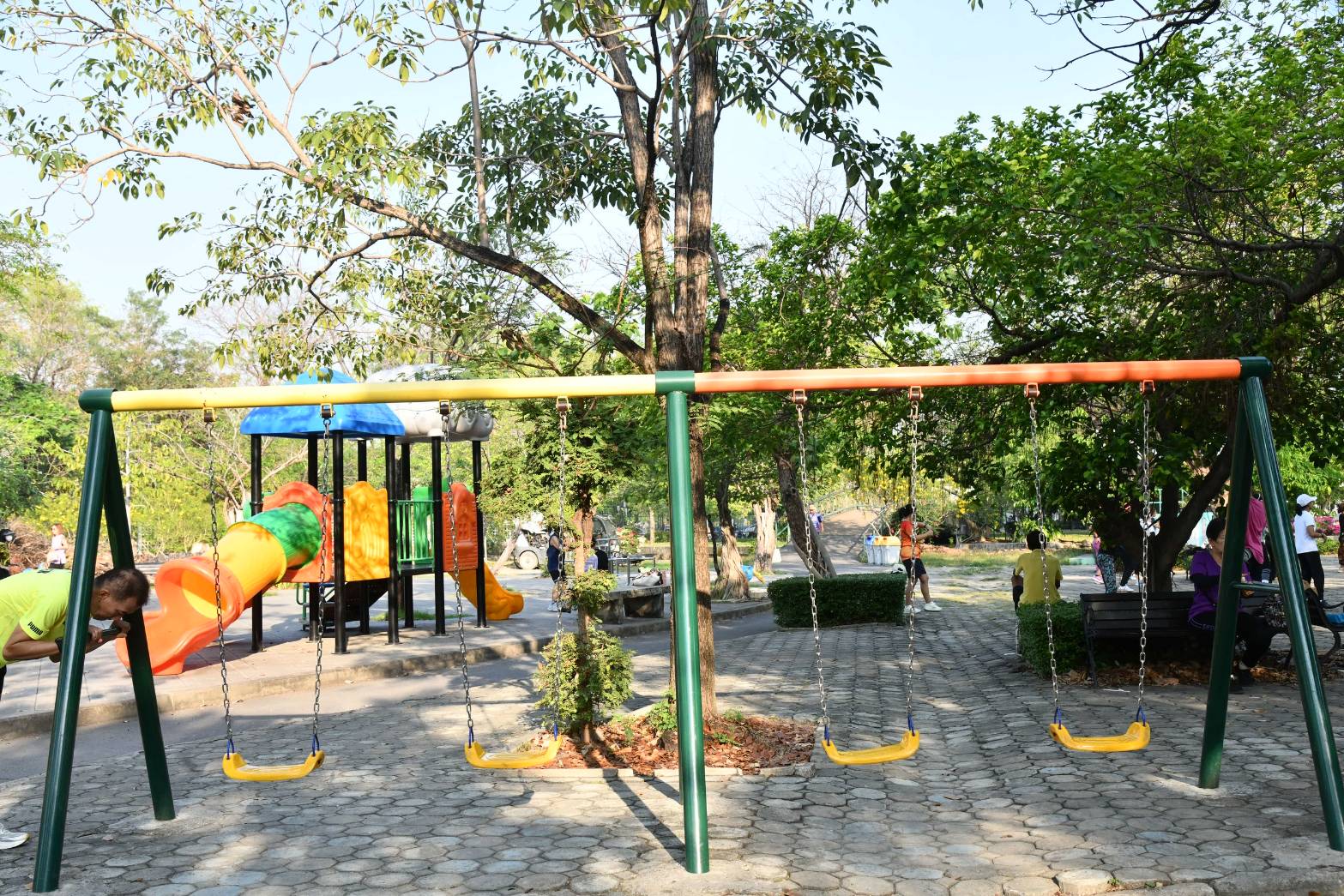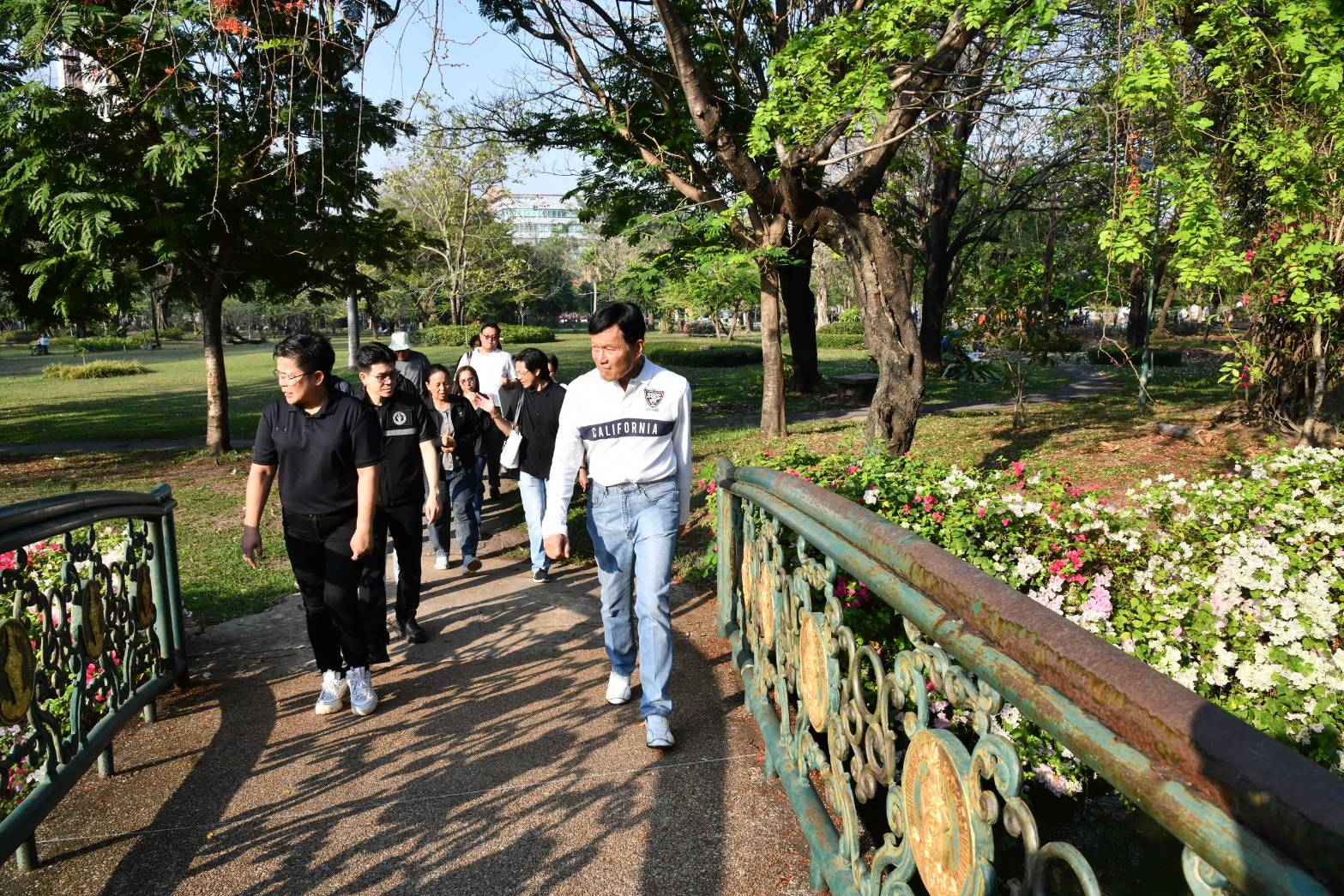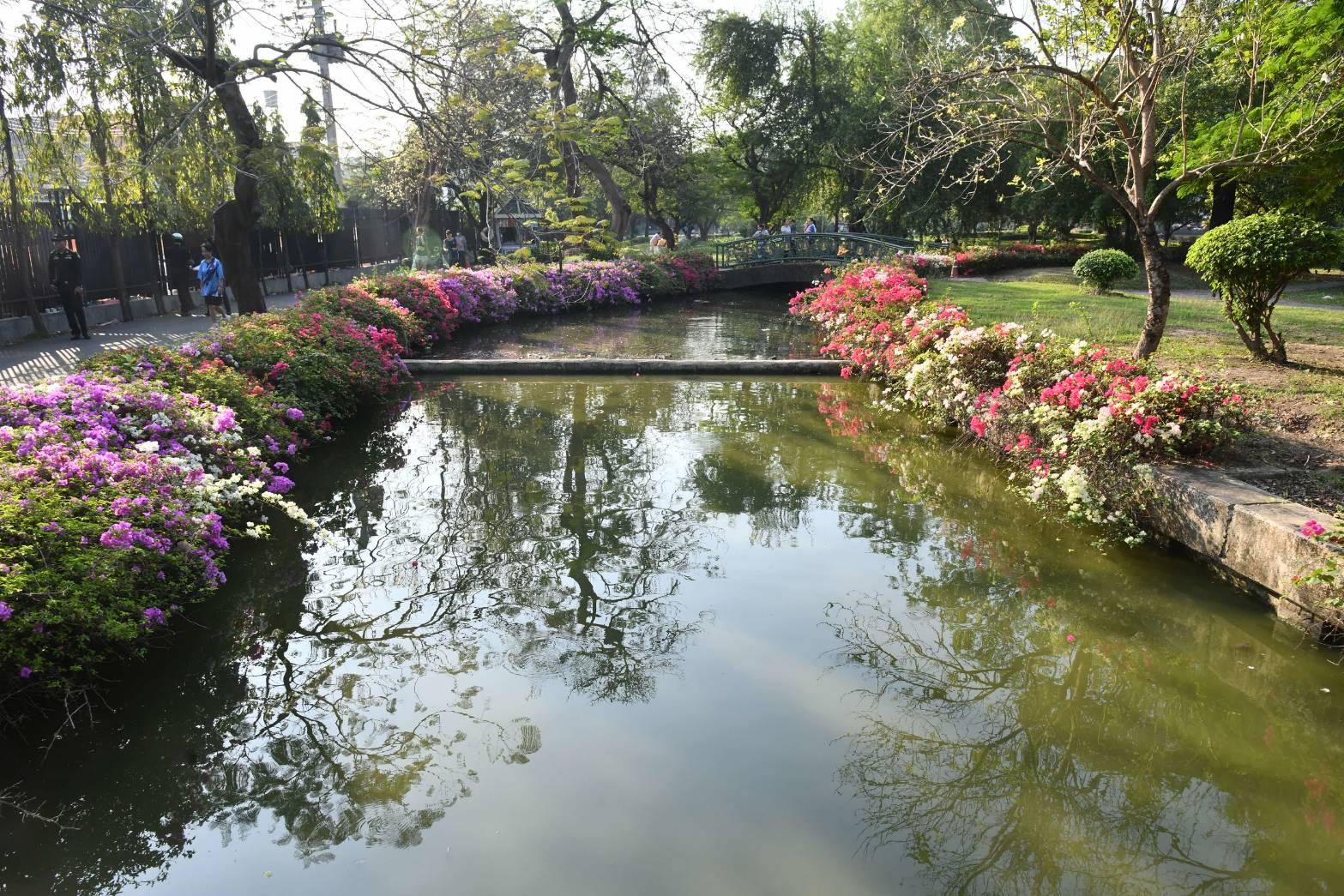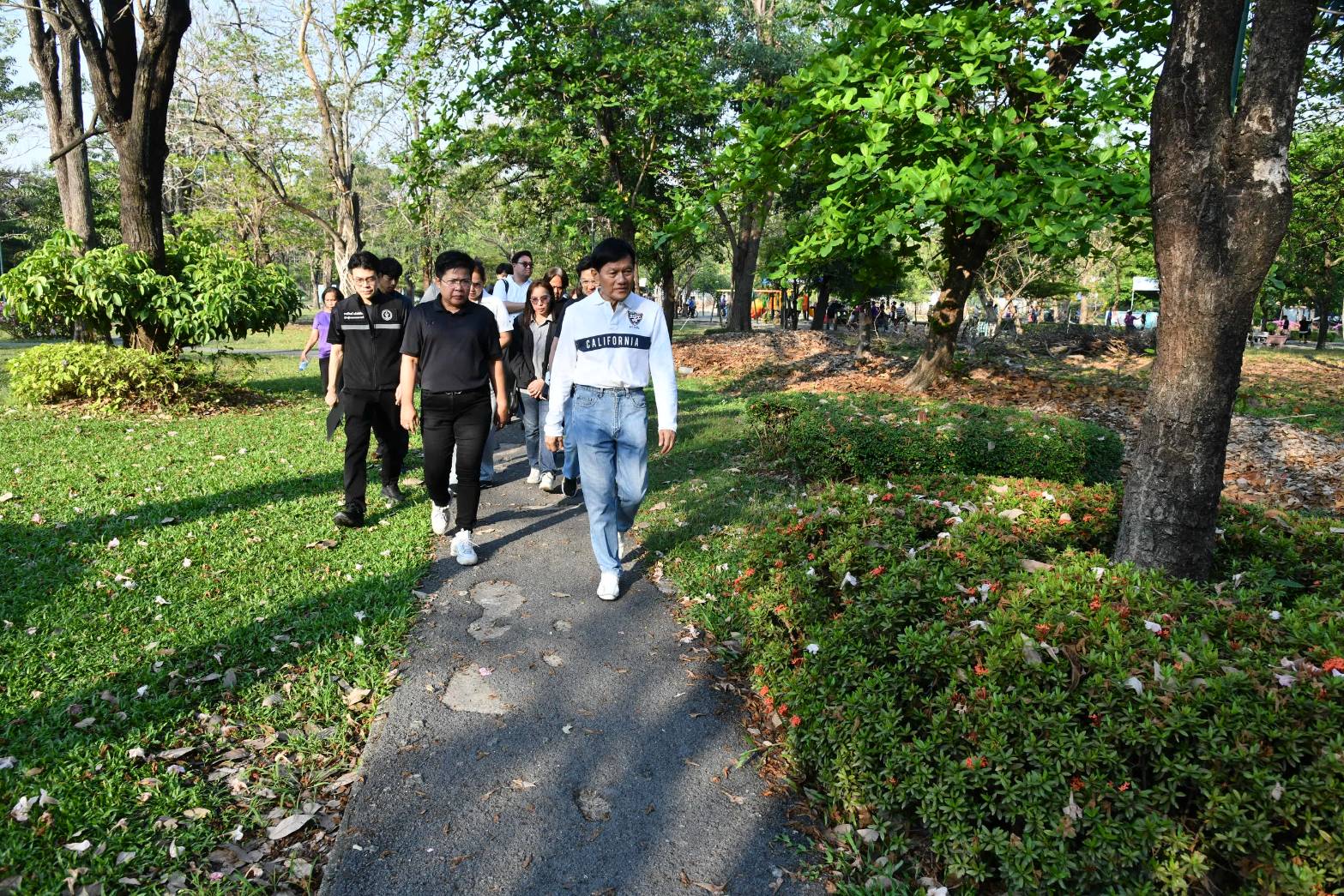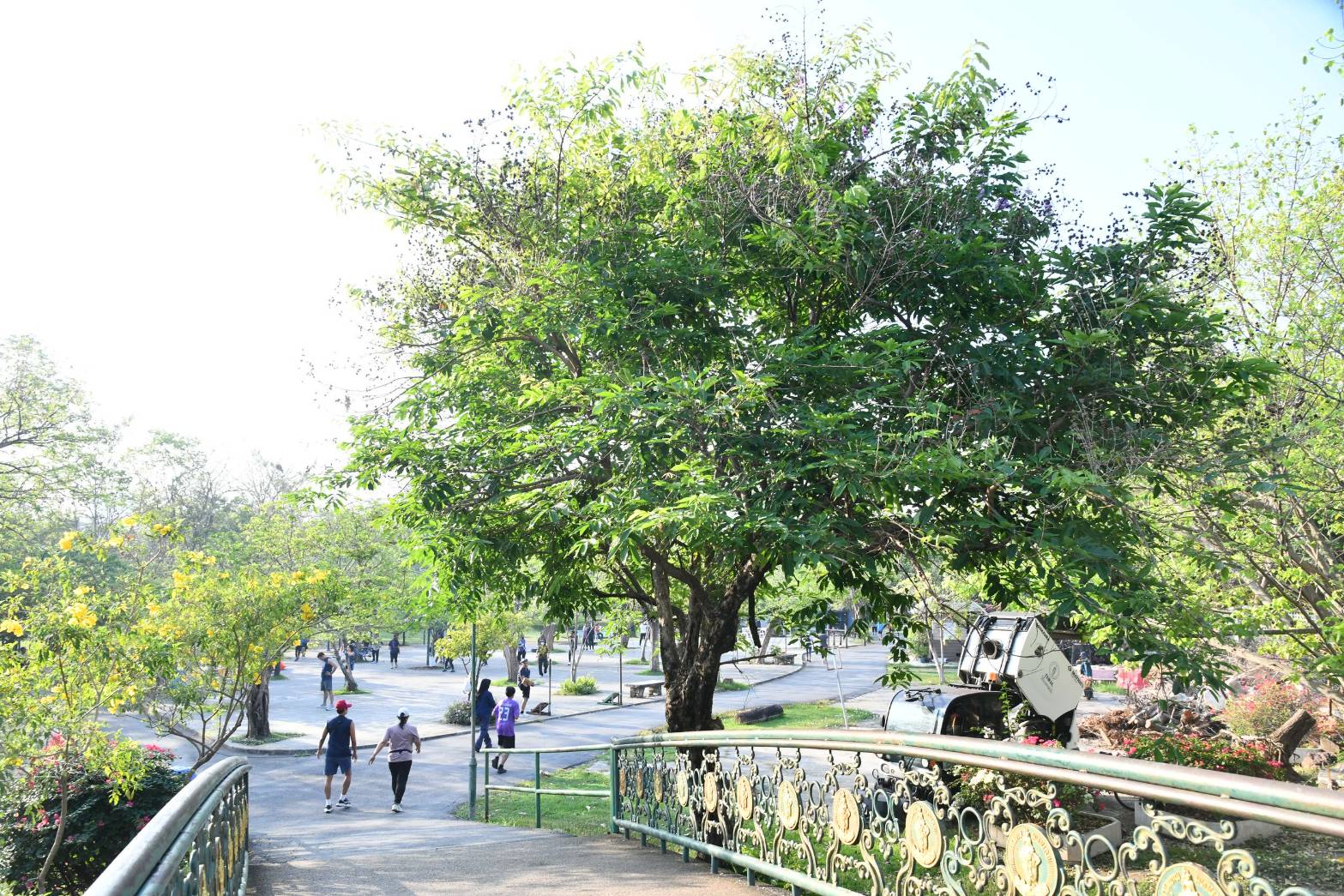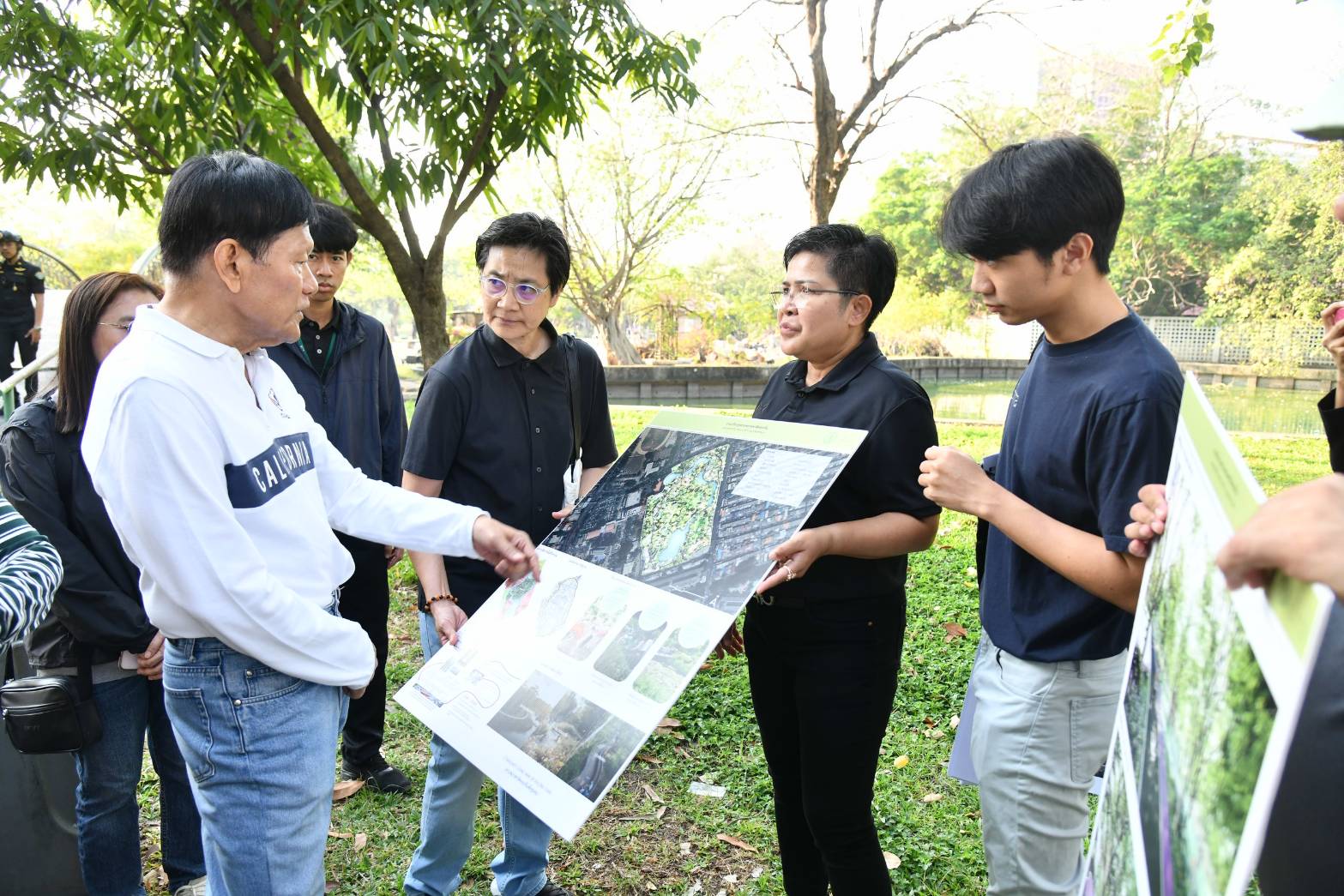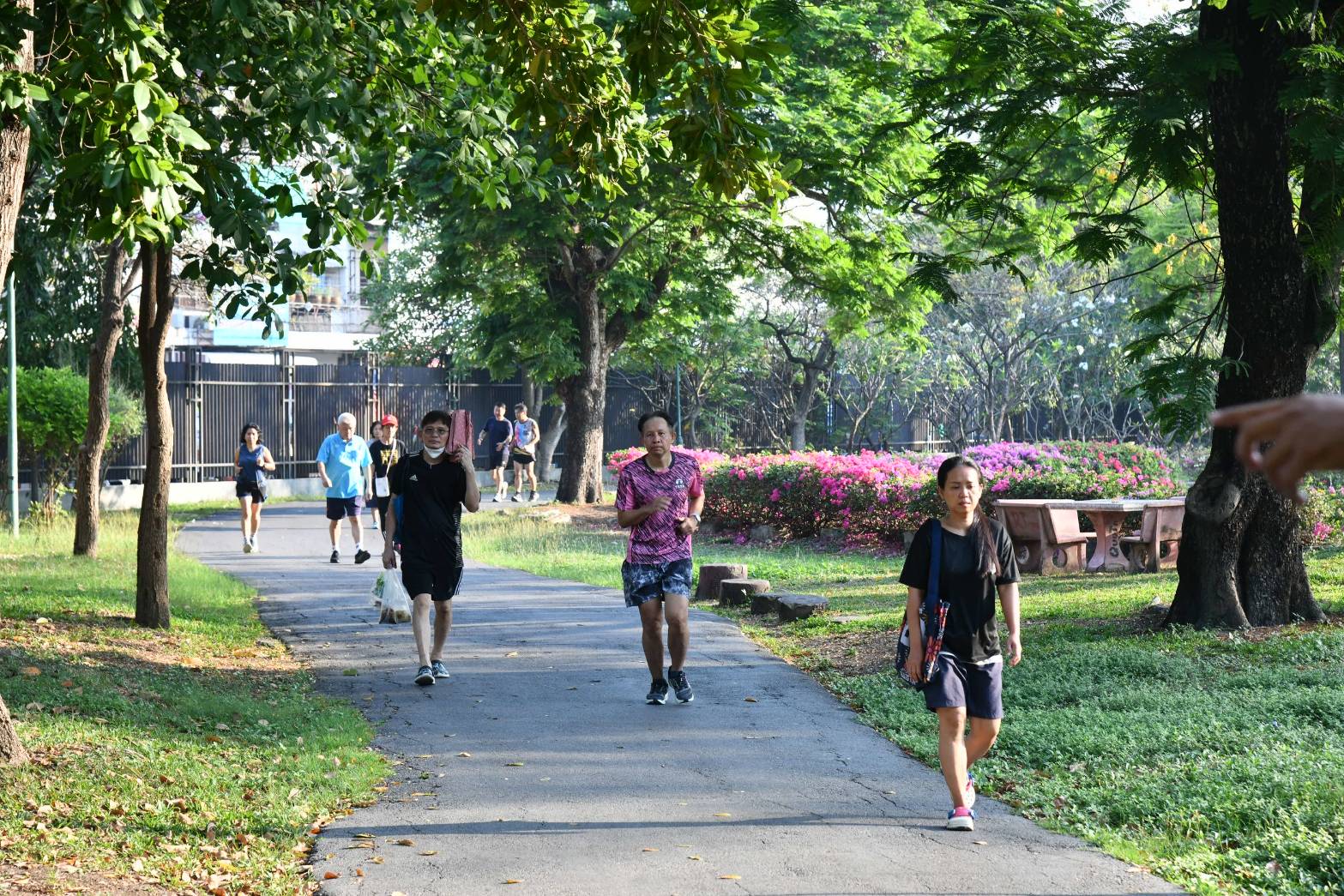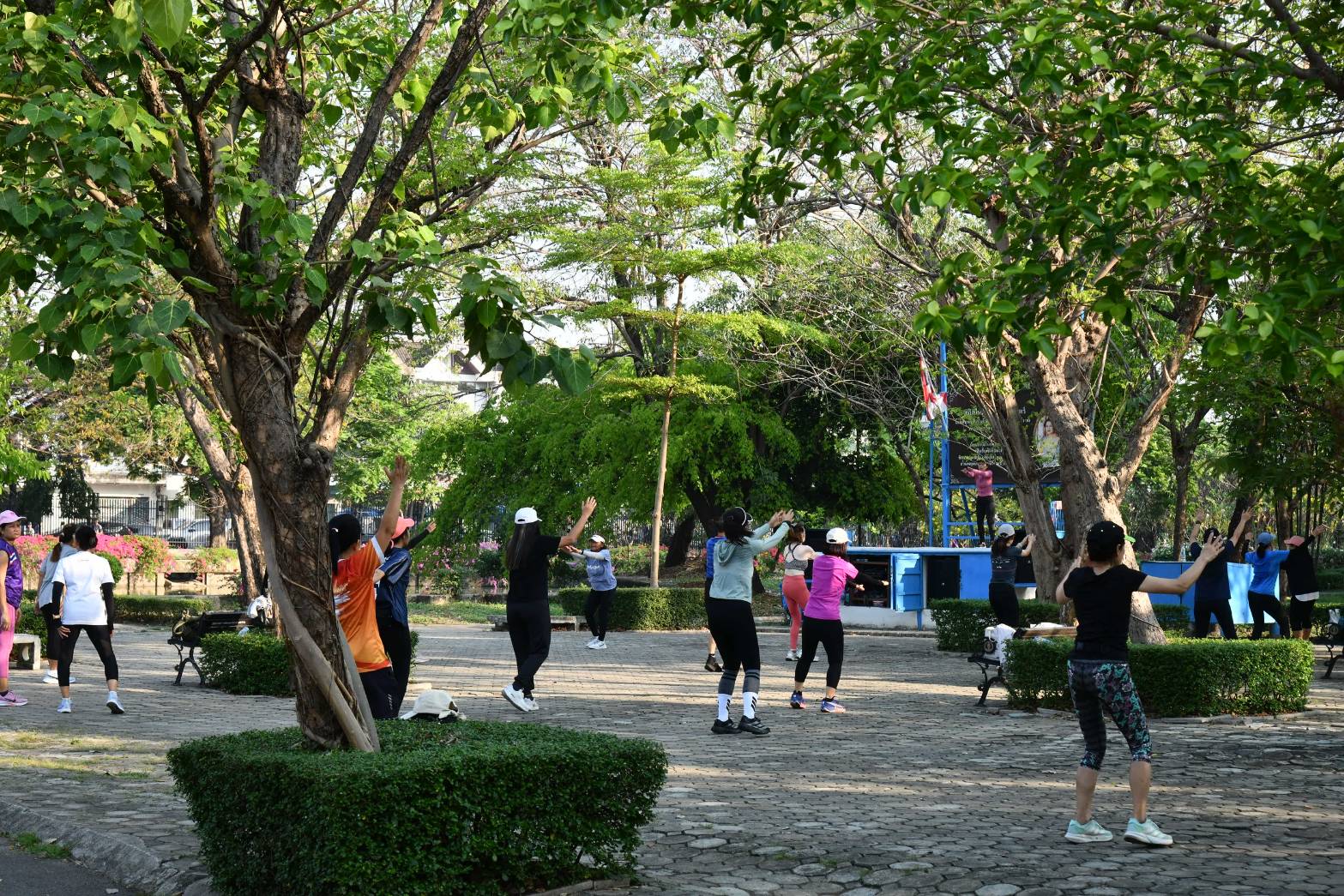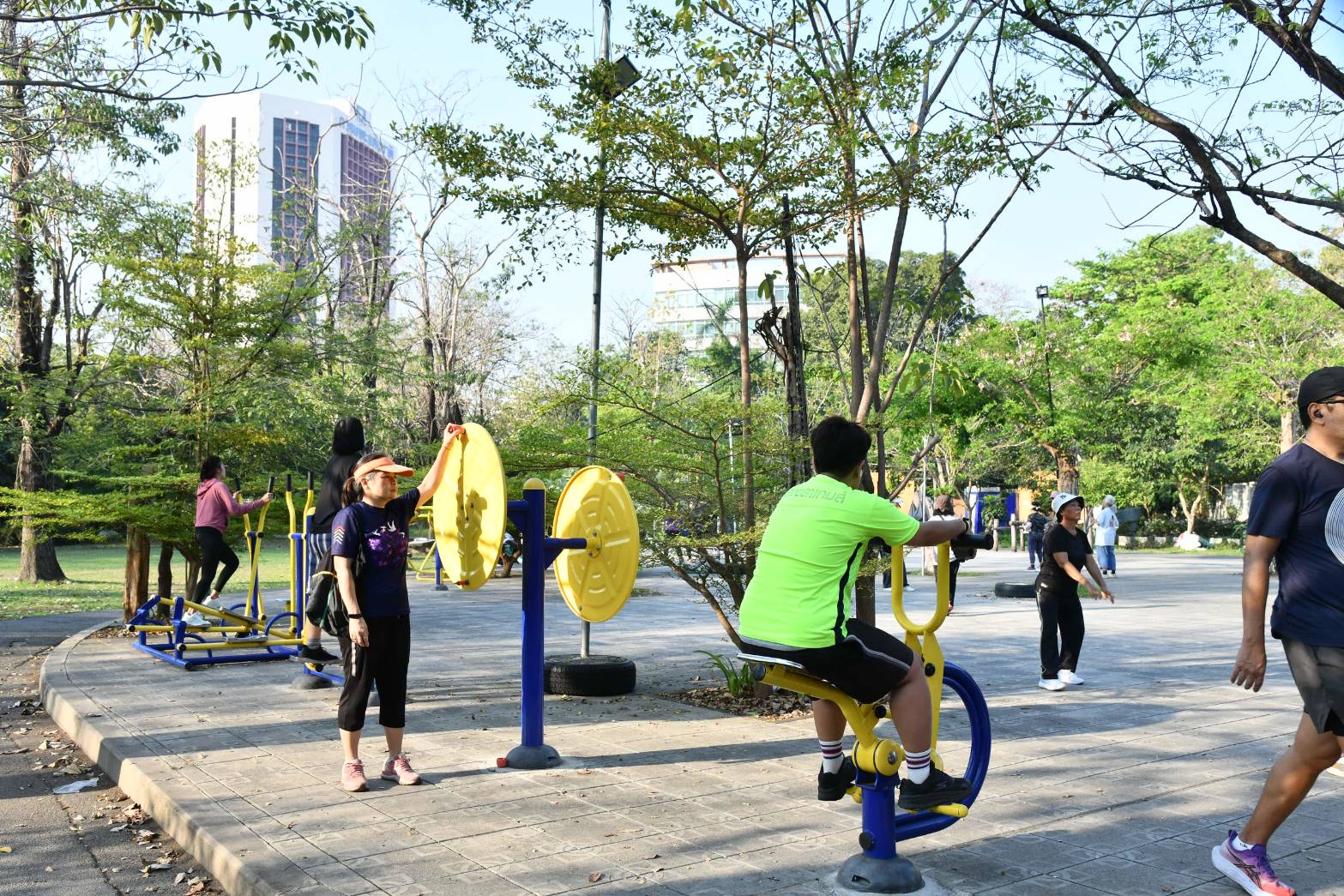
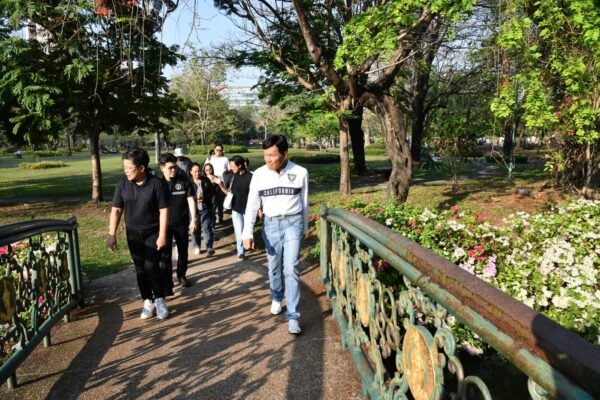
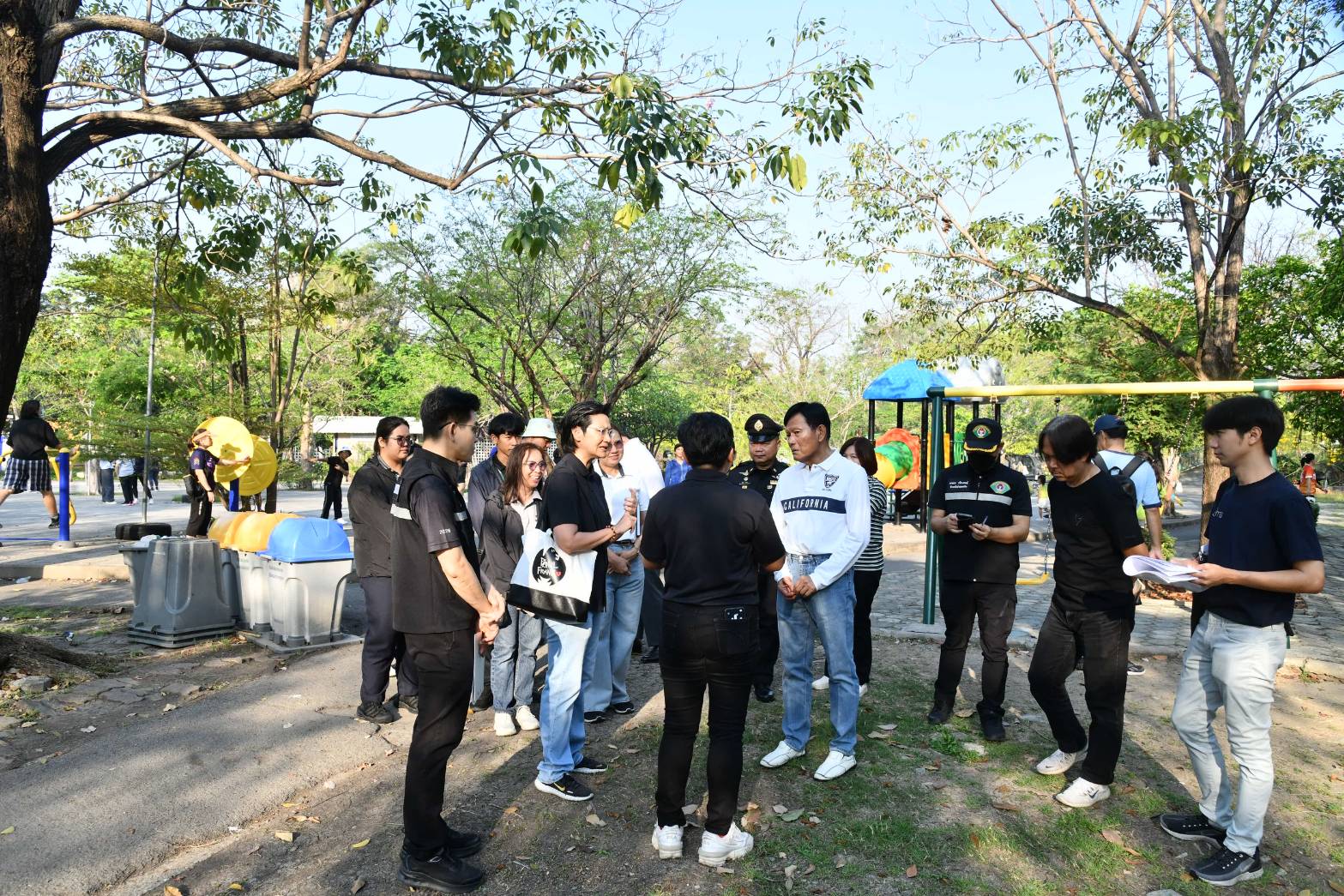
On February 21, 2026, Mr. Chakkaphan Phewngam, Deputy Governor of Bangkok, conducted a site inspection at the Khlong Chan Botanical Garden in Bang Kapi District to review an ambitious redevelopment project that aims to revitalize the area’s environmental and social landscape. Accompanied by executives from the BMA Environment Department and the Bang Kapi District Office, the Deputy Governor examined the progress of a systematic overhaul designed to transform the aging 34-rai park into a state-of-the-art community activity center. Currently, the garden, situated on land owned by the National Housing Authority, has fallen into a state of significant disrepair, limiting its usability for residents. To address this, the BMA is implementing a modern design concept that elevates the space into a safe, inclusive, and multifunctional green zone capable of accommodating citizens of all generations, from energetic youth to active seniors.
This renovation goes far beyond simple landscaping, as it reimagines the garden as a “community activity center” and a living “natural classroom.” The new layout is meticulously partitioned to support a diverse range of physical and social activities, including a standardized 800-meter walking and running track, designated zones for aerobics and fitness, and tranquil spaces for Tai Chi, yoga, and meditation. By creating shared areas for dancing and seasonal festivals, the design specifically encourages intergenerational interaction, aiming to foster stronger community relationships and social cohesion. Furthermore, the garden will serve as a vital educational hub for local flora and ecology. By curating a collection of diverse plant species, the BMA is providing a hands-on learning experience where children and community members can study the local ecosystem through direct observation and touch, ultimately instilling a deep-seated awareness of environmental conservation.
Central to the project’s technical design is the “Blue-Green” concept, which integrates sustainable water management with urban greenery. The garden is being engineered to function as a natural flood-control reservoir, capable of managing rainwater and floodwater while simultaneously improving water quality through natural filtration processes using aquatic plants. This approach allows urban residents to coexist with nature in a balanced and sustainable manner. Infrastructure improvements also include the development of wetland treatment areas, ecological forests, and nature trails, alongside the construction of four modern public restrooms, totaling 26 stalls, to ensure public convenience. During the visit, Deputy Governor Chakkaphan emphasized the importance of cost-effective budget allocation, instructing officials to finalize technical details for lighting and irrigation systems while ensuring that safety measures, such as clear informational signage and temporary closures, are strictly maintained during the renovation to minimize disruption for current park users.
#GoodEnvironment #GoodManagement